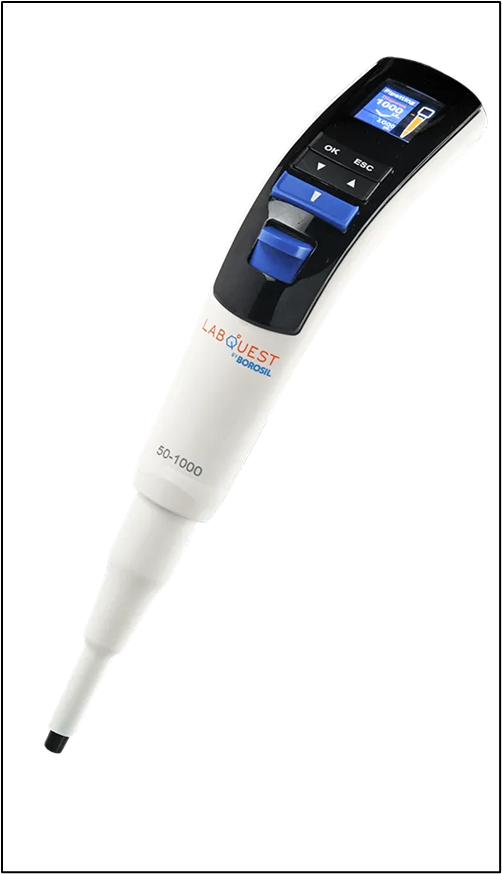

Micropipettes are indispensable tools in laboratories to maintain precise liquid handling across various scientific disciplines. Proper maintenance of this laboratory apparatus provides accuracy, reliability and longevity. Regular maintenance not only helps to achieve consistent results but also reduces the risks of expensive replacements and contamination. This is applicable to all scientific apparatuses, including laboratory glass bottles. This comprehensive post outlines some best practices for maintaining the micropipettes effectively so that they last longer.
Essential Guidelines for Maintaining Micropipettes for Longevity
Mentioned below are some important guidelines that, if followed which will make sure the micropipettes remain in good shape and function optimally for a long period.
- Daily Cleaning and Inspection
Regular cleaning provides consistent performance and helps prevent contamination. Here are some daily cleaning and inspection tips:
- External Cleaning – To remove residues and contaminants, wipe the exterior surface of the micropipette with 70% isopropanol or ethanol so that they don’t enter the interiors by any chance.
- Visual Inspection – Minutely check the shaft and the tip ejector for any signs of contamination or damage.
- Avoid Corrosive Agents – If the micropipette has metallic parts, refrain from using corrosive cleaning agents, such as bleach. If bleach is used by chance, follow up with 70% ethanol to prevent corrosion.
- Weekly Maintenance Checks
Following a thorough weekly maintenance routine helps to identify the wear and tear in the micropipettes early.
- Disassembly and Cleaning – Read the manufacturer’s instructions carefully and disassemble the pipette as per the guidelines. Clean each and every part of the apparatus with appropriate solvents.
- Inspect Seals and O-rings – In case there is wear and tear in the seals or O-rings, replace them at the earliest if necessary, to prevent leaks and maintain accuracy.
- Drying Components – Once the cleaning is complete, place all the components on a clean surface and let them air-dry completely.
- Regular Calibration
Regular calibration provides the precision and accuracy of the micropipettes over time.
- Calibration Frequency – Make sure that you calibrate pipettes at least once a year. For GLP and clinical laboratories, calibration is recommended every 3-6 months.
- Calibration Method – Use gravimetric analysis by dispensing distilled water into a vessel on a precision balance to verify volume accuracy.
- Professional Services – If required, consider using reputable calibration services to ensure compliance with the set standards.
- Avoiding Cross-Contamination
It is mandatory to prevent contamination to obtain reliable and accurate results in laboratory experiments.
- Colour-Coding – One of the best ways to limit cross-contamination is to use colour-coded pipettes for different applications.
- Disposable Tips – To prevent sample carryover, always use disposable tips and never reuse them.
- Filter Tips – For sensitive applications, consider using filter tips to prevent aerosols from contaminating the pipette.
- Proper Storage Practices
Storing micropipettes properly helps maintain their calibration and prevents damage to the apparatus as well.
- Upright Position – Ensure that you store the pipettes in an upright position, using racks or stands to prevent liquid from entering the shaft.
- Avoid Heat and Sunlight – Keep pipettes out of direct sunlight, away from heat sources, and at a safe distance from extreme temperatures to prevent material degradation.
- Set to Maximum Volume – When the micropipettes are not in use, set the manual pipettes to their maximum volume to relax the internal spring. This helps reduce wear and tear on the apparatus.
- Proper Handling Techniques
Handling the pipette is not as simple as it seems, as the apparatus is delicate and requires careful attention. Correct usage of the apparatus maintains pipette integrity and minimises wear and tear.
- Smooth Operation – Learn to depress and release the plunger using slow, smooth motions to prevent internal damage.
- Use Appropriate Tips – Always use the correct tips as recommended by the manufacturer to get proper sealing and accuracy. Premium suppliers like Borosil Scientific offer the most suitable advice for maintaining this.
- Avoid Over-Range Adjustments – Do not force and adjust the pipette beyond its specified volume range to prevent calibration issues.
- Routine Functional Tests
Routine and regular functional tests for micropipettes and laboratory glass bottles help in the early detection of performance issues.
- Accuracy and Precision Checks – It is essential to perform tests at both maximum and minimum volumes to calculate precision and accuracy, ensuring that they fall within acceptable limits.
- Pre-Wetting Tips – For piston-stroke pipettes, pre-wet the tip multiple times with the test liquid or solution to establish a moisture balance.
- Training and Documentation
To maintain consistency, it is essential to keep accurate records and provide clear education to users.
- Maintenance Logs – Maintain detailed records of cleaning, repairs, and calibration for each pipette and micropipette to track the performance of the apparatus over time.
- User Training – Users who use these apparatuses in the laboratory must receive comprehensive training on proper pipette use and maintenance.
Conclusion
Implementing the above-mentioned best practices in the laboratory routine helps in proper micropipette maintenance. This enhances the accuracy and efficiency of the scientific work or experiment being conducted. Proper maintenance also ensures the longevity and reliable performance of the micropipettes. Place your trust in premium laboratory equipment and apparatus suppliers like Borosil Scientific for the best quality lab materials and apparatuses.
About the Author