Ashoka the Great

India has a vast past, shaped by great kings and emperors who, at various times, ruled different parts of the country for thousands of years. These rulers played key roles in the expansion of their kingdoms, in developing admin structures, in promoting art and literature, and in the building of amazing monuments. We still study and tell the stories of these in 2026.
Chandragupta Maurya
Chandragupta Maurya, who in the 4th century BCE founded the Maurya Empire, also put together what was to be the largest of the ancient Indian empires. With the help of Chanakya, he set up a strong administration which in turn helped to bring many regions under Mauryan control.
Ashoka the Great
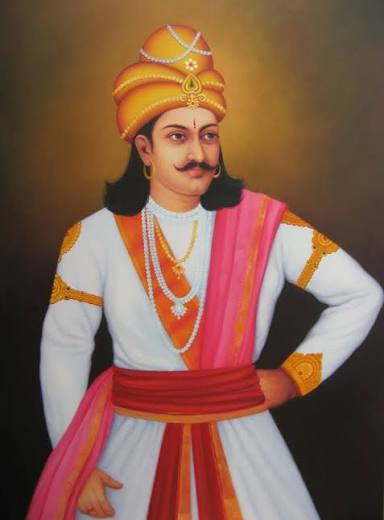
Ashoka was a great ruler of the Mauryan dynasty. After the Kalinga War, which was very destructive, he adopted Buddhism, which in turn made him focus on principles of peace, nonviolence, and good governance. Also, his rock and pillar edicts are very important historical sources.
Samudragupta
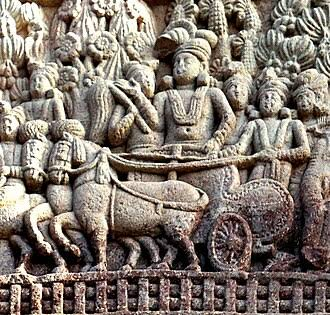
Samudragupta, a great Gupta ruler, is known for his military campaigns and political expansion. His reign saw the height of the Gupta Empire, which in turn saw great cultural and scholarly growth.
Chandragupta II
Chandragupta II, who is also known as Vikramaditya, did what the Guptas had not seen before: he expanded the empire and also encouraged culture. We see progress in literature, art, science, and architecture during his time.
Harshavardhana
Harshavardhana at one time ruled over most of northern India in the 7th century. He is known to have supported education, literature, and religious institutions, which in turn brought to his court a great many scholars and artists.
Raja Raja Chola I
Raja Raja Chola I turned the Chola Empire into a great power in the South. He improved the administration and navy, which in turn saw the rise of magnificent temple building, which includes the famous Brihadisvara Temple.
Rajendra Chola I
Rajendra Chola I expanded upon what was started by his father, Raja Raja Chola I. He took the military campaigns which had been begun by his father to new areas, which in turn expanded Chola power into parts of Southeast Asia and South India.
Prithviraj Chauhan
Prithviraj Chauhan was a great ruler of Ajmer and Delhi. He is known for his wars with Muhammad of Ghor and is an important person in Indian history.
Alauddin Khalji
Alauddin Khalji was a great ruler of the Delhi Sultanate. He expanded into new territories and also put in place many economic, military, and administrative measures to fortify his empire.
Krishnadevaraya
Krishnadevaraya which had the greatest rulers of the Vijayanagara Empire. During his time, the empire saw military growth as well as great progress in the fields of literature, architecture, trade, and culture.
Sher Shah Suri
Sher Shah Suri, who was in power in the north of India for a short time, put in place very important administrative changes. He improved upon the road and communication systems, tax collection, and currency, which in turn shaped future systems of government.
Akbar
Akbar was a very notable Mughal emperor. He expanded the empire greatly and put in place administrative measures which in turn strengthened Mughal rule. Also, during his time there was great growth in art, architecture, and cultural exchange.
Shah Jahan
Shah Jahan is known for his support of Mughal architecture. During his time, the Taj Mahal was built, which is to this day the most known structure in the world and also stands for the art that was produced in the Mughal time.
Aurangzeb
Aurangzeb ruled for the longest time out of all the Mughal emperors. Also, under his rule, the Mughal Empire saw great expansion, which mostly came about through the campaigns in the Deccan.
Chhatrapati Shivaji Maharaj
Chhatrapati Shivaji built the base of the Maratha state and put in place a very effective administrative and military structure. He is also known for his forts, naval forays, and regional governance.
Maharana Pratap
Maharana Pratap, who ruled Mewar, is known for his stand against Mughal expansion. His resolve to protect his territory has made him a lasting icon in Indian history and popular culture.
Maharaja Ranjit Singh
Maharaja Ranjit Singh founded and secured the Sikh Empire in the Punjab region. His reign saw political unity, military reorganization, and the rise of Lahore as a preeminent center of power.
Tipu Sultan
During the rule of Tipu Sultan, who fought against British expansion in the South Indian region, his name is brought up. Also, he introduced to the world new methods of administration and war.
Legacy of India’s Famous Rulers
The course of Indian history has been shaped by rulers of many dynasties and from various regions, which included the Mauryas, Guptas, Cholas, Delhi Sultanate, Mughals, Marathas, Sikhs, and Mysore. In different ways, each of these rulers played a role in the political, cultural, military, and architectural development of the subcontinent. Their achievements, conflicts, monuments, and administrative systems continue to make Indian history a very interesting field of study in 2026.
About the Author