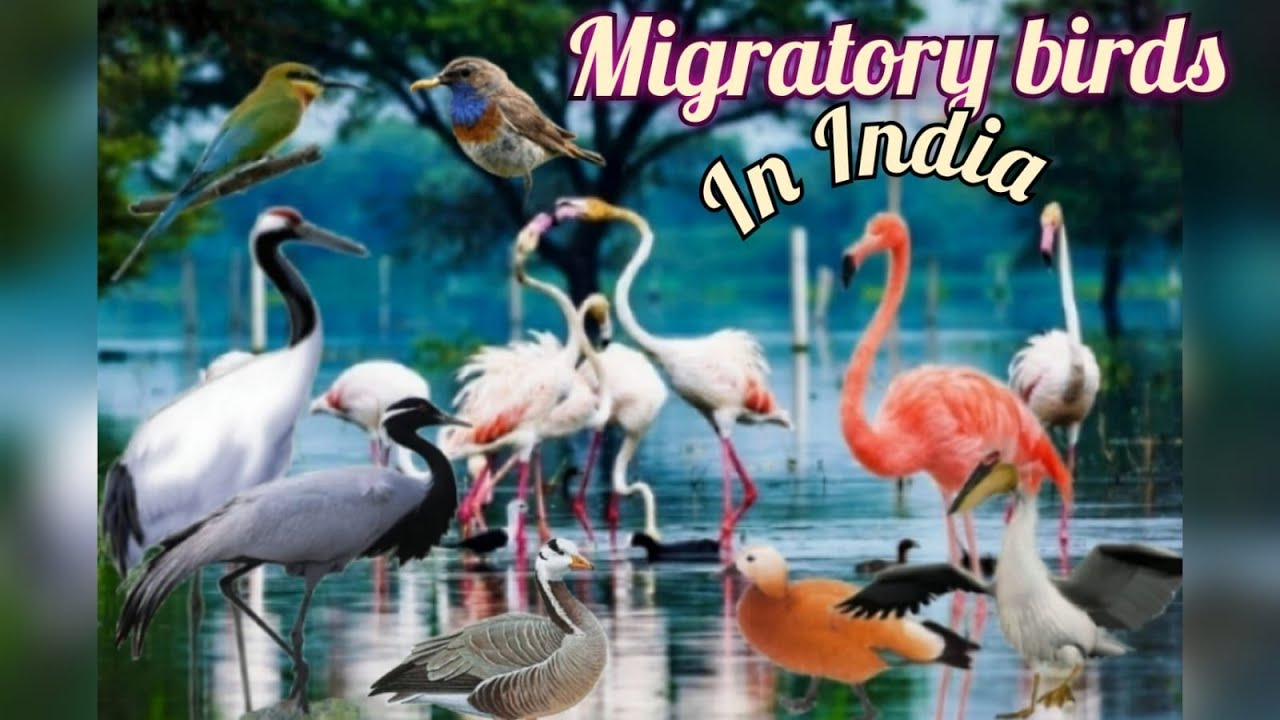

Every year, India becomes a temporary sanctuary for millions of birds that migrate over thousands of kilometres for favorable climate conditions, food, and breeding areas. These birds migrate through mountains, oceans, and even deserts from the cold Arctic climates to faraway European wetlands. The reason behind this is that India offers a vast range of geographies, including wetlands, forests, and coastal areas suitable for these winged animals.
Reasons for Birds’ Migration to India
The survival instinct makes birds migrate from their natural habitats during times when the environment poses threats to their existence. In harshly cold climatic zones like Siberia, Europe, and northern Asia, food becomes scarce during very long winters, and the weather can become extremely cold. Migratory birds can find refuge in countries with milder climates that also have rich ecosystems; for example, many birds migrate to India every year as an escape from harsh winters. Additionally, there is a large influx of migratory birds to India during the summer months to nest and to escape from the excessive heat found in their normal habitats.
Winter Migrating Birds
As the cold winter weather begins to descend upon the northern hemisphere, India becomes home to thousands of birds that migrate from their summer breeding grounds to the winter homes in lakes and marshes in India.
Siberian Cranes

Considered one of the most beautiful migratory birds, the Siberian Crane flies more than 4,000 miles to its winter nesting area; wetlands like Bharatpur are its most recent wintering sites. Significantly, the Siberian crane, which is now endangered, is further experiencing decreased populations as a result of habitat loss and climate change.
Greater Flamingos

These flamboyantly pink birds migrate from parts of Africa and other warmer areas to the Rann of Kutch, where they flock in large numbers to areas like Anda Bet Island to breed. Flamingo sightings and sounds will always leave one awed; however, due to various developmental activities and environmental problems, many flamingos’ natural nesting sites have disappeared, causing their appearance in this place every year to become unpredictable.
Northern Shoveler

A type of duck with a characteristic spoon-like beak, the Northern Shoveler migrates from Europe and Northern Asia. They thrive in India’s marshy and plentiful wetlands.
Black-tailed Godwit & Gadwall

Shallow wetlands and grasslands of North and Central India provide an excellent habitat for these birds, as they are insectivores.
Bluethroat & Spotted Redshank

Though small in size, these birds are intriguing as well. These birds migrate from Europe and Scandinavia. Bluethroats with their vibrant blue throats can be seen in Rajasthan, while Spotted Redshanks are common in marshlands in the north of India.
Summer Migratory Birds
When temperatures rise, another group of birds arrives in India, often for breeding or seasonal comfort.
Asian Koel

Famous for its melodious call, the Asian Koel migrates from Southeast Asia. It is known for its unique nesting behavior, often laying eggs in other birds’ nests.
Ecological Importance of Migratory Birds
Migratory birds are crucial for maintaining ecological balance. They help control insect populations, aid in seed dispersal, and contribute to the health of wetlands. Their presence also indicates the overall health of ecosystems, making them important indicators for environmental changes.
About the Author