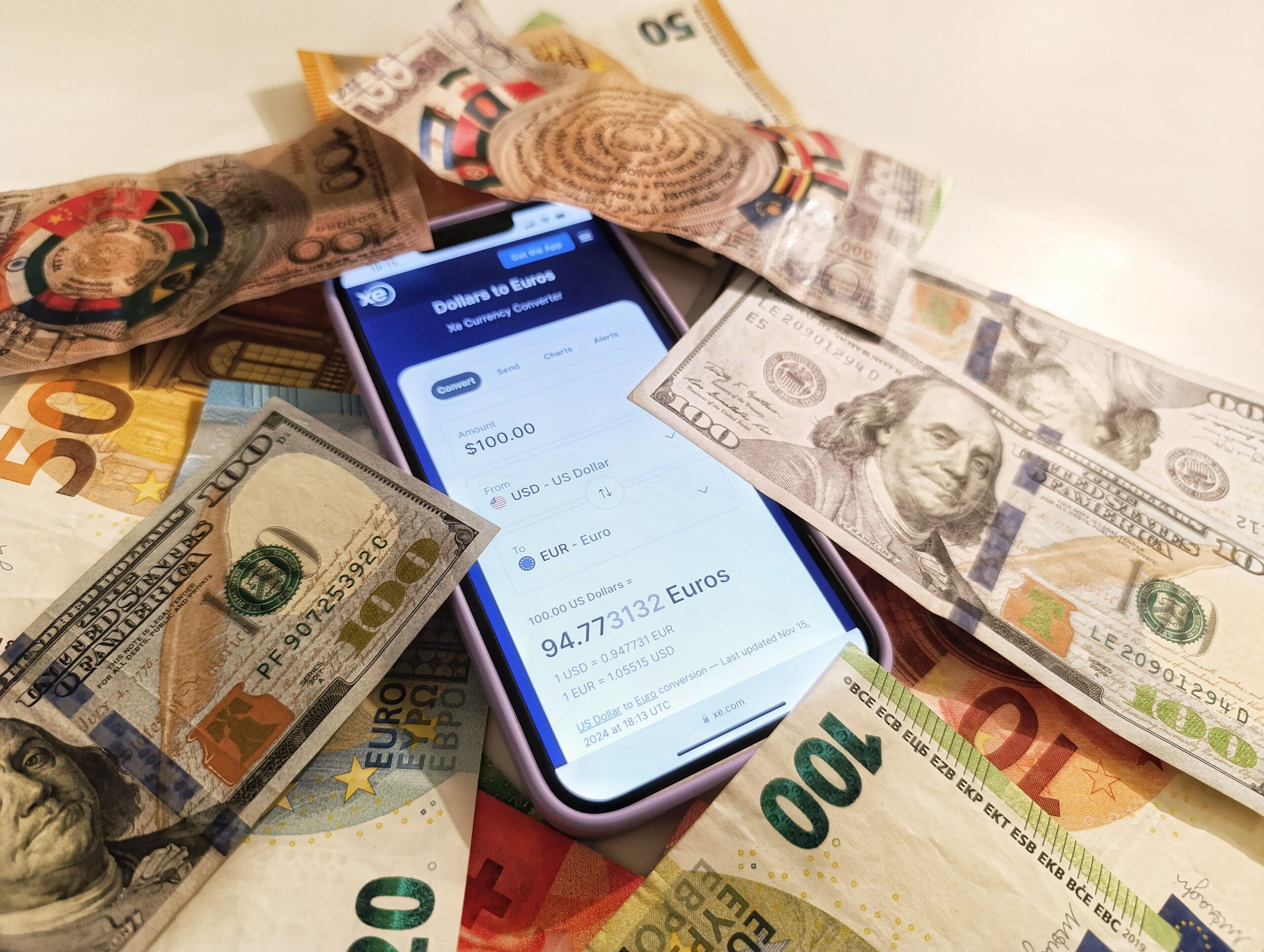

In cross-border remittances, precision in currency conversion has become a defining factor for financial clarity. When individuals choose to send money to Germany from India, the final value received is no longer just about the transfer amount; it is directly influenced by continuously shifting foreign exchange movements. Live exchange rate visibility has therefore emerged as a critical mechanism for improving transparency, reducing uncertainty, and enabling more informed financial decisions.
Unlike static pricing models that often embed hidden margins, real-time forex tracking introduces a dynamic structure where currency values reflect actual market conditions at the moment of transfer initiation. This shift has fundamentally changed how international money flows are evaluated and executed.
Market-Linked Exchange Structures and Transfer Accuracy
Foreign exchange markets operate through continuous price discovery influenced by:
- Global liquidity flows
- Macroeconomic indicators
- Interest rate expectations
- Geopolitical sentiment cycles
In such an environment, static or delayed rates create a structural gap between real market value and execution pricing.
Live exchange systems reduce this gap by aligning remittance values with real-time benchmarks. This ensures that individuals engaging in sending money to Germany from India transactions are not exposed to inflated retail spreads but instead receive pricing closer to institutional forex conditions.
Key outcome shifts:
- Reduced pricing distortion at the execution level
- Improved conversion efficiency for high-value transfers
- Better alignment with global forex liquidity conditions
Even marginal improvements in rate accuracy can significantly influence total remittance value over repeated transfers.
Structural Transparency in Cross-Border Currency Movement
Modern remittance ecosystems now extend transparency beyond visible fees into deeper structural components such as:
- Rate formation logic
- Execution timestamps
- Settlement pathways
- Margin visibility across conversion layers
Live exchange rate systems introduce a structural separation between actual forex value and service markup layers.
Resulting advantages:
- Reduced informational asymmetry
- Greater clarity in total transfer cost composition
- Improved predictability of final payout values
In corridors like sending money to Germany from India, this level of transparency enhances financial planning accuracy, especially for students, professionals, and families managing recurring transfers.
Institutional Shift Toward Real-Time Forex Integration
Digital remittance platforms have undergone a major infrastructure transformation by integrating:
- Real-time forex APIs connected to global liquidity pools
- Automated pricing refresh engines
- Smart routing systems for transaction execution
Structural changes enabled:
- Continuous rate updates instead of fixed daily pricing
- Reduced dependency on correspondent banking delays
- Faster reconciliation across banking networks
This shift allows remittance systems to behave more like financial market interfaces rather than static banking products.
As a result, users operate in a continuously responsive pricing ecosystem instead of end-of-cycle valuation models.
Behavioral Impact on Transfer Timing and Value Optimization
The availability of live exchange rates introduces a measurable behavioral shift in how transfers are planned and executed.
Emerging user behavior patterns:
- Monitoring intraday forex movements before execution
- Timing transfers during favorable micro-trends
- Using rate locks during stable volatility phases
- Delaying non-urgent transfers during macroeconomic events
In corridors like send money to Germany from India, EUR-INR volatility is frequently influenced by:
- ECB monetary policy announcements
- Eurozone inflation trends
- Global risk sentiment shifts
This creates an environment where timing becomes a financial optimization tool rather than a logistical decision.
Systemic Comparison of Pricing Architectures
The key differences are summarized in the table below for better clarity.
| Component | Traditional Banking Model | Live Exchange Rate Model |
| Rate Formation | Delayed + markup-based | Market-linked real-time |
| Transparency Layer | Partial visibility | Continuous exposure |
| Execution Efficiency | Batch processing cycles | Near-instant processing |
| Cost Predictability | Variable spreads | Narrow dynamic margins |
| Market Responsiveness | Low | High |
Liquidity Conditions and Currency Conversion Dynamics
Exchange rate behavior is structurally tied to liquidity depth within global forex markets.
INR–EUR movement drivers include:
- Trade balance fluctuations
- Foreign capital inflows and outflows
- Energy pricing cycles (especially crude oil)
- Central bank policy interventions
These macro variables generate short-term volatility cycles that directly influence remittance conversion outcomes.
Live exchange systems integrate these fluctuations into real-time pricing layers, ensuring that transactions reflect current liquidity conditions instead of historical averages.
Digital Remittance Infrastructure and Execution Efficiency
Modern forex platforms such as BookMyForex have restructured international money transfer systems through:
- Automated compliance verification engines
- Direct banking rails integration
- Real-time forex rate synchronization
Efficiency improvements:
- Reduced intermediary dependency in transfer chains
- Faster settlement cycles across banking networks
- Lower cost leakage due to fewer processing layers
Users executing send money to Germany from India transactions experience significantly improved turnaround times due to streamlined execution architecture and reduced manual intervention.
Risk Mitigation Through Real-Time Pricing Visibility
Currency volatility introduces a time-based execution risk between transaction initiation and settlement completion.
Live exchange rate systems mitigate this through:
- Pre-confirmation exposure to real-time pricing
- Reduced lag between decision and execution
- Alignment of transaction value with current market conditions
Risk-sensitive scenarios include:
- Central bank announcements
- Inflation data releases
- Geopolitical disruptions
This visibility is particularly important for recurring financial commitments such as tuition payments, family remittances, and overseas investments.
Ecosystem Efficiency and Cost Compression Dynamics
The introduction of real-time exchange rate systems has contributed to structural cost compression across the remittance ecosystem.
Key efficiency drivers:
- Reduced intermediary banking layers
- Lower spread-based pricing models
- Automated reconciliation and settlement routing
Over time, this leads to pricing convergence toward wholesale forex benchmarks.
For users who send money to Germany from India, the transaction becomes progressively more efficient due to reduced structural inefficiencies and improved market alignment.
Conclusion
Live exchange rate integration has redefined transparency standards in international remittances by aligning transaction values with real-time forex market conditions. This evolution strengthens financial predictability and reduces hidden cost structures in cross-border currency flows.
For individuals planning to send money to Germany from India, BookMyForex offers a structured digital remittance ecosystem where real-time exchange rates, transparent pricing, and regulated transfer channels work together seamlessly. It is a technology-driven, RBI-authorized forex platform designed to support fast and secure international money transfers. BookMyForex focuses on real-time rate integration, clear cost structures, and quick settlements, enabling efficient cross-border remittance experiences through advanced digital infrastructure and compliant banking partnerships.
About the Author