
To say that modern-day culture places greater importance on the attainment of independent wealth and economic success than on environmental concerns is not an overstatement. The unique biodiversity we humans enjoy is frequently overlooked in today’s busy, competitive world. Significant destruction to natural habitats (through deforestation, etc.) and the large-scale endangerment of wildlife are two of the results of the ever-increasing construction of manmade structures on the earth (to quote: “In the name of development.”)
While India continues to be known as a country with a tremendous amount of biodiversity (India can boast of over 400 species of mammals), it has also been estimated that approximately 25% of those species are currently threatened or endangered. Despite the success of various conservation programs, such as Project Tiger, we must use awareness of the challenges facing wildlife to motivate further action and accountability.
The Extinction of Wildlife as a Reminder of History
History has demonstrated to us that extinction is not some distant event in the future (it has occurred many times before). Numerous mammal species that were once found in areas of the Indian subcontinent have become extinct, primarily as a result of human activities.
Sivatherium – The Ancient Giant
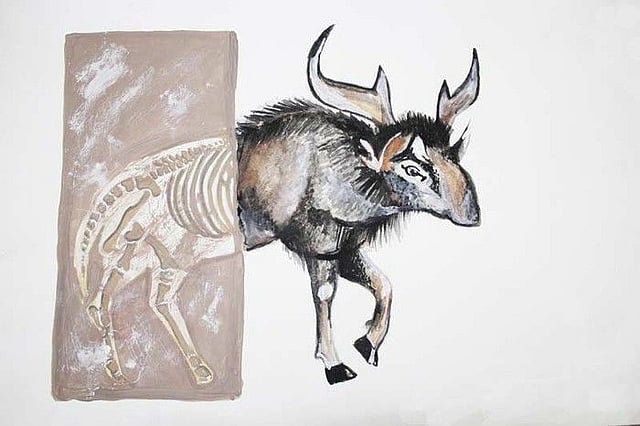
This prehistoric relative of the giraffe roamed India thousands of years ago. Known for its massive size and unique horn structure, the Sivatherium eventually disappeared, likely due to hunting by early humans and environmental changes.
Aurochs – Ancestors of Modern Cattle
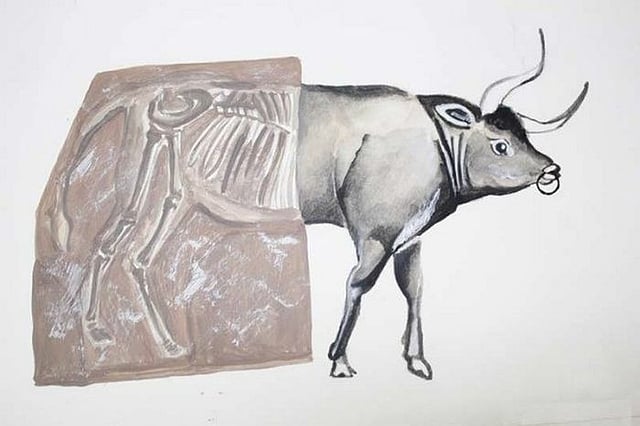
The Aurochs, once widespread across Europe and Asia, were large wild cattle that gradually declined because of overhunting, habitat loss, and domestication. The final member of the species became extinct during the 17th century, completing the demise of a species whose significance in agricultural history cannot be overstated.
Indian Javan Rhinoceros

Common in several Asian regions, this rhinoceros species has been wiped out from India owing to hunting and habitat destruction. Although possessing relatively insignificant horns, it became a target due to misconceptions regarding its medicinal value.
Sumatran Rhinoceros (Northern Population)
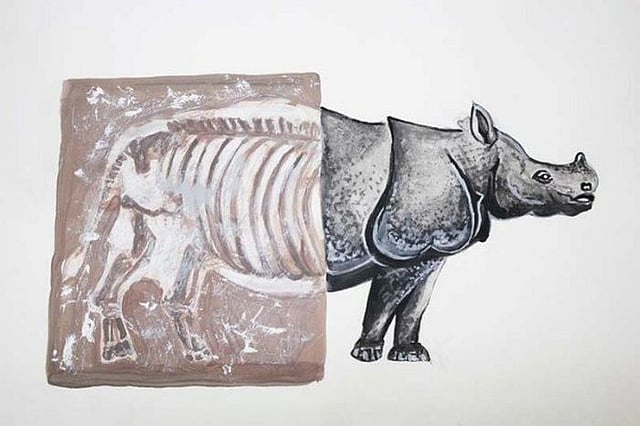
The smallest among all rhinoceros species and referred to as the “hairy rhino,” this species also experienced significant depletion in numbers. Hunting for horns, along with habitat destruction, resulted in its extinction from India, although a handful of animals could still exist in other regions.
Malabar Civet

An inhabitant of the Western Ghats region, this carnivorous mammal species is possibly extinct. Habitat destruction, along with exploitation for its secretions used in perfumes and traditional medicine, contributed significantly to its population depletion.
Himalayan Quail

Last seen in the 19th century, this elusive bird from Uttarakhand has not been recorded in over a century. While not officially declared extinct, it remains one of India’s most mysterious “lost” species.
Pink-Headed Duck

Once found in the Gangetic plains, this striking bird disappeared in the mid-20th century. Excessive hunting and wetland destruction are believed to be the main causes.
Colossochelys Atlas – The Giant Tortoise

This enormous prehistoric tortoise, weighing several tons, lived over 10,000 years ago. Though its extinction predates modern civilization, it highlights how even dominant species can vanish over time.
Moving Forward: Protecting What Remains
Despite these losses, there is still hope. Conservation programs have shown that with the right policies and public participation, species can recover. India’s growing tiger population is proof that dedicated efforts can make a difference.
About the Author