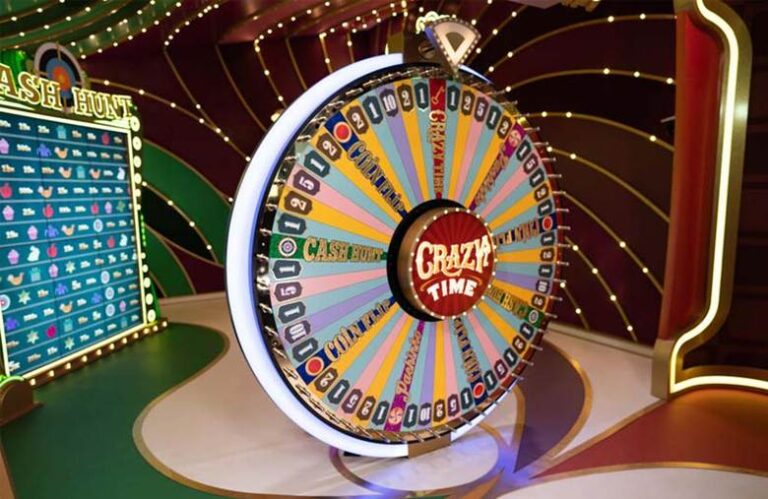
Roulette is an old game with a simple premise: place a chip, watch the wheel, wait for the ball. Today the table isn’t wood and brass anymore but it’s digital, hosted on chains as different as Ethereum, Binance Smart Chain (BSC), and Solana.
Each offers unique speed, costs, and fairness, and any top online casino website now lets players enjoy this variety without being locked to one network. With cross-chain roulette, you can spin on Solana for instant play, manage low-cost bets on BSC, and settle high-stakes outcomes securely on Ethereum.
What matters is how each chain handles three essentials: speed, fees, and randomness. Instead of dull technical lists, imagine three casino floors: Ethereum’s conservative hall, BSC’s retail arena, and Solana’s speed table reshaping roulette through verifiable code and cross-chain chips.
Ethereum: Slow Hands, Deep Pockets
Ethereum still sets the tone for decentralized gaming. The network averages ~12-second block times and has finality that stretches into the minutes.
That sounds glacial for a casino game, but the trade-off is predictability and a massive stack of developer tools. Most provably fair roulette implementations still anchor themselves on Ethereum contracts, even if the visible “spin” happens elsewhere.
Ethereum at a glance:
| Feature | Ethereum Today | Why Roulette Builders Care |
| Block time | ~12s | Determines when state changes are visible |
| Finality | 12–15 minutes typical; research toward 36s | Jackpots need patience before they’re irreversible |
| Average fee | Often under $1, depending on congestion | Cheap enough for bets, expensive for constant spins |
| Randomness | Chainlink VRF v2.5 standard | Proofs verified on-chain before paying out |
| Wallets | MetaMask, Rabby, Phantom (EVM) | Broadest support, easy KYC overlays |
Beyond these stats, there are a few practical reasons why roulette operators keep turning back to Ethereum despite its deliberate pace. They go beyond just fees and block times, shaping how the game feels both for developers and players.
- Auditability: Ethereum’s history and tooling allow regulators and independent firms to trace every spin and payout.
- Ecosystem depth: From Chainlink to wallets, the supporting infrastructure is broader than any rival.
- Liquidity gravity: High-value bankrolls and tokens usually sit on Ethereum first, then flow outward.
These qualities mean Ethereum is not just a settlement layer but also a trust anchor for the entire cross-chain roulette ecosystem. That’s why many projects run the UX layer elsewhere (say, BSC or Solana) and only settle the result on Ethereum through cross-chain messaging protocols such as Wormhole or LayerZero.
For players, Ethereum roulette feels like playing at a high-stakes table in a traditional casino: fewer spins per hour, but greater confidence that what happens at the table will stick.
BSC: The Retail Floor With Fast Chips
Where Ethereum is the grand casino with marble floors, BNB Smart Chain is the bustling retail hall where thousands of low-cost bets happen by the second. Its design: Proof of Staked Authority with ~3-second block times, favors speed and affordability.
Average fees hover around a few cents to under thirty cents per transaction, making it a natural home for rapid-fire roulette games and micro-bets.
Checklist for BSC roulette players and developers:
- Block speed: ~3s blocks; spins confirm quickly.
- Fees: Generally below $0.30 per bet.
- Randomness: Chainlink VRF available on EVM; proofs settle before payouts.
- Finality claims: “Fast finality” within two blocks, but operational rather than absolute.
- Interop tools: Wormhole, LayerZero, Axelar commonly used to sync results with Ethereum.
The advantage is clear: BSC gives a UX that feels immediate, without burning a hole in your pocket. But the rulebook has fine print. Academic papers (including one at USENIX Security) showed that BSC’s fast-finality gadget can be attacked under rare conditions, stalling consensus.
It’s not catastrophic, but it means a roulette dApp must code fallbacks, like delaying large withdrawals until a few extra blocks have passed or reconciling jackpots back to Ethereum.
Better said, BSC is ideal for volume play, but smart developers handle it like a food court: perfect for quick service, but you wouldn’t store your family jewels there. The best implementations keep the spins and user interaction on BSC, but escalate final settlements or large jackpots to Ethereum through a secure cross-chain bridge.
Solana: The Blink-and-You-Miss Floor
Solana is the opposite extreme: the wheel barely spins before it stops. Blocks land every ~400ms, fees cost fractions of a cent, and the network is testing Alpenglow, an upgrade aiming for ~150ms deterministic finality. For players, it means roulette that feels almost physical—fast, cheap, and nonstop.
Three traits explain why Solana powers high-tempo games, including roulette rooms at crypto casinos as Gullybet:
- Ultra-low fees: Betting costs are measured in fractions of a cent, so microbets become viable.
- Near-instant blocks: Spins can resolve in less than a second, keeping the pace exciting.
- Scaling focus: Solana’s roadmap emphasizes throughput and deterministic finality, reducing bottlenecks.
These traits create a gaming environment that feels more like a real casino floor than a blockchain ledger.
They also explain why Solana is a favorite for experimental, social, or gamified versions of roulette. Yet speed alone doesn’t guarantee fairness, which is why randomness and security practices matter just as much. With that context, here’s how Solana looks on paper:
Metric Current Figure Context
| Slot cadence | ~400ms | Feels near-real time, though finality varies |
| Base fee | 5,000 lamports (~fractions of a cent) | Near-zero friction for microbets |
| Observed block time | ~0.4s; finality can be a few seconds | Still faster than EVM norms |
| Upgrade track | “Alpenglow” aiming at ~150ms deterministic finality | In governance as of Aug 2025 |
| Randomness | Switchboard VRF widely used | Same model as Chainlink: request → wait → verify |
Fast doesn’t mean careless. Solana games must use verifiable randomness—Switchboard proofs are standard, because in-transaction randomness can be exploited. Phantom and Solflare dominate wallets, and Phantom’s multichain mode makes hopping between Solana and Ethereum seamless.
In practice, Solana roulette feels like a buzzing social floor: rapid spins, endless microbets, and constant energy. Yet high-value wins often still settle on Ethereum for credibility, keeping both speed and trust in balance.
Conclusion
Cross-chain roulette proves you can reinvent a 200-year-old game by simply scattering it across blockchains. Ethereum gives you the patience test, BSC hands you discount spins, and Solana makes the ball land before you even blink.
No matter how fast, cheap, or provably fair it gets, you’re still waiting on red or black, because the luck doesn’t really care about your blockchain preferences.
About the Author