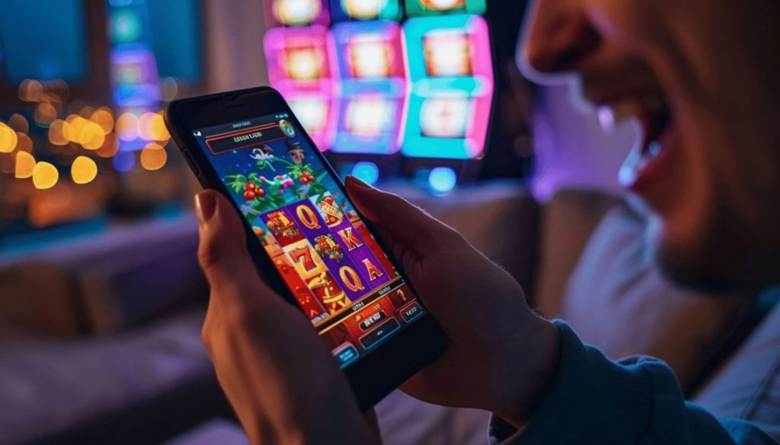
You sit. The screen flashes. The reels whirl. The button pulses like a heartbeat, and you feel it: the magnetic pull of just one more spin. But what if the real trick isn’t pressing faster — it’s slowing down? In a world where speed equals profit (for the house), slow play is the quiet rebellion.
This isn’t a beginner’s guide, nor a gambler’s confession. It’s a study in restraint, a meditation on pacing, and perhaps, just perhaps, a key to surviving the bright-lit jungle of the slot floor longer than the machines ever intended.
Pro players suggest playing at RajBet casino, known for their slick interface and fast spins, can be approached with patience. Let’s take it apart — not by shoving in more coins, but by pulling back.
Time is a Weapon — Use It
Casino designers know: speed kills bankrolls. Faster spins = more losses/hour. But what happens when you break the rhythm?
| Fast Play | Slow Play |
| 500+ spins/hour | 150–200 spins/hour |
| $250–$500/hour losses (avg, $1/spin, 95% RTP) | $75–$150/hour losses (same conditions) |
| Dopamine surges, crash cycles | Lower arousal, steadier engagement |
| Shorter sessions, higher machine ROI | Longer sessions, lower per-minute losses |
This isn’t about being clever with machines — it’s about escaping their design trap. Machines want you hypnotized, reflexive, disconnected. Slow play puts consciousness back in the loop. One spin. Breathe. One spin. Stretch. One spin. Check the room. It’s not “wasting time”; it’s reclaiming time.
Unsurprisingly, studies in behavioral psychology (yes, we’re going academic here) show that interrupting automatic loops reduces risky decision-making. Slow spin rates are not superstition; they’re science-backed survival.
A 2012 study by Ladouceur and Sévigny titled Electronic Gambling Machines: Influence of a Clock, a Timer, or a Pre-commitment on Gambling Behavior tested players on slot machines with and without breaks.
They found that players using timers or enforced pauses showed reduced spending and fewer risky bets, compared to those playing continuously. This suggests that deliberately slowing the pace can protect players from falling into automatic, loss-heavy loops.
In short: the clock is your weapon — wield it.
Breathing Techniques for the Gambler’s Brain
Ridiculous? Maybe. Effective? You’d be surprised. The body doesn’t know you’re just pushing a slot button; it only knows stimulus → response → arousal. So we interrupt.
Three-step reset routine (repeat every 10 spins):
- Pause: Hands on lap. Close eyes for three breaths.
- Scan: Check posture; relax shoulders, unclench jaw.
- Recommit: Say (mentally or softly), I control the pace.
These simple steps create a micro-boundary between you and the machine, flipping the session’s power dynamic. On Raj.Bet where the sleek design and bonus rounds tempt you to stay reactive, this routine helps ground you in deliberate play, not just reactive clicking.
List of reported effects from habitual slow players:
- Reduced feelings of urgency
- Fewer chase spins after losses
- Increased session enjoyment
- Longer average playtime without increased losses
- Fewer regrets post-session
Don’t laugh — professional poker players use breathing and mental resets constantly to stay sharp. Why not slot players? You’re not a machine; act like it. With every slow breath, you’re not just staying calm — you’re subtly reclaiming control from a system designed to keep you spinning mindlessly.
Breaking the Machine’s Economics
Here’s the part casinos don’t want you to calculate. The machines’ edge isn’t just RTP (return to player); it’s throughput — how many bets they extract per hour.
| Machine Advantage | Player Counter |
| Small house edge, multiplied by huge spin volume | Reduce spin volume, dilute edge impact |
| Bonus features designed to entice faster play | Skip animations, don’t mash fast-play |
| Promotions pushing longer sessions | Set strict end-time, not just bankroll limit |
| Psychological pull of “hot machines” | Treat each spin as independent; no momentum myth |
Slow play shrinks the house edge’s bite. You can’t eliminate the statistical advantage, but you can starve it. Casinos rely on impatient players pushing through hundreds of spins per hour. Slowing down is not just pacing; it’s reducing how much of your bankroll feeds the house math.
Here’s a juicy insider tip I pulled from pro gambler blogs: never fall for speed spins or quick modes. These are sold as “more efficient” or “more exciting,” but what they really do is triple the number of bets per minute.
As one veteran player put it bluntly: “If you’re using turbo spins, you’re basically handing the casino your wallet and asking them to empty it faster.” Ouch.
Future-facing prediction? As more gamblers adopt slow strategies, we may see machines recalibrated to punish slow play. But until then, this remains a quietly effective hack — like sneaking past a dragon while everyone else is poking it with a stick.
Conclusion
The future of gambling may well belong to those who know how to wait. While the industry chases faster, flashier, more immersive machines, the real counter-strategy isn’t some AI bot or mythical cheat code. It’s a human truth: patience outlasts most systems. Spin, pause, breathe.
You’re not beating the machine; you’re surviving it. And as the next wave of gamblers sprints toward turbo reels, you’ll be the one in the corner, sipping your drink, watching them burn through their bankrolls — and thinking, ah yes, let the amateurs race… I’ll be here, winning the long game.
About the Author