Most people ask this question at some point, about themselves or about someone they love. Can addiction actually be treated, or is it just something you manage for the rest of your life? The honest answer sits somewhere in between. Addiction is treatable. But treatment isn’t a single event you complete and then move on from, the way you’d finish a course of antibiotics. It’s more of a process, months, sometimes years, with real progress mixed in with setbacks along the way.
That distinction trips a lot of people up. They expect the “finish the program, you’re cured” version, then get confused, even a little defeated, when things don’t stay perfect afterward.
Is Addiction Treatable?
Yes. Worth saying plainly, because a lot of people still aren’t sure. Addiction is a complex health condition, not a moral failing, and it responds to proper treatment more or less the way other chronic health conditions do. What makes it messy is how many parts of a person’s life it ends up touching: physical health obviously, but also mental health, relationships, work, and slowly, without anyone quite noticing at first, the routines that used to feel automatic. For people living in dense, high-pressure cities like Pune, Bangalore, or Mumbai, that erosion tends to hit on more fronts at once, personal and professional both.
Treatment needs vary too, because addiction doesn’t show up the same way twice. Someone who’s been drinking heavily for ten years is dealing with different problems than someone in the early stages of dependence on a prescription medication. That’s part of why a clinical assessment matters before any plan gets built. Skip that step and you’re basically guessing.
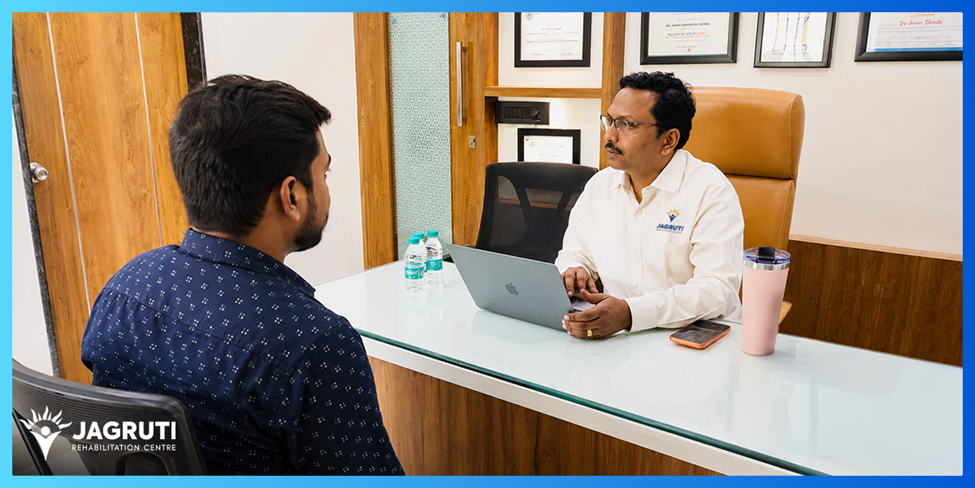
If you’re in Pune and thinking about a full clinical assessment, then you should not delay it at any cost. A rehabilitation centre in Pune is a reasonable place to start, offering support that looks at both the substance use itself and whatever’s sitting underneath it.
Why Recovery Is More Than Stopping Substance Use
Stopping the substance matters, obviously. But it’s just one piece of a bigger picture, and treating it as the whole picture is where a lot of relapses start.
Underneath the substance use, there are usually behavioural patterns that took years to build, emotional triggers nobody dealt with, sometimes a mental health concern that was already there before the addiction, quietly running in the background. Relationships that got strained. Coping mechanisms that, unhealthy as they were, still did a job for the person using them, which is exactly why they’re hard to let go of.
None of that disappears just because someone stops drinking or using. If anything, it gets louder once the substance isn’t around to drown it out. That’s usually when the real work starts, not when it ends. Which is why long-term recovery needs continued support and actual lifestyle changes, not a fixed window that wraps up neatly.
What Long-Term Addiction Recovery Can Look Like
Consider a hypothetical example. A 35-year-old working in fintech in Pune, whose drinking crept up so gradually that nobody, including him, clocked it as a problem right away. It started as a way to decompress after long days. Fair enough, most people have some version of that. But it spilled into his work, into arguments at home that felt disproportionate even to him, into responsibilities he used to handle without thinking twice.
He tried quitting on his own, twice. Neither attempt was held.
Eventually his family pushed him toward professional help, something he resisted at first, before agreeing to a clinical assessment. A treatment team built an individualised plan: counselling, behavioural support, medical supervision, family sessions, and a relapse-prevention plan he had a hand in shaping. Structured support at a rehab centre in Pune gave him room to work through what was underneath the drinking, not just the drinking itself.
What mattered most, honestly, was everything that came after the program ended. Follow-up appointments he kept showing up for. Family support that didn’t fade after a few weeks. A plan that kept getting adjusted as new stuff came up.
What Does Effective Addiction Treatment Involve?
There’s no single formula, but most effective plans draw from a similar toolkit:
- Clinical and psychological assessment
- Individual counselling
- Behavioural therapies
- Medical support where it’s clinically required, including managing withdrawal symptoms
- Family counselling and education
- Building healthy routines back up
- Relapse-prevention strategies
- Aftercare once the formal treatment phase wraps
Which of these matters most depends on the substance, how severe the dependence is, and the person’s overall health and circumstances.
Why Relapse Does Not Mean Treatment Has Failed
This gets misunderstood constantly. Relapse doesn’t mean someone failed at recovery, and it doesn’t mean the treatment was pointless.
Recovery tends to move in fits and starts, real progress next to real setbacks, and for a lot of people that’s just how it goes, not a sign something went fundamentally wrong. A recurrence of substance use is often just a signal that the plan needs adjusting, or that more support is needed. Working through what actually triggered it can make the whole plan stronger. That doesn’t mean relapse is inevitable. But when it happens, continued support does more good than blame ever will.
The Role of Family in Long-Term Recovery
Family involvement shapes how recovery goes, sometimes more than people expect. Encouraging someone toward help, without loading it up with blame or stigma, tends to land better than confrontation. Learning to spot warning signs helps, and so does supporting healthy routines at home, even the small, boring ones.
Boundaries matter too. Supporting someone isn’t the same as enabling old patterns to keep the peace, and that line is easy to blur when you love someone. Where family counselling gets recommended, showing up for it can genuinely change the outcome. Family support complements professional treatment. It doesn’t replace it.
Building a Sustainable Life After Treatment
Long-term recovery, broken down, depends mostly on ordinary daily stuff. Consistent routines. Actual sleep. Eating properly instead of skipping meals or grabbing whatever’s around. Some physical activity, even just regular walks.
Meaningful work or study gives people structure and purpose, more than most realise going in. Learning to manage stress without falling back on old coping mechanisms takes practice. Regular follow-up catches problems early, before they snowball, and steering clear of known triggers matters too, especially early on. It’s not really about avoiding substances for its own sake. It’s about building a life that feels worth showing up for.
Conclusion
So, can addiction be treated? Yes. But lasting recovery asks for more than a short-term fix. It needs proper assessment, a plan built around the actual person rather than a template, behavioural support, family involvement, relapse-prevention planning, and care that continues well past the initial phase.
Seeking professional help is a genuinely constructive step, and treatment should always be shaped around each person’s circumstances, not forced into a one-size-fits-all mould.
Rehabilitation Support in Pune
If you or a family member is looking for professional rehabilitation support in Pune, you can contact:
Jagruti Rehabilitation Centre in Pune – Best De-Addiction Centre & Nasha Mukti Kendra In Pune
Address- Zhagade Wasti, Near Loni Toll Naka, Pune-Solapur Highway, Manjari Farm, Hadapsar, Pune, Maharashtra 412307
Phone- +91-9822207761
About the Author