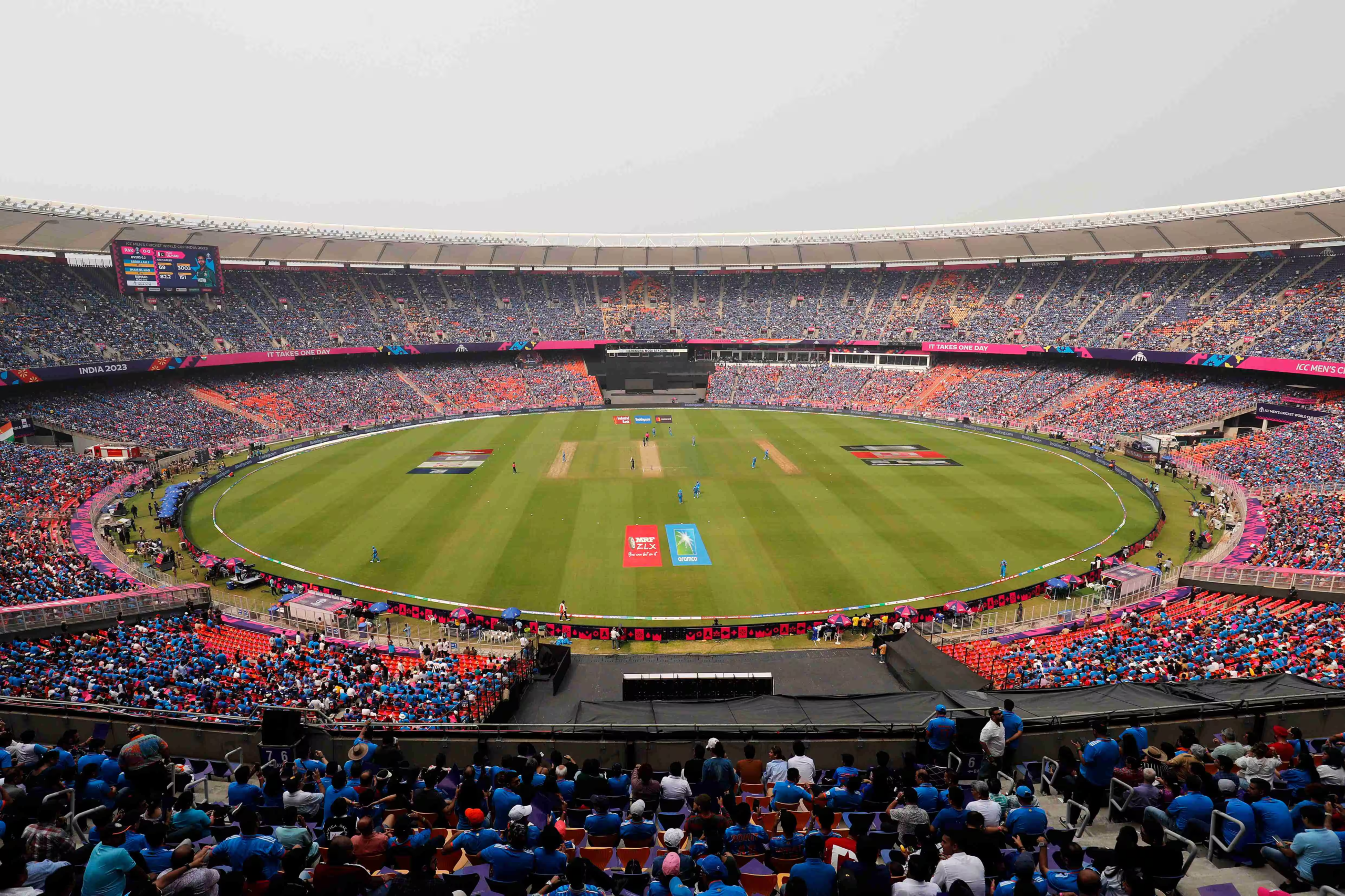

Cricket goes beyond a sport in India it is a passion that brings together millions of fans across the country. While we see reports that focus on large stadiums like the Narendra Modi and Eden Gardens, which have huge capacities it is the small cricket venues that also play a key role in the growth of the game. These may be small in size, but they do a great job in bringing fans right into the action on the field.
As of 2026, it is the case that in India, we see which cricket stadiums have the smallest seating capacities. Though these stadia are of a small size, they have hosted very memorable domestic and international matches.
Top 10 smallest cricket stadiums in India.
1. Holkar Cricket Stadium, Indore
In Indore, Holkar Cricket Stadium, which is also known to be one of the smallest out of India’s international grounds, has a capacity of about 30,000. The stadium is known for its batting-friendly pitch and also its fast outfield. It has hosted many great international matches and is also one of the best-maintained grounds in the country.
2. Barsapara Cricket Stadium, Guwahati
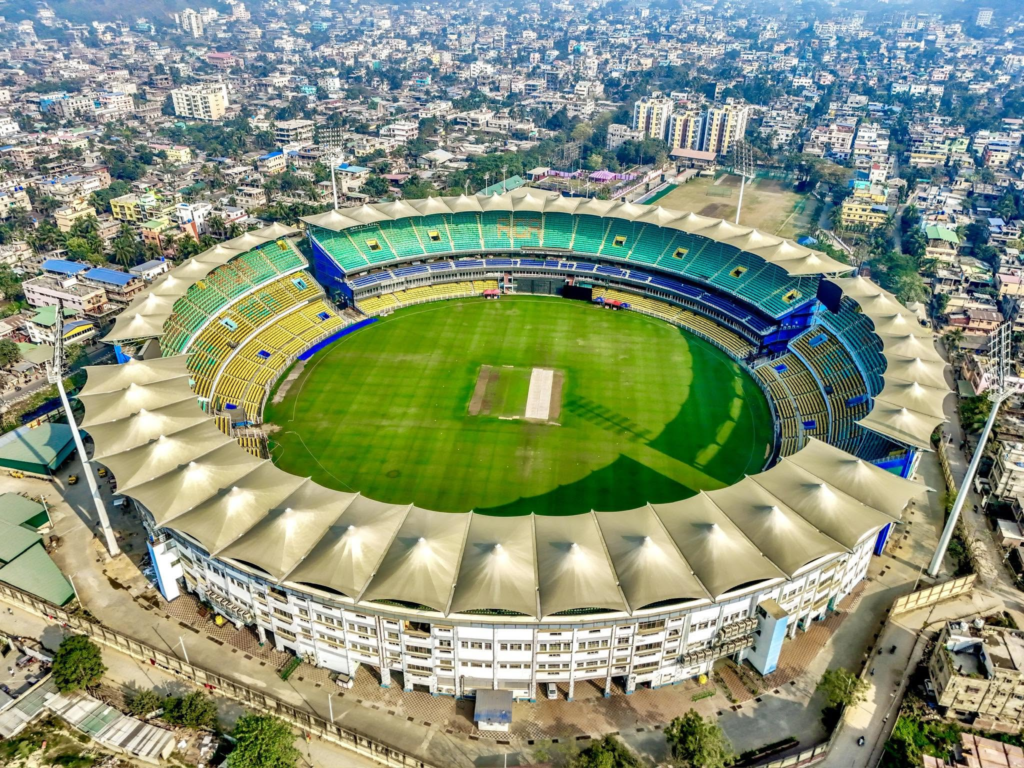
In Guwahati, at the recently built Barsapara Cricket Stadium, which has a capacity of around 40,000. Although it is of recent construction as compared to many other Indian stadia, it has grown to be a key venue for international cricket in that part of the country.
3.Dr. Y.S. Rajasekhara Reddy ACA-VDCA Cricket Stadium.
In Visakhapatnam, this stadium, which has a capacity of 28,000, stands. Also surrounded by beautiful hills, it is known to be among the most picturesque cricket grounds in the country. Also, it has a compact design, which creates a great atmosphere during the matches.
4. Green Park Stadium, Kanpur
Green Park Stadium in Kanpur has a capacity of 32,000. A very old cricket ground in India, which has seen many historic Test matches and which is still an important venue for both domestic and international cricket.
5.Vidarbha Cricket Association Stadium.
The stadium in Nagpur has a capacity of 45,000. While it may not be the smallest in terms of size, it is still compact compared to India’s large-scale stadiums. Also, it is known for its state-of-the-art facilities and spin-friendly pitches.
6.Saurashtra Cricket Stadium in Rajkot.
In Rajkot, there is a stadium which has a capacity of 28,000. That venue has world-class infrastructure, which has made it a regular host for international matches of the Indian team.
7.JSCA International Sports Complex, Ranchi.
In Ranchi, there is a stadium that seats about 39,000 spectators. Also known as the home ground of the great cricketer MS Dhoni it has become a favorite of cricket fans for its modern design and lively atmosphere.
8.Himachal Pradesh Cricket Association Ground.
In the hills of Dharamshala, this stadium has a capacity of about 23,00 which makes it one of the smallest international cricket grounds in India. Also, the setting surrounded by mountains is what makes this cricket venue very pretty.
9. Arun Jaitley Stadium, Delhi
In New Delhi, the Arun Jaitley Stadium is located, which has a capacity of about 35,000 after recent renovations. Though in terms of size it is smaller than many other new arenas, it is still an iconic ground in India.
10. M. Chinnaswamy Stadium, Bengaluru
In Bengaluru, there is a famous stadium that has a capacity of 40,000 spectators. Known for high-scoring matches and passionate support from the stands it also gives fans a very close experience that larger stadiums may not be able to provide.
Why Small Stadiums Are Special
Small cricket arenas have many benefits. Fans are closer to the action, which in turn makes the atmosphere more electric. Players can hear the crowd better, which also brings in more intensity to the game. Also, these venues play a role in taking cricket to different parts of India and give local fans a chance to see international matches without having to travel far.
Conclusion
While in the midst of talks that are large-scale and focused on the giant venues of cricket in India, we tend to ignore the role of the smaller stadiums, which, in fact, are very much a part of the sport’s growth. From the picture-perfect settings of Dharamshala to the rich history of Kanpur, we see that what makes a great stadium is not its size. In 2026, we will still see these small venues to be very much at the core of cricket action, which also includes great experiences for players and fans.
About the Author