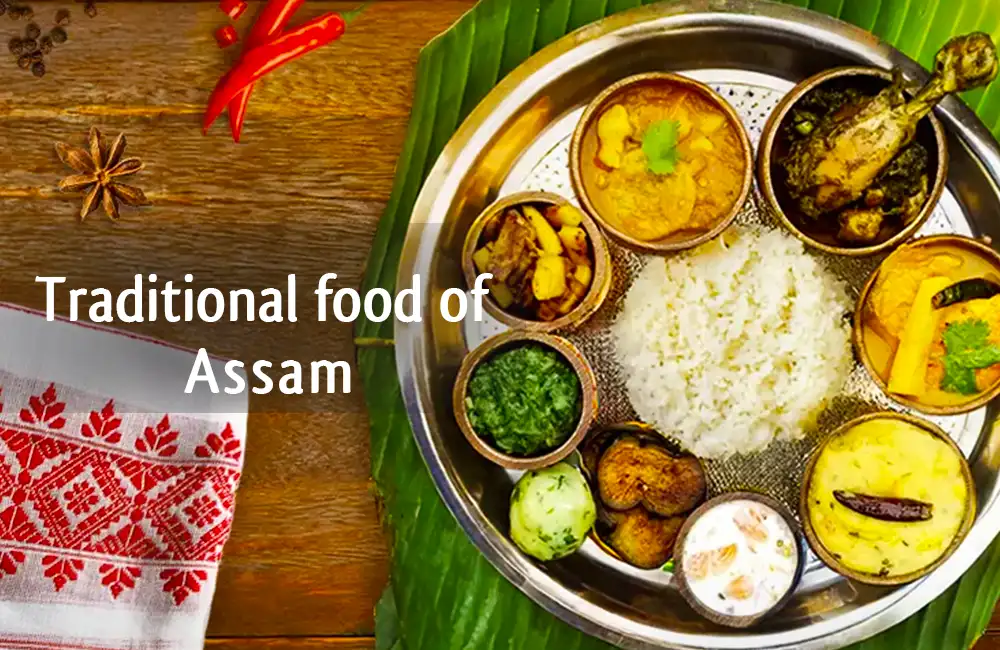

Assam, the gateway to Northeast India, is known not only for its breathtaking tea gardens, lush landscapes, and vibrant festivals but also for its unique and flavourful cuisine. Assamese food is simple, nutritious, and deeply rooted in local traditions, with an emphasis on fresh ingredients, aromatic herbs, seasonal vegetables, river fish, and organic spices. Unlike many Indian cuisines, Assamese dishes are generally mild in spice, allowing the natural flavours of the ingredients to shine.
If you’re planning a trip to Assam, exploring its traditional cuisine is just as important as visiting its famous attractions. Here are the top 8 traditional Assamese dishes that you must try in 2026.
Also read: Top 10 Chips & Wafers Brands In India
1. Khar
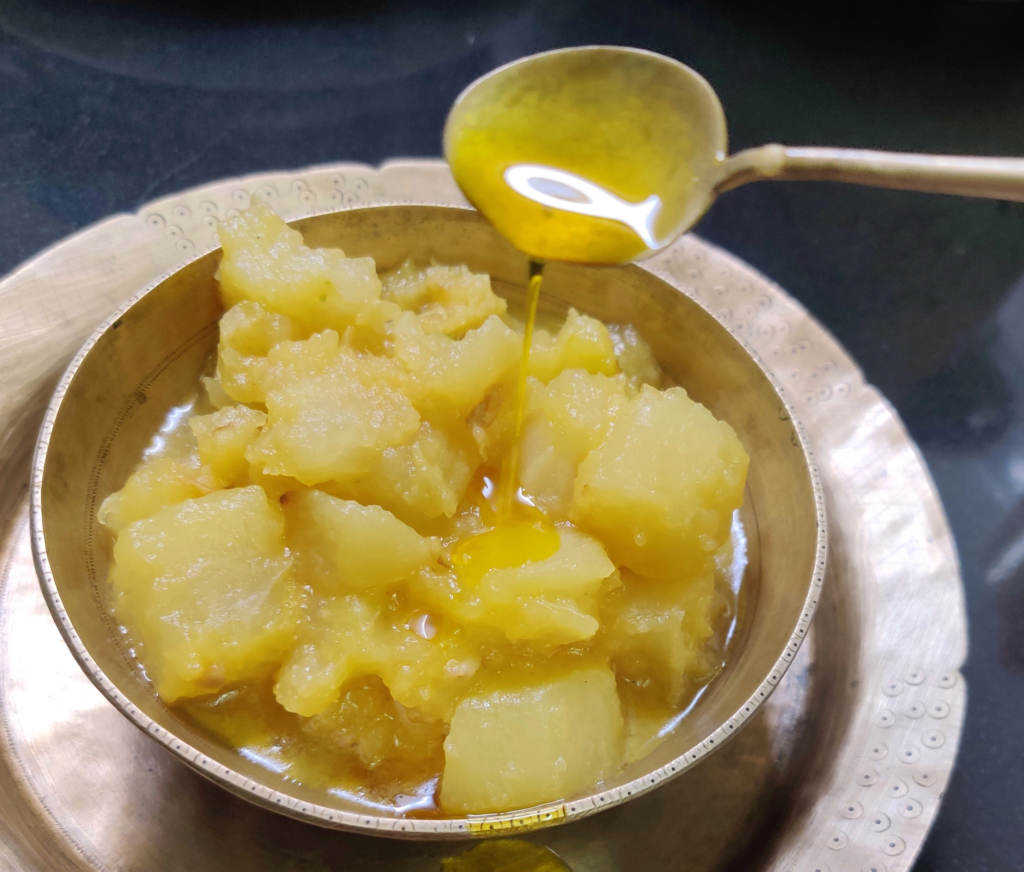
Khar is one of the most iconic dishes of Assam and is often served as the first course of a traditional Assamese meal. It is prepared using raw papaya, pulses, vegetables, or meat cooked with an alkaline extract made from the ash of dried banana peels.
The dish has a unique flavour that is unlike any other Indian preparation and is both healthy and refreshing.
Highlights
- Signature dish of Assam
- Prepared using natural alkaline extract
- Nutritious and light
- Served with steamed rice
2. Masor Tenga
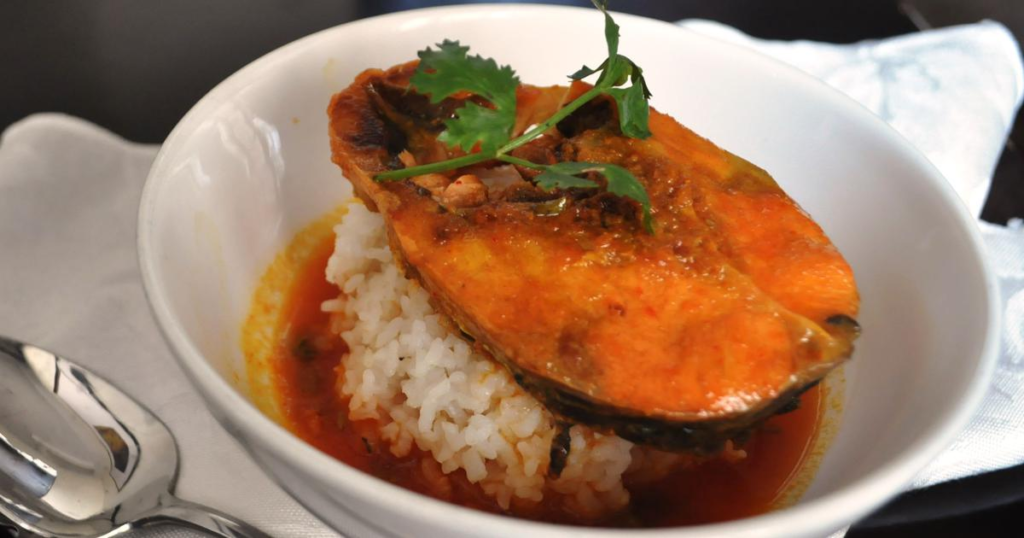
Masor Tenga is a delicious Assamese fish curry known for its light, tangy flavour. Freshwater fish is cooked with tomatoes, lemon, elephant apple, or other souring ingredients to create a refreshing curry that is especially popular during the summer months.
Unlike rich and spicy fish curries found elsewhere in India, Masor Tenga has a delicate taste that perfectly complements steamed rice.
Highlights
- Traditional Assamese fish curry
- Refreshing tangy flavour
- Prepared with fresh river fish
- Perfect with hot rice
3. Duck Meat Curry (Hanhor Mangxo)
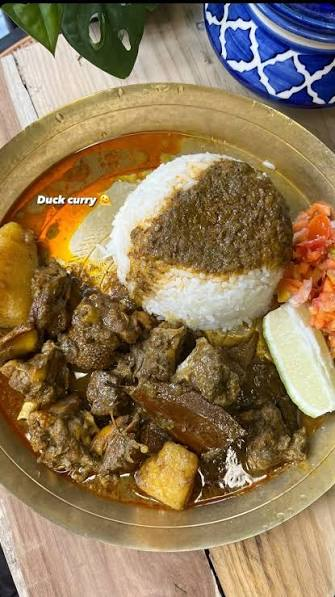
Hanhor Mangxo, or Assamese Duck Curry, is a festive delicacy prepared during special occasions and family celebrations. The duck meat is slow-cooked with spices, ash gourd, sesame seeds, or bottle gourd, resulting in a rich and aromatic dish.
Its distinctive taste makes it one of Assam’s most cherished traditional recipes.
Highlights
- Popular festive dish
- Slow-cooked for rich flavour
- Often prepared with ash gourd
- Traditional family favourite
4. Aloo Pitika
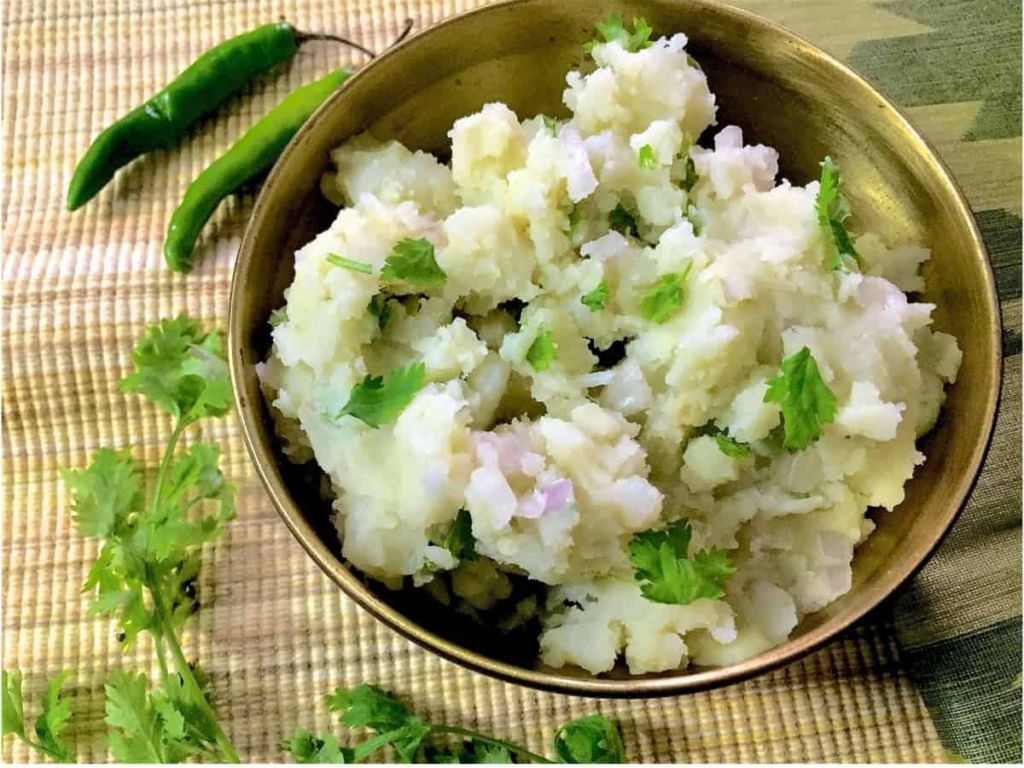
Aloo Pitika is one of Assam’s simplest yet most comforting dishes. It is made by mashing boiled potatoes with mustard oil, onions, green chillies, coriander, and salt.
Despite its simplicity, this humble dish is packed with flavour and is commonly served alongside rice and dal in Assamese households.
Highlights
- Traditional mashed potato dish
- Flavoured with mustard oil
- Simple and comforting
- Everyday Assamese favourite
5. Pitha
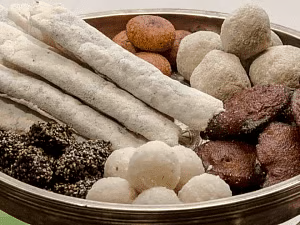
No visit to Assam is complete without tasting Pitha, a traditional rice cake prepared during festivals, especially Magh Bihu. Made from rice flour, coconut, sesame seeds, and jaggery, Pitha comes in several varieties, each with its own unique texture and taste.
It is enjoyed as both a breakfast item and a festive dessert.
Highlights
- Traditional Assamese rice cake
- Popular during Bihu celebrations
- Made with coconut and jaggery
- Sweet and savoury varieties available
6. Xaak Bhaji
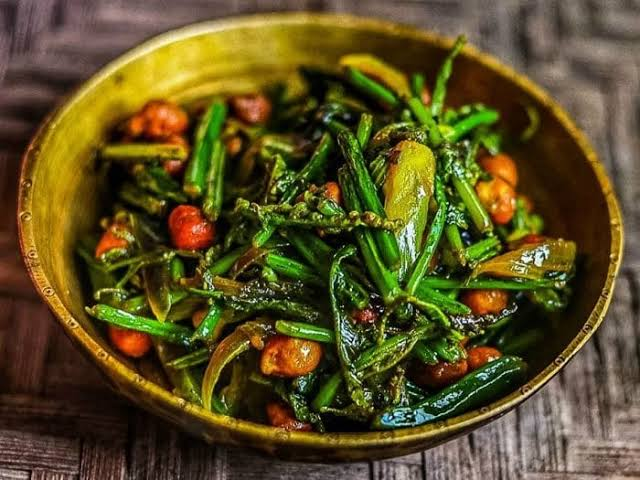
Xaak Bhaji is a healthy stir-fried dish prepared using fresh leafy greens grown locally in Assam. Cooked with minimal spices, garlic, and mustard oil, it highlights the natural flavours of seasonal vegetables.
This nutritious side dish is an essential part of a traditional Assamese meal.
Highlights
- Made with fresh leafy greens
- Healthy and nutritious
- Lightly seasoned
- Served with rice and dal
7. Ou Tenga chutney
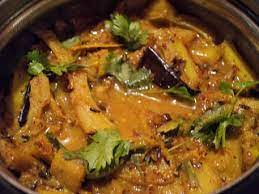
Ou tenga chutney is a tangy and mildly sweet chutney prepared using elephant apple, a fruit native to Assam. Cooked with jaggery and mild spices, it is often served at the end of a meal as a digestive accompaniment.
Its refreshing taste provides the perfect balance after a hearty Assamese feast.
Highlights
- Made from elephant apple
- Sweet and tangy flavour
- Traditional digestive dish
- Popular side accompaniment
8. Payox
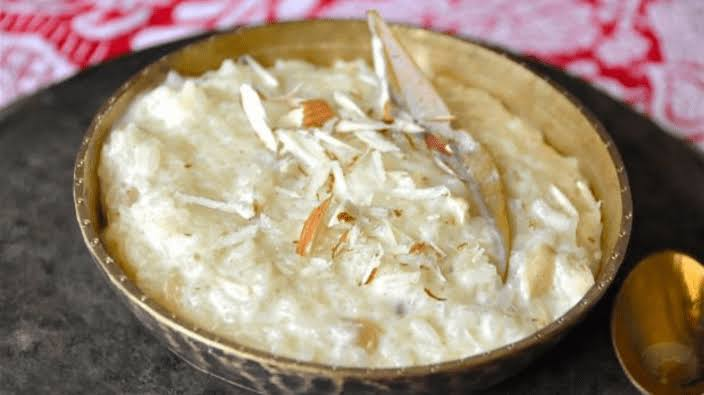
Payox is Assam’s traditional rice pudding and a favourite festive dessert. It is prepared using aromatic rice, milk, sugar or jaggery, and sometimes flavoured with cardamom and nuts.
Served during religious ceremonies, weddings, and festivals, Payox is a symbol of celebration and hospitality in Assamese culture.
Highlights
- Traditional Assamese dessert
- Made with aromatic rice and milk
- Served during festivals and celebrations
- Rich, creamy, and delicious
Best Places to Enjoy Traditional Assamese Cuisine
Visitors can experience authentic Assamese food at local restaurants, heritage homes, village homestays, and traditional eateries across Guwahati, Majuli, Jorhat, Sivasagar, Tezpur, and Kaziranga. Local food festivals and Bihu celebrations also provide an excellent opportunity to taste a wide variety of regional delicacies prepared using age-old recipes.
Conclusion
Assamese cuisine reflects the state’s rich cultural heritage, agricultural traditions, and close connection with nature. From the distinctive flavours of Khar and the refreshing taste of Masor Tenga to the festive sweetness of Pitha and Payox, every dish offers a unique culinary experience that showcases the simplicity and authenticity of Assamese cooking.
If you’re planning to visit Assam in 2026, be sure to savour these traditional dishes. Exploring the local cuisine is one of the best ways to understand the region’s history, traditions, and warm hospitality, making your journey through Assam truly unforgettable.
Also read: https://amzn.to/4wpxv1h
About the Author