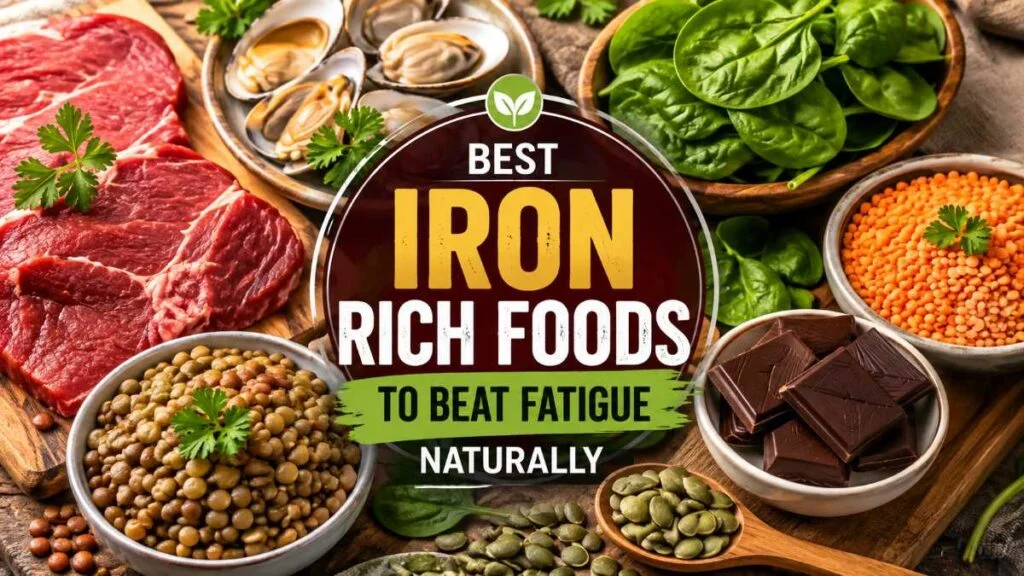
Iron is a vital mineral that fulfills several functions in the human body. Particularly, iron is involved in the process of haemoglobin production, which is responsible for transporting oxygen through the blood. If we follow a diet comprising iron-rich foods, we will be able to achieve a normally functioning body and good nutritional status. A diet based on iron can be beneficial, especially when Indian food products such as pulses, green leafy vegetables, millet, seeds, and eggs are used.
What is the Iron-Rich Diet?
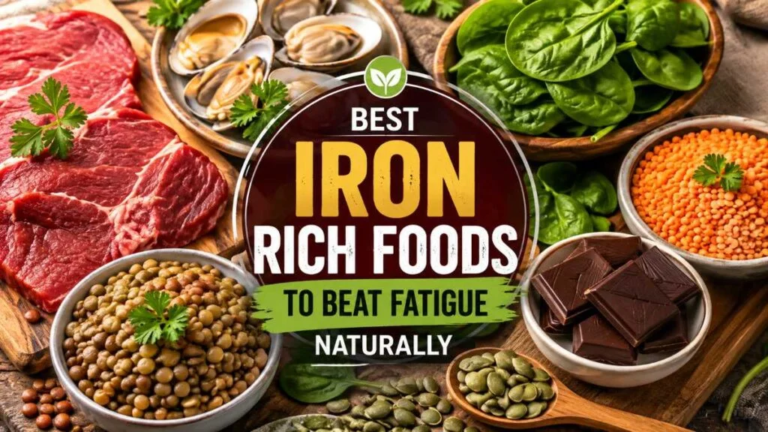
The Iron-Rich Diet enables people to consume foods high in iron. The most common food groups that have iron in them comprise plant-based sources like dals and beans, green leafy vegetables, and sesame seeds, as well as animal sources like eggs, fish, and lean meat.
Animal sources of iron are absorbed faster than plant sources, which contain non-heme iron. However, vegetarians may improve their iron intake. The intake of plant sources may be coupled with the intake of vitamin C, which is found in foods such as tomatoes, lemons, guava, oranges, and amla.
The significance of iron
Iron is responsible for forming red blood cells and for the transportation of oxygen in the body. Lack of iron can lead to fatigue, low energy levels, and difficulty in performing daily activities.
That is why it is better to eat iron-rich foods regularly instead of consuming nutrient-rich meals only occasionally. If one has high nutritional needs, iron intake should be monitored especially closely.
The best sources of iron in India
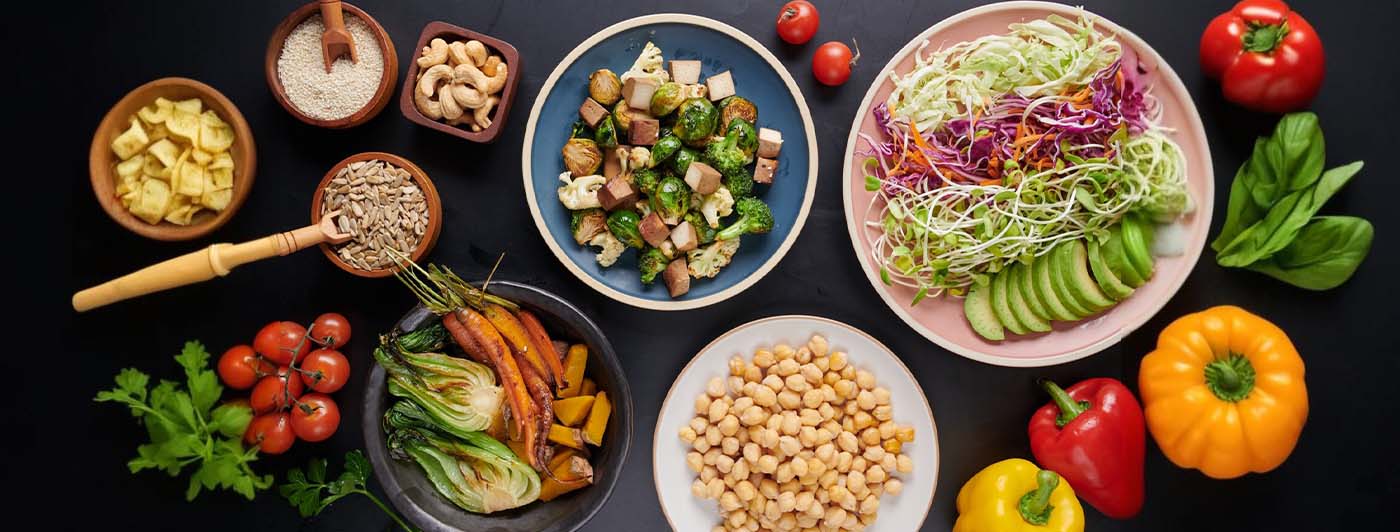
When it comes to Indian cooking, there are many ingredients that are a good source of iron.
Lentils: Dal varieties such as moong, masoor, and others provide protein and fiber coupled with iron.
Vegetables: Spinach and methi, among other vegetables, can provide meals like curries, dals, and chapatis.
Legumes: Rajma and chickpeas are good sources of plant-based iron.
Millets: Use traditional cereals like ragi for variety and minerals.
Seeds: Sprinkle sesame seeds on salads, vegetables, or chapatis.
Fish and eggs: Both types of food are good sources of iron, along with protein.
Besan: Gram flour is another ingredient that can be applied in the preparation of numerous healthful dishes.
Iron absorption cannot be assured with the consumption of iron-rich foods due to the combination of foods being consumed.
Adding lemon juice, tomatoes, or another vitamin C-rich food to a pulse or leafy-green meal can help the body absorb plant-based iron. Soaking and sprouting legumes may also improve the availability of some nutrients.
Tea and coffee are best consumed separately from iron-focused meals because certain compounds in these beverages can interfere with iron absorption. Calcium-rich foods and supplements may also need to be appropriately timed when iron deficiency is being treated.
Sample Indian Meal Pattern
A practical day could begin with moong-dal chilla and tomato chutney. Lunch might include rajma, rice and a salad with lemon, followed by roasted chana and fruit as a snack. Dinner may include chapati along with vegetable dishes made with palak. Non-vegetarians may include fish or eggs for added protein.
The specific amounts may vary according to people’s age, individual calorie needs, and personal health conditions.
Benefits of a diet rich in iron
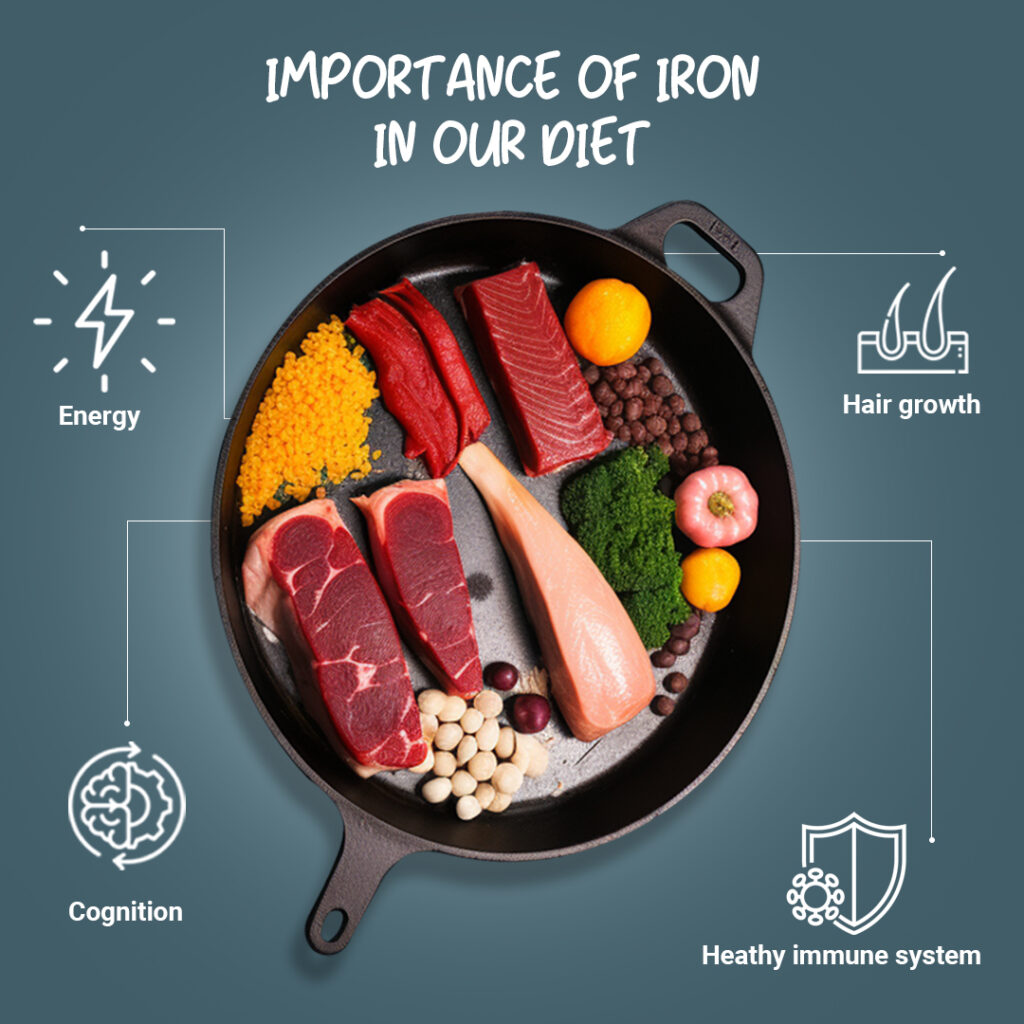
Various diets rich in iron can assist with normal transport of oxygen, metabolism of energy, and production of red blood cells. This also urges people to include legumes, vegetables, seeds, and whole grains in the diet.
Adequate iron intake is especially important for kids and adolescents and young women who have increased need for nutrition. Pregnant women should talk to their doctors about their need for iron.
Common mistakes to be avoided
One of the mistakes is relying on one food for iron, like spinach. A more successful strategy would be a variety of foods. Another mistake that people often make is drinking tea right after having a meal. This reduces plant iron absorption. Also, reliance on iron supplements without consulting your doctor should be avoided.
About the Author