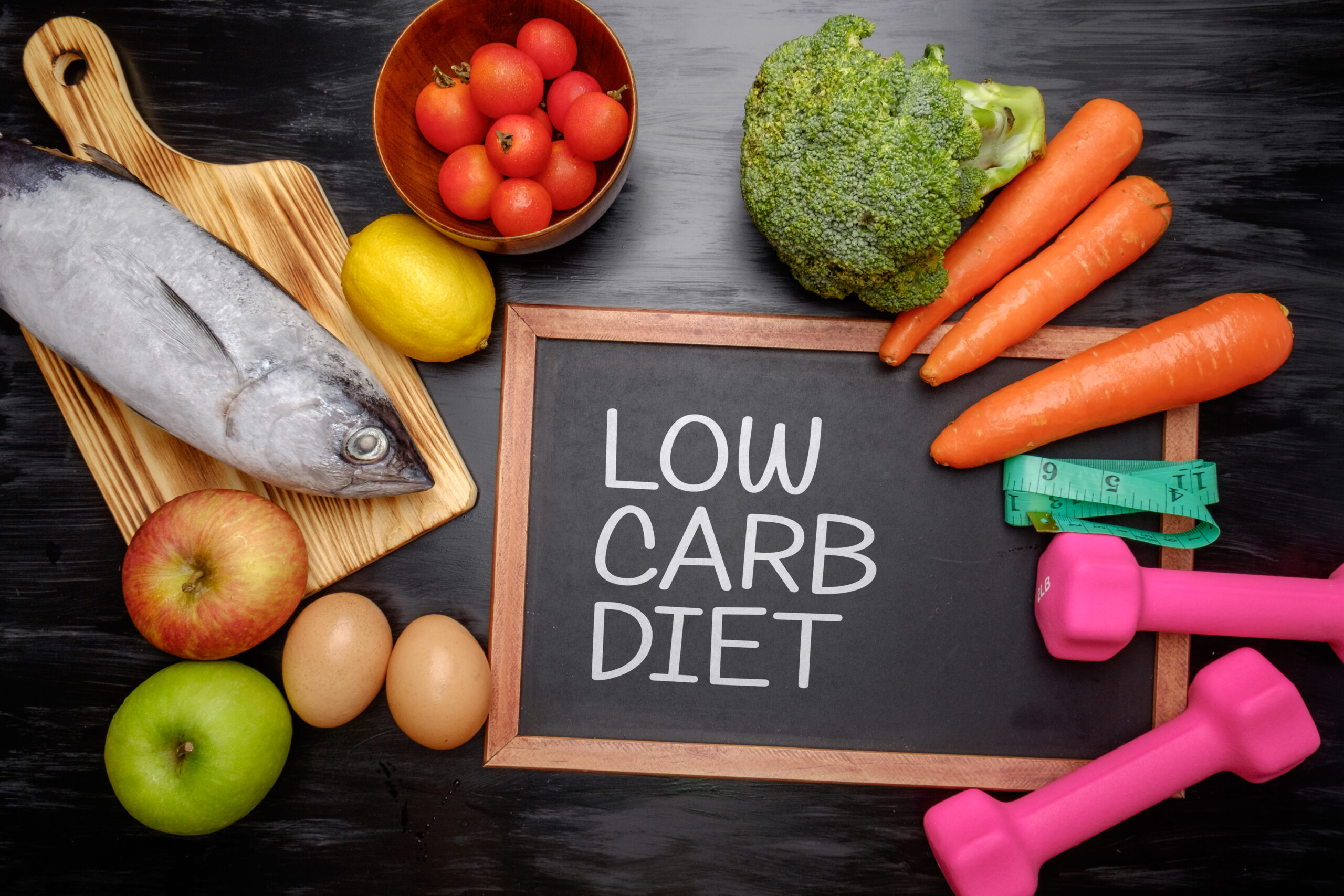

The low-carb plan involves reducing the amount of carbohydrates in the diet but focusing more on proteins, greens, healthy fats, and fibres instead. This does not mean cutting all carbohydrates out of the eating plan but rather striving to eat what are considered non-refined products, avoiding sugar-laden drinks, sweets, and too much rice.
Low Carb Diet Definition

Carbohydrates are important as a source of energy, but the amount and quality of those consumed matter. A low-carb diet means sticking to fewer carbs and consuming foods such as eggs, paneer, fish, chicken, vegetables, nuts – and some lentils.
In Indian households, making use of such a plan is also possible without having to stop eating traditional meals. For example, it is possible to eat controlled portions of roti or rice with vegetables and meat or even fish, without bread and sugar. Jowa and bajra can also be used instead of refined grains.
Operating Principle of Low Carb Diet
Limitations on carb use imply that there may not be so much sugar available in the diet, and thus the body will have to utilize its own energy devices instead.
A balanced low-carb plate may include plenty of non-starchy vegetables, a good protein source and a modest portion of carbohydrate-containing food. The exact amount of carbohydrate required varies according to individual health, activity levels and dietary goals.
Foods to Include
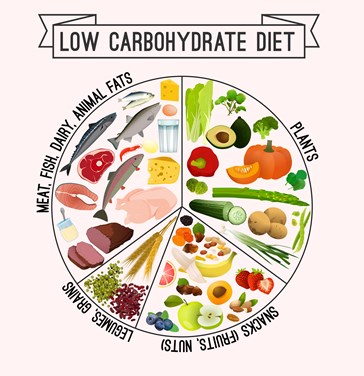
Several everyday Indian foods can fit comfortably into a lower-carbohydrate meal plan:
Eggs and omelettes
Paneer and unsweetened curd
Fish and lean chicken
Leafy greens and other non-starchy vegetables
Moong and other pulses in suitable portions
Nuts and seeds
Jowar or bajra roti in moderate quantities
Unsweetened Greek yogurt
Healthy cooking oils in controlled amounts
Vegetables are particularly useful because they provide fibre, vitamins and minerals without contributing as many carbohydrates as grains or sweets.
Foods to Limit
A lower-carb approach generally reduces foods that are high in refined carbohydrates or added sugars. These include white bread, large servings of white rice, sugary beverages, sweets, biscuits, cakes and many deep-fried snacks.
Potatoes and other starchy foods do not necessarily need to be eliminated, but portion sizes can be monitored. Packaged foods labelled “low-carb” should also be checked carefully because they may contain substantial amounts of calories, fats or added ingredients.
Potential Benefits
If a low-carb diet is done correctly, it could help with weight loss and controlling hunger. Reducing the intake of processed carbs may also help some individuals with controlling blood sugar levels.
Protein-rich foods may help to keep people feeling fuller, while fruits and vegetables may aid in eating healthy. Substituting unhealthy foods with healthier options can enhance the quality of diet.
Nevertheless, the results will depend on each person. A long-term eating plan should ensure that one is getting all the needed nutrients, not solely focused on minimizing carbohydrate intake.
Sample Indian Meal Plan
One could begin the day with a veggie omelet or paneer bhurji. Have grilled chicken or dal with plenty of vegetables and a small millet roti for lunch. Have nuts or plain yogurt as a snack and fish or any protein-rich food with salad and vegetables for dinner.
Useful Tips
It is better to make gradual rather than abrupt alterations in one’s diet. Limit the intake of refined grains, eat plenty of vegetables, ensure protein intake at every meal, drink enough water, and consume lots of fiber.
Regular physical activity, sufficient sleep, and stress management are equally important for maintaining a healthy lifestyle. Keeping a simple food and progress journal may also help identify which meals provide better energy and satiety.
Who Should Take Extra Care?
A major dietary change may not be appropriate for everyone. People with diabetes, kidney disease, pregnancy, breastfeeding requirements, or other medical conditions should seek professional dietary advice before significantly reducing carbohydrates. Medication doses may sometimes need adjustment when dietary patterns change.
About the Author