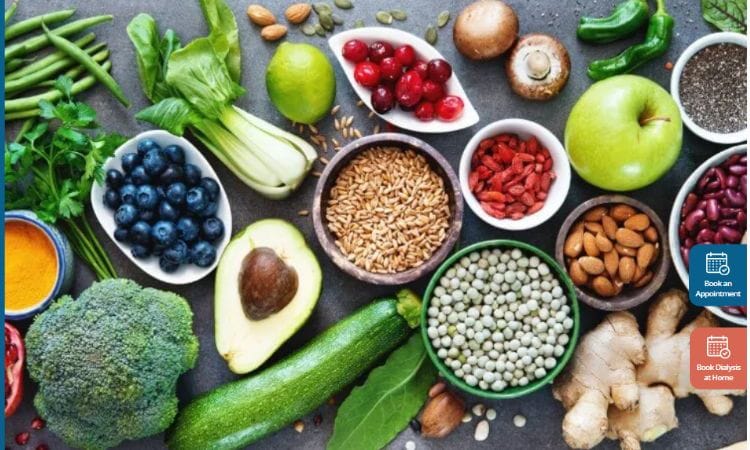

Eating well on a renal diet is a skill that develops with time, and the early weeks of a dialysis diagnosis often involve a significant adjustment period where familiar meals are reconsidered and new approaches to cooking are worked out. The aim of building a collection of reliable recipes is to reduce the daily decision-making load around food, so that eating within the required dietary parameters becomes part of a manageable routine rather than a source of ongoing stress.
The recipes that work best for long-term adherence to a renal diet tend to be ones that are genuinely satisfying, not overly complicated to prepare, and flexible enough to accommodate the small variations in blood results that affect individual dietary targets over time. The ideas here are starting points rather than fixed formulas, and adjusting ingredients based on guidance from a renal dietitian is always the right approach.
Rice-Based Meals That Work Well
Plain white rice is one of the more reliably kidney-friendly staples because it is low in potassium and phosphorus relative to its brown rice counterpart, and it carries flavor well from whatever it is served alongside. A simple lemon rice, made by tempering white rice with mustard seeds, curry leaves, a small amount of peanuts within the allowed portion, and fresh lemon juice, is a complete and flavorful meal that requires minimal preparation and avoids high-potassium additions.
A vegetable pulao made with white rice, a small amount of capsicum, carrot, and green peas, prepared with whole spices, a bay leaf, and a controlled amount of oil, gives a more celebratory feel to a simple meal without introducing high-risk ingredients. Avoiding the addition of tomato keeps the potassium lower, and the green peas should be included in a portion that reflects the individual’s daily potassium limit.
Protein-Forward Meal Ideas
A simple pan-cooked chicken breast, marinated with lemon juice, garlic, and herbs rather than soy sauce or salt-heavy marinades, served alongside boiled and leached vegetables, provides adequate protein without pushing phosphorus beyond manageable levels. The marinade approach matters because the flavoring is introduced without relying on high-sodium sauces that many restaurant-style chicken preparations depend on.
A lightly spiced fish curry made with hung curd rather than a tomato base keeps the potassium lower while still providing a sauce with enough substance to eat with rice or white bread. Fish is a reasonable protein source for dialysis patients when portion sizes are kept within the range recommended by the treating dietitian, with minimal added salt and fresh spices like turmeric, ginger, and coriander produces a full-flavored result without the ingredients that most commonly create dietary challenges.
Egg white bhurji, a scrambled preparation made with egg whites rather than whole eggs, capsicum, onion in a small amount, and mild spices, is a quick and protein-containing meal option that can be ready in under ten minutes and fits into the lower-phosphorus approach that most dialysis diets require.
For a broader collection of ideas with specific guidance on portions and substitutions, the recipes section developed by the NephroPlus team covers a wider range of kidney-friendly meal options that have been put together with renal dietary parameters in mind rather than adapted from standard recipes with modifications noted afterward.
Simple Desserts and Sweet Options
Sweetened options are an area where many dialysis patients feel most restricted, because common dessert ingredients including milk in large amounts, dried fruit, nuts, and chocolate are among the higher-potassium or higher-phosphorus choices. Finding sweet options that work within the dietary framework requires some creativity but is possible.
A simple semolina halwa made with a small portion of semolina, a controlled amount of sugar, a small amount of ghee, and water rather than milk keeps the phosphorus lower than a milk-based version. Adding a small amount of cardamom and a few strands of saffron provides the flavor depth that makes it feel like a proper sweet preparation rather than a stripped-down compromise. Additionally, Bengali sweets like Sandesh and rasgulla can be taken as high-calorie, high-protein options. Maida-based sweets like Badusha or Kalkal can also be consumed.
Apple or pear, cooked with a small amount of sugar and a cinnamon stick in water, is a light and naturally sweet dessert option. Pears are among the lower-potassium fruits and are suitable in moderated portions within a renal diet, which makes them a more accessible fruit option than many of the higher-potassium alternatives that dialysis patients commonly miss.
About the Author