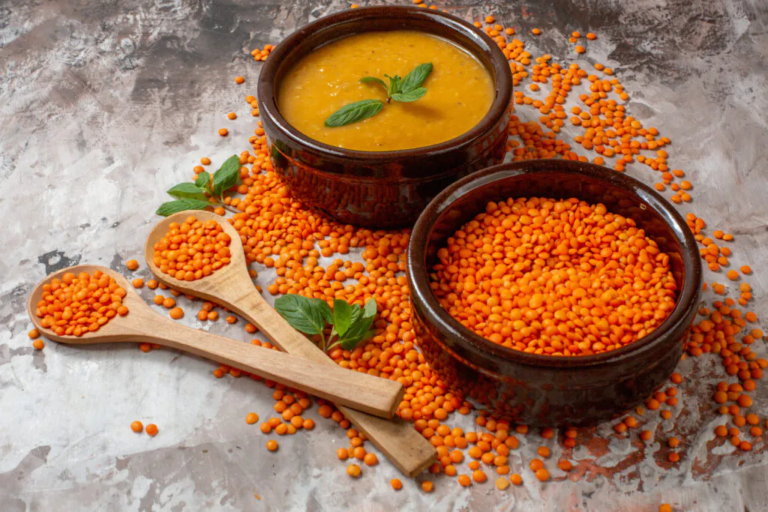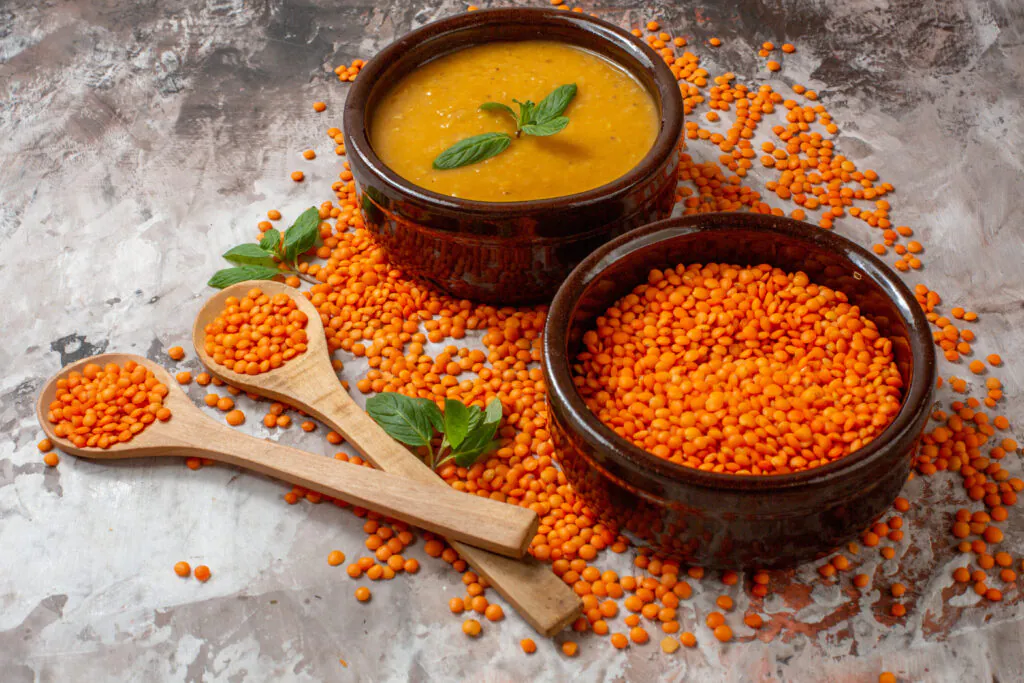
In today’s age of expensive protein powders, supplements, and trend which do, in fact, dominate the health food scene, it is very easy to ignore the fact that some of the best sources of nutrition have been right under our noses for generations. Masoor dal, which is also known as red lentils, is a great example. Affordable, easy to prepare, and very versatile, it is still a very important component of a balanced diet in 2026.
Growing up in an Indian family, dal is a staple in the home kitchen, which we do not think of as a health food as a whole. But a simple masoor dal side by which may be served with rice or roti, does in fact, pack in a variety of healthful nutrients.
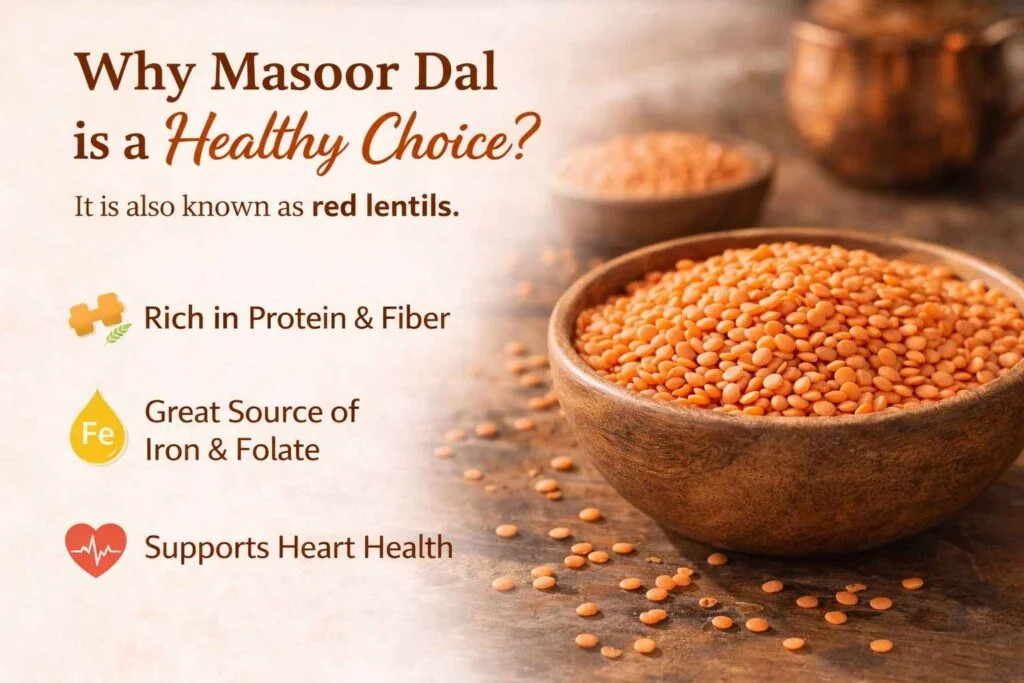
A Great Source of Plant Protein
Masoor dal has the greatest benefit of high protein content. Protein, which is very important for the repair of body tissues, growth of muscles, and also supports many basic body functions, is what masoor dal provides. For vegetarians and also for people looking to add more plant-based foods to their diet, masoor dal is a practical and affordable source of protein.
It’s a combination of protein and complex carbs, which also gives sustainable energy, which in turn is best for regular meals.
Supports Digestion and Weight Management
Masoor dal is a good source of dietary fiber. Fiber plays a role in healthy digestion and also helps maintain regular bowel movements. Also, it contributes to that fullness sensation after meals, which in turn may help to reduce unnecessary snacking and overeating.
Personally, I find that which is the appeal of many traditional dal-based meals is that they are very filling without at the same time making you feel heavy. When prepared with a moderate amount of oil and in association with vegetables or whole grains, masoor dal in particular may fit into a healthful diet.
Improve Heart and Blood Sugar Health
Masoor dal’s nutrient profile supports heart health. We see that potassium, magnesium, and folate, which are present in it, play a key role in the proper functioning of the body, which includes healthy circulation and blood pressure.
Because of the complex carb and fiber content that lentils have, they in turn cause a slow rise in blood sugar as compared to very refined carbs. Thus, masoor dal is a good inclusion in balanced meals for people who are aware of blood sugar management. But also it is true that individual dietary needs do vary, which is a particular thing for diabetics.
Provides Essential Nutrients
Masoor dal is a source of iron and folate, which in turn play a key role in the production of healthy blood cells. Also, the iron in plant foods is absorbed at a different rate as compared to that from animal-based products, which means pairing masoor dal with vitamin C-rich foods like tomatoes, lemons, or citrus fruits will, in fact, improve absorption.
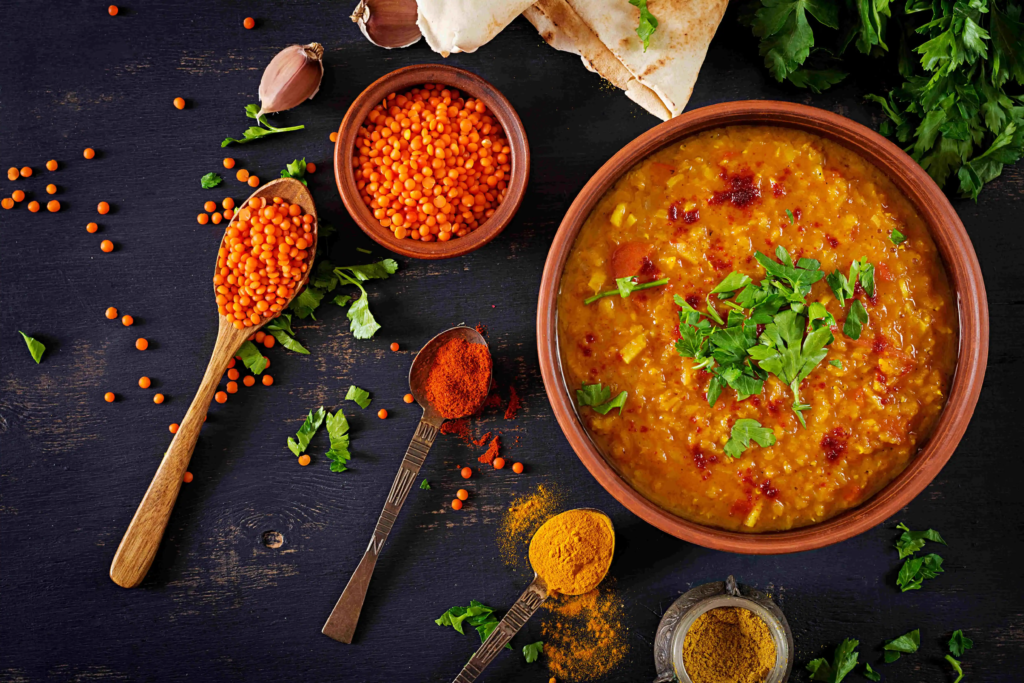
Also, in terms of content, masoor dal has several plant-based antioxidants which in turn protect cells from free radical damage.
Healthy Choice, but Balance is Key
Although masoor dal is healthy, we see that large amounts cause bloating or gas in some people due to its high fiber content. Also, people with certain allergies, kidney issues, or other health concerns should look at what they require from their diet and get professional advice when needed.
Conclusion
Masoor dal is proof that you don’t always have to turn to foreign or expensive options for healthful food. This common red lentil is a source of protein, fiber, iron, folate, and also provides a number of other important nutrients while at the same time being a breeze to prepare and very affordable. It may be had as a traditional dal, in a soup, or as a component of a modern dish; whichever you care to, it is still a great part of a balanced diet in 2026. Also, at times the most nutritious foods are right under our nose; they are the simple elements which, for years, have been the stars of our plates.
About the Author