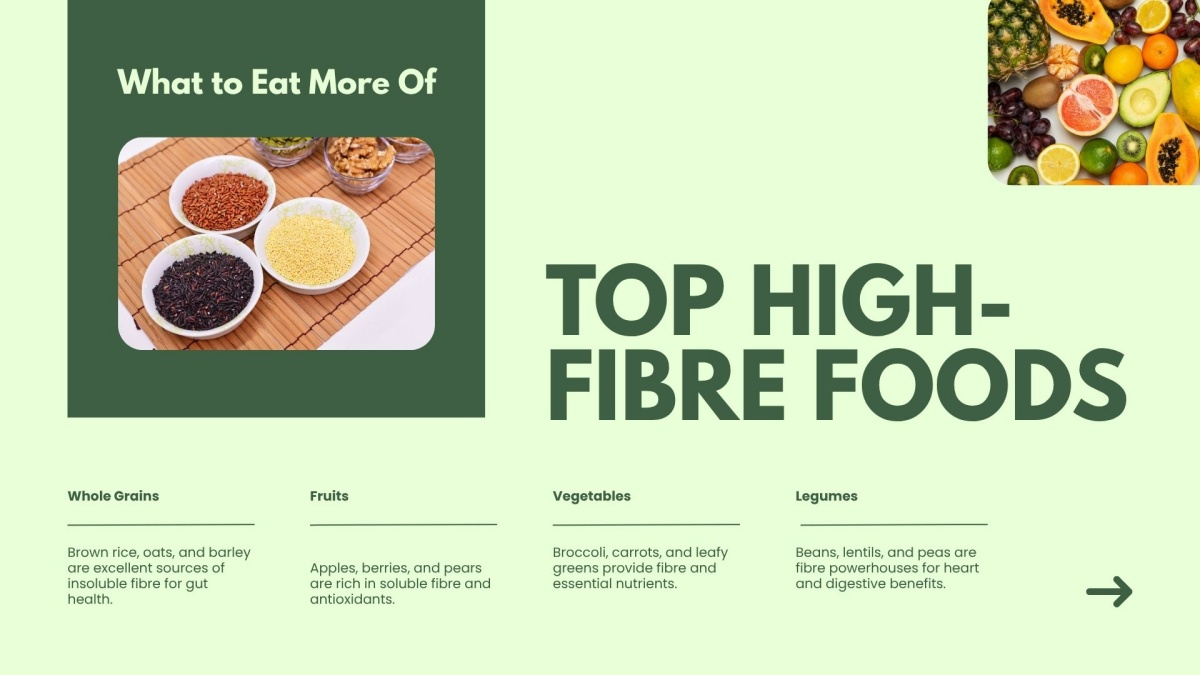

Eating a high-fiber diet can be an effective means of improving daily nutrition, as well as maintaining digestion and metabolism. Fiber is naturally present in vegetarian foods such as vegetables, fruits, legumes, cereals, nuts, and seeds. For Indian families, switching to a fiber-rich diet does not mean making major changes in the diet since many dishes prepared in Indian kitchens contain considerable amounts of fiber.
What is a High-Fiber Diet?
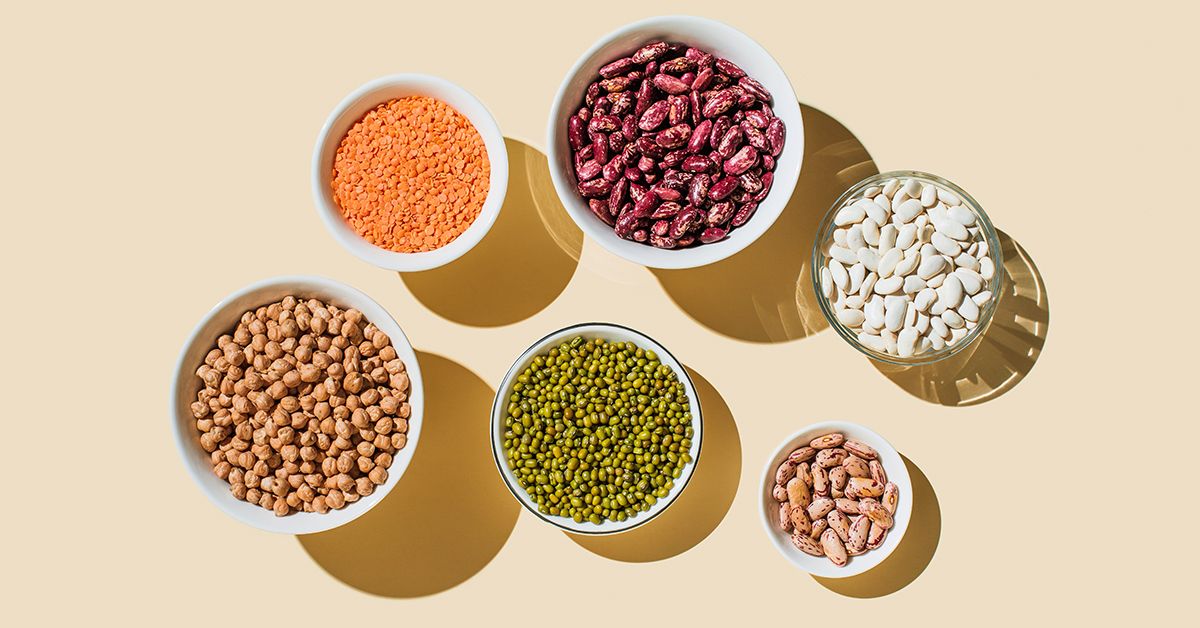
A high-fiber diet is based on the consumption of food that has a high portion of dietary fiber. Fiber can be divided into soluble and insoluble forms. Soluble fiber slows down digestion and may help maintain cholesterol and blood sugar at healthy levels, while insoluble fiber gives stool its bulking properties and helps with defecation.
Instead of depending on packaged fibre supplements, it is generally better to obtain fibre from a variety of whole foods. Dal, chickpeas, rajma, millets, vegetables, fruits, oats, nuts and seeds are convenient options for Indian meals.
Why Is Fibre Important?
Fiber is processed differently by the body than other nutrients. Fiber can help with digestion, satiety, and gut health. Increasing fiber consumption may help individuals feel fuller after eating, thus making it easier to control food intake.
Fiber consumption also serves as food for beneficial bacteria present in the gut. However, suddenly consuming large quantities of fiber might lead to gas or bloating. Gradual increase in fiber portions and ensuring the consumption of adequate fluids can make the change smoother.
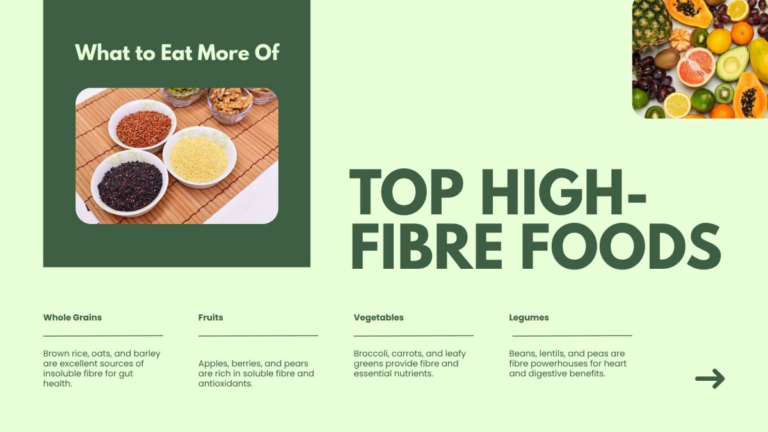
Best Foods High in Fiber: A person can lead a high-fiber diet with some easily known foods. Options include:

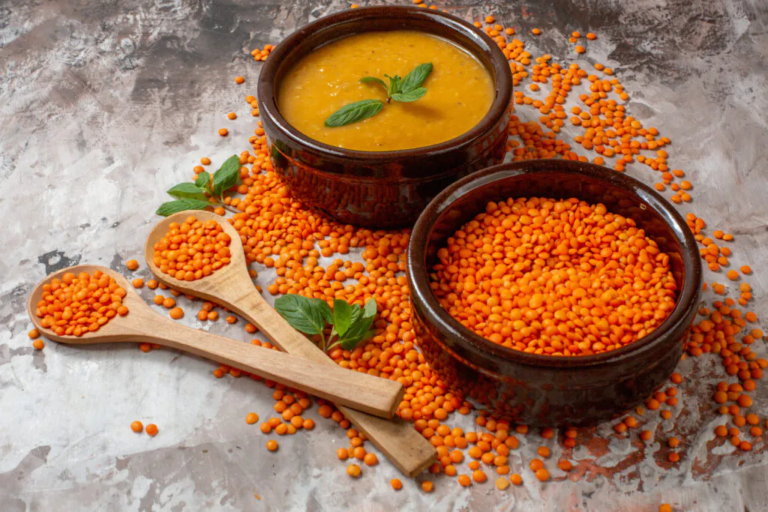
Pulses (dal, chana, rajma, moong, lentils)
Millets (bajra, jowar, ragi)
Whole grains (brown rice, oats, whole wheat products)
Vegetables (bhindi, spinach, carrots, peas, gourd)
Fruits (guava, apple, orange, pear, berry)
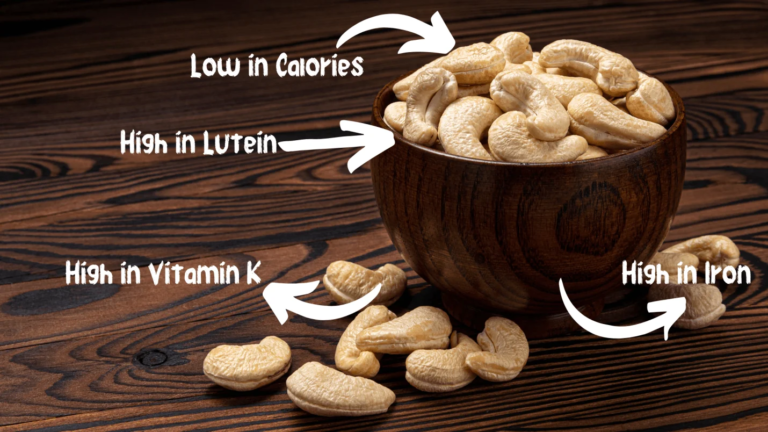
Nuts and seeds (almonds, chia, flaxseed, sunflower seeds)
And some other options (dalia, sprouts, vegetable-based poha)
The usage of a combination of these different foods during the day leads to better food diversity than the usage of one food only.
Effects of fiber on digestion: Fiber adds bulk to the stool and helps with regularizing bowel movements.
Helps With Weight Management
High-fibre foods can increase feelings of fullness and may reduce unnecessary snacking. Vegetables, legumes and whole grains can therefore be useful components of balanced meals.
Supports Heart Health
Soluble fibre may contribute to maintaining healthy cholesterol levels when included as part of an overall heart-friendly eating pattern.
Helps Maintain Blood Sugar Balance
Fibre can slow the digestion and absorption of carbohydrates, which may result in a more gradual rise in blood glucose after meals.
Supports Gut Health
Certain types of fibre are fermented by gut bacteria, producing compounds that contribute to a healthy intestinal environment.
How to Build a Fibre-Rich Indian Plate
A simple approach is to make vegetables a substantial part of lunch and dinner, include a pulse or other protein source, and choose whole grains or millets instead of refined alternatives. Whole fruit can also be used as a snack instead of juice.
For example, a meal could include dal, jowar roti, mixed vegetables and salad, followed by a whole fruit later in the day. The combination of these nutrients helps with fiber, protein, and other nutritional requirements.
Avoiding Common Mistakes
One common mistake is to increase the fiber content of the diet too quickly, which may lead to bloating, cramps, and possibly gas. Another mistake that people make is to concentrate only on fiber but forget about proteins, fats, and micronutrients. A proper diet should include a variety of food products.
In some cases, certain digestive issues or special diets may call for an individual approach in relation to fiber consumption.
Fiber and Health Planning
Eating healthy food is not the only condition for a healthy life. Regular workouts, enough sleep, yearly physical examinations, and early medical interventions are also vital for health benefits. Making financial plans for unexpected health care expenses is also useful; people must know their health insurance policy well.
About the Author