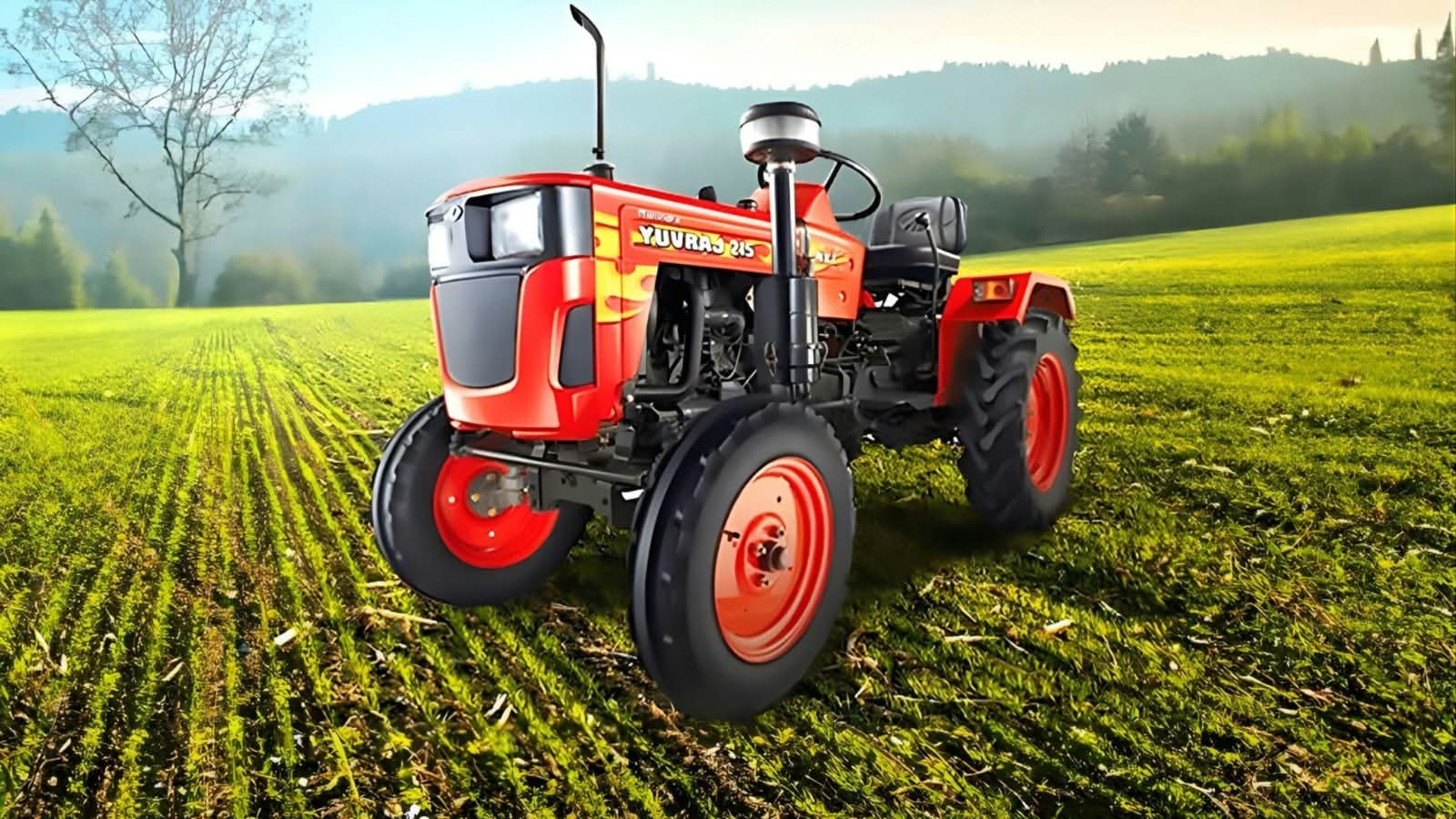

Kharif farming needs equipment for soil preparation, sowing, planting, weed control, crop protection, water management, harvesting and transport. The exact requirement depends on the crop and field condition, but farmers commonly rely on ploughs, cultivators, rotavators, seed drills, planters, weeders, sprayers, pumps, harvesters and trailers.
Because Kharif work is closely tied to monsoon conditions, equipment should be ready before each field operation begins.
Preparation should reflect how quickly field conditions can change after rain, since an implement that works well on one day may not suit wetter soil the next. Keeping the tools serviced and accessible helps farmers move from one operation to the next without adding avoidable field passes.
Essential Equipment Across the Kharif Cycle
The easiest way to plan machinery is by matching each stage with the tool required for that job.
| Stage | Equipment | Main Job |
| Initial land preparation | Plough | Opens and turns the soil |
| Secondary tillage | Cultivator | Loosens soil and breaks clods |
| Seedbed preparation | Rotavator | Refines and mixes the upper layer |
| Field finishing | Leveller | Evens the surface |
| Sowing | Seed drill or planter | Places seed at planned depth and spacing |
| Paddy establishment | Transplanter | Places seedlings in prepared wet fields |
| Weed control | Weeder or intercultivator | Removes weeds between rows |
| Crop protection | Sprayer | Applies approved crop-protection inputs |
| Water management | Pump and drainage equipment | Supplies or removes water |
| Harvest | Reaper, harvester or thresher | Handles cutting and separation |
| Movement | Trailer | Carries inputs, residue and produce |
Ploughs and Cultivators for Early Field Work
The first machinery decision concerns how much the soil needs to be opened and loosened.
A plough is suited to primary tillage where the field requires deeper turning. It opens compacted ground and leaves the soil ready for further preparation.
A cultivator works the upper layer more lightly. It is useful where the field needs loosening, clod breaking or weed disturbance without another deep pass.
When selecting the farm equipment, farmers should consider:
- Soil texture and moisture
- Condition left by the previous crop
- Required working depth
- Tractor compatibility
- Whether another tillage pass is necessary
Using each implement for a distinct job avoids unnecessary repetition during land preparation.
Rotavators for Final Seedbed Preparation
Rotavators are useful when the field needs a finer upper layer before sowing. Their rotating blades break smaller clods, mix loose residue and prepare soil after primary or secondary tillage.
A rotavator can be considered when:
- Clods remain after cultivation.
- Loose residue needs mixing into the surface.
- The soil needs further refinement.
- A more even seedbed is required.
If the field is already in suitable condition, another pass may not be necessary.
Levellers for Surface Correction
After tillage, high and low patches can interfere with sowing and water movement. A leveller corrects the surface rather than loosening the soil again.
Its role is to redistribute loose soil and reduce unevenness. During the Kharif season, this aspect matters because rainfall can collect in depressions and affect subsequent fieldwork.
Seed Drills and Planters for Crop Establishment
Once the seedbed is ready, the next requirement is accurate seed placement.
A seed drill is suited to row sowing, where seed must be placed at a controlled depth and spacing. A planter is chosen when the crop needs more deliberate placement or wider row arrangements.
Before field use, farmers should check:
- Seed flow
- Metering mechanism
- Row spacing
- Working depth
- Opener condition
- Tractor attachment
The machine should match the crop rather than treating all sowing equipment as interchangeable.
Transplanters for Paddy Fields
Paddy may require seedlings to be transplanted into a prepared wet field. A transplanter is used after puddling and levelling are complete.
Before using one, the field should have:
- Proper puddling
- Suitable water condition
- A reasonably even surface
- Seedlings prepared for machine planting
- Clear access for movement
The transplanter depends on thorough field preparation; it does not replace it.
Weeders and Intercultural Implements
Where crop spacing permits machinery to enter, weeders and intercultural implements can remove or disturb unwanted growth between rows.
These tools may be used for:
- Row-wise weed removal
- Light soil stirring
- Breaking surface crust where appropriate
- Keeping inter-row areas manageable
The equipment must suit the crop layout so working parts do not damage standing plants.
Sprayers for Crop Protection
Sprayers are required when approved crop-protection products need to be applied.
Before spraying, operators should inspect:
- Nozzles
- Hoses
- Filters
- Tank condition
- Pressure control
- Application settings
The application should follow the product label and relevant agricultural guidance.
Pumps and Drainage Tools for Water Management
Kharif farming depends on seasonal rainfall, but water still needs active management. Pumps may be required when rainfall is insufficient, while drainage equipment becomes important when excess water remains in the field.
Useful equipment includes:
- Irrigation pumps
- Pipes and delivery lines
- Drainage pumps
- Tools for clearing field channels
- Equipment for maintaining bunds
The aim is to keep water conditions suitable for the crop and the field operation underway.
Harvesting and Threshing Equipment
Harvest machinery should be matched to the crop and harvesting method.
Farmers may require:
- Reapers for cutting
- Harvesters for field operations
- Threshers for separating grain after cutting
- Suitable post-harvest machinery
These machines should be inspected before the crop reaches maturity so that repairs do not interrupt harvesting.
Trailers for Moving Inputs and Produce
A trailer supports several stages of the Kharif cycle. It can carry seed, fertiliser, implements, residue and harvested produce between the field and storage area.
Before use, farmers should inspect:
- Hitch points
- Tyres
- Brakes
- Load balance
- Field approach conditions
Wet tracks and soft field edges make careful loading and movement especially important during the monsoon.
Conclusion
The main equipment needed during the Kharif season includes ploughs, cultivators, rotavators, levellers, seed drills, planters, transplanters, weeders, sprayers, pumps, harvesters, threshers and trailers. Each machine serves a different stage, so the equipment plan should follow the sequence of fieldwork.
Farmers should choose machinery according to crop, soil, rainfall, field layout and tractor compatibility. This keeps equipment selection practical and prevents unnecessary overlap between implements.
About the Author