
Know About The Health Benefits Of Jamun In 2026
There’s this stretch every year, right after the mangoes disappear and just before the first proper monsoon showers, when jamun shows up at the fruit cart. Small, dark, almost black-purple, and if you’ve ever eaten one you know it leaves your tongue stained for the rest of the afternoon. Most people know it as black plum, some call it Java plum. Growing up, I always thought of it as “the fruit my grandmother swore by” — she’d send someone out specifically to buy a kilo the moment it hit the market. Turns out she wasn’t wrong to make a fuss about it.
Where It Actually Comes From
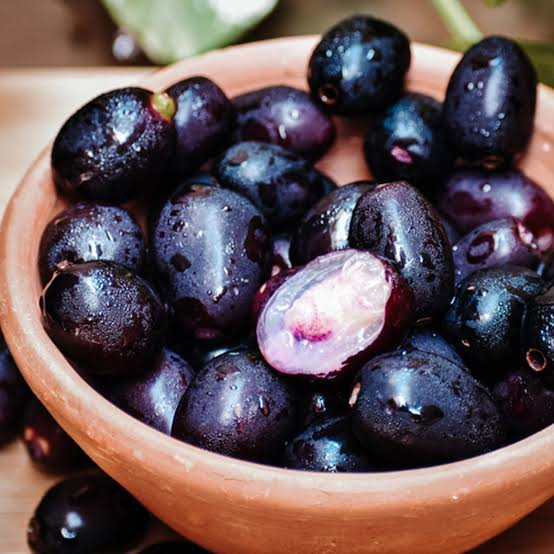
Its proper name is Syzygium cumini, and it’s originally from India, though you’ll find it across a lot of South and Southeast Asia now. The season is short — basically June through September — which might be part of why it never got the year-round fame that, say, bananas or apples have. In Ayurveda it’s not just the fruit that gets used either. The seeds, the bark, even the leaves show up in various home remedies. Honestly, the seed gets talked about almost as much as the fruit itself, which is a bit unusual when you think about it.
The Blood Sugar Thing
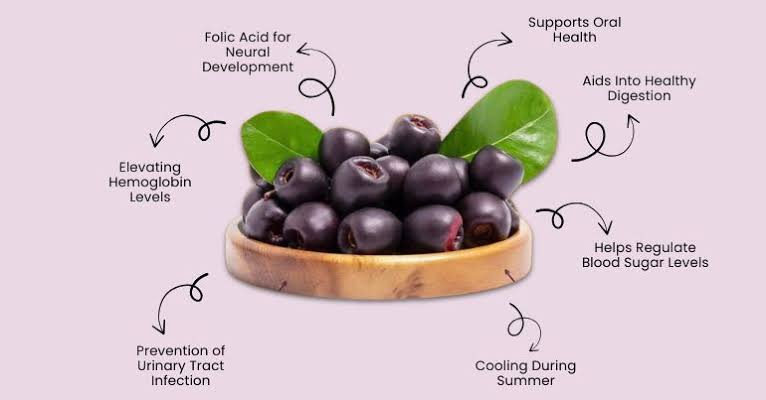
This is probably what jamun is best known for. There are natural compounds in the fruit and especially the seeds that seem to slow down how quickly starch converts into sugar in the body, which in theory means fewer of those sharp glucose spikes after eating. That’s exactly why you still see jamun seed powder sold in health stores, marketed toward people managing diabetes. It’s not a miracle cure by any stretch, but it’s one of those traditional remedies that keeps showing up because people notice a real difference.
Digestion and the Heart
Jamun has a decent amount of fiber in it, so it helps keep things moving and can ease bloating or that heavy, sluggish feeling after a meal. It also has a slightly astringent bite to it, which is part of why it’s been used for ages to settle an upset stomach. As for the heart — the potassium in jamun plays a role in keeping blood pressure steady, and the antioxidants help stop cholesterol from oxidizing, which is one of the things that leads to clogged arteries over time.
Skin, Immunity, and Even Focus
There’s vitamin C in there too, which helps with collagen (so, skin that holds up better) and gives the immune system a bit more firepower against everyday infections and colds. Less commonly mentioned is the effect on the brain — jamun has iron and some B vitamins that help oxygen get to the brain more efficiently, which some people link to sharper memory and better focus over time. Not something you’ll feel after one bowl, but worth knowing.
Where to Be Careful
It’s not something to go overboard with. If you’re already on medication for diabetes, eating a lot of jamun could push your blood sugar down further than you want, so that combination needs a bit of attention. Too many seeds can also cause constipation, thanks to the tannins in them, and biting into an unripe one can leave your mouth feeling raw. If you’re pregnant or dealing with kidney issues, it’s best to check with a doctor before making jamun a regular thing.
Bottom Line
Jamun isn’t trying to be the next big superfood with a fancy label and a marketing campaign. It’s just a fruit that’s been doing quiet, useful work for a long time — helping with blood sugar, digestion, heart health, and skin, all without much fuss. Fresh, juiced, or as seed powder, it’s still one of those simple, seasonal foods worth making room for, especially now that more people are looking back toward food-based ways of staying healthy in 2026.
About the Author