Healthy hair growth depends on several factors, including genetics, hormones, age, overall health and nutrition. While no single food can guarantee faster hair growth, maintaining a balanced and nutrient-rich diet can provide the building blocks the body needs to produce healthy hair.
Nutritional deficiencies can sometimes contribute to hair shedding or thinning. Therefore, paying attention to overall dietary quality can be an important part of maintaining hair and scalp health.
Also Read:Praful Hinge Bio Age, Height, Career, Family, In 2026
Protein for Stronger Hair
Hair is primarily made of a protein called keratin, making adequate protein intake important for normal hair production. People can obtain protein from eggs, fish, poultry, dairy products, beans, lentils, soy products, nuts and seeds.
Those following vegetarian or vegan diets can combine different plant-based protein sources to help meet their nutritional requirements.
Iron-Rich Foods
Iron deficiency can be associated with hair loss, particularly in people who are at increased risk of deficiency. Good dietary sources include lentils, beans, leafy green vegetables, meat, seafood and fortified cereals.
Plant-based sources of iron are better absorbed when eaten alongside foods containing vitamin C, such as citrus fruits, tomatoes, peppers or guava.
However, iron supplements should not be taken routinely without confirming deficiency with a healthcare professional.
Zinc for Hair and Scalp Health
Zinc plays a role in normal cell growth and tissue maintenance. Foods containing zinc include eggs, dairy products, meat, seafood, legumes, nuts and seeds.
Both inadequate and excessive zinc intake can cause problems, so obtaining zinc through a varied diet is generally preferable unless supplementation has been medically recommended.
Include Healthy Fats
Healthy fats provide essential fatty acids and help support overall nutrition. Foods such as walnuts, chia seeds, flaxseeds, avocados and fatty fish can be included as part of a balanced diet.
Fatty fish such as salmon, sardines and mackerel also provide omega-3 fatty acids and other nutrients.
Vitamins for Hair Health
Several vitamins contribute to normal bodily functions that are relevant to hair and skin. Fruits and vegetables provide vitamin C and other nutrients, while eggs, dairy products and fortified foods can provide various B vitamins.
Biotin is frequently marketed as a hair-growth supplement, but biotin deficiency is uncommon, and taking extra biotin does not necessarily improve hair growth in people who already get enough from their diet.
Vitamin D and Hair
Vitamin D is important for several functions in the body, and researchers have investigated its relationship with hair disorders. However, the relationship between vitamin D status and hair loss is complex.
Rather than taking high-dose supplements without medical advice, people concerned about deficiency can discuss testing and appropriate supplementation with a healthcare professional.
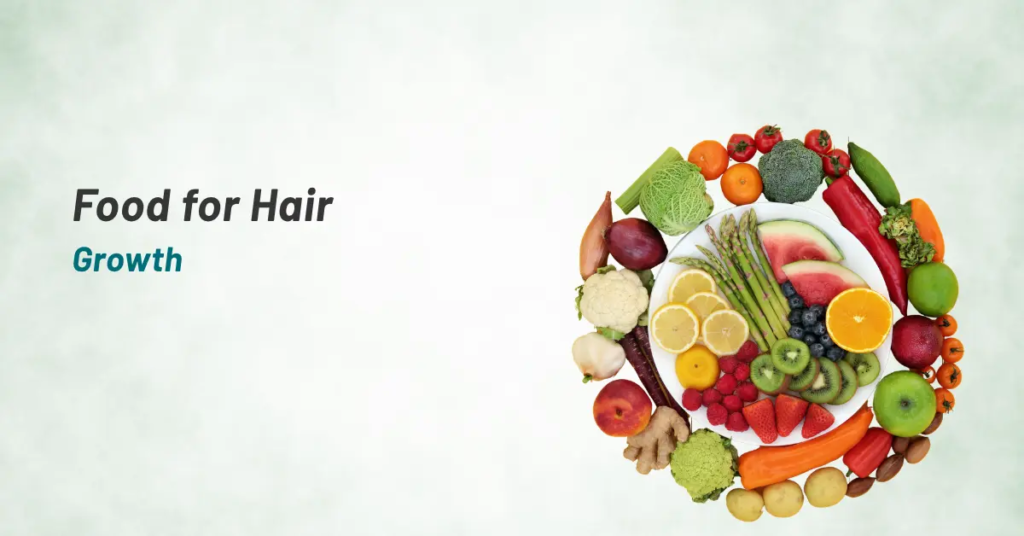
Foods That Can Be Part of a Hair-Friendly Diet
A practical hair-supportive eating pattern can include:
- Eggs and dairy products
- Fish and lean meats
- Lentils, beans and other legumes
- Spinach and other leafy greens
- Nuts and seeds
- Whole grains
- Colourful fruits and vegetables
- Avocados
- Soy and other protein-rich foods
The goal is not to rely on one “superfood” but to consume a varied diet containing adequate calories, protein and essential nutrients.
Stay Hydrated
Water does not directly make hair grow faster, but adequate hydration is important for overall health. Drinking enough fluids throughout the day can support normal bodily functions and help prevent dehydration.
Foods and Habits to Limit
A diet dominated by highly processed foods, excessive added sugar and inadequate protein may make it harder to meet nutritional requirements. Extreme dieting or rapid weight loss can also be associated with increased hair shedding in some people.
Instead of following restrictive “hair growth diets,” it is generally better to focus on balanced meals and sustainable eating habits.
When to See a Doctor
Sudden or significant hair loss should not automatically be attributed to diet. Hair shedding can have many causes, including iron deficiency, thyroid problems, hormonal changes, stress, certain medications, genetic hair loss and scalp conditions.
If hair loss is persistent, severe or accompanied by other symptoms, a dermatologist or healthcare professional can help identify the underlying cause. Blood tests may sometimes be recommended when a nutritional or medical deficiency is suspected.
Also Read: Faiz Baloch Bio Age, Height, Career, Family, In 2026
Conclusion
A nutritious diet can support normal hair growth and overall hair health, particularly when it provides sufficient protein, iron, zinc, vitamins and healthy fats. However, food alone cannot prevent every type of hair loss.
The best approach in 2026 remains a balanced diet combined with appropriate medical evaluation when hair shedding or thinning is persistent. Rather than relying on supplements or individual “miracle foods,” focus on consistent nutrition and identify any underlying health or nutritional problems with professional guidance.
About the Author