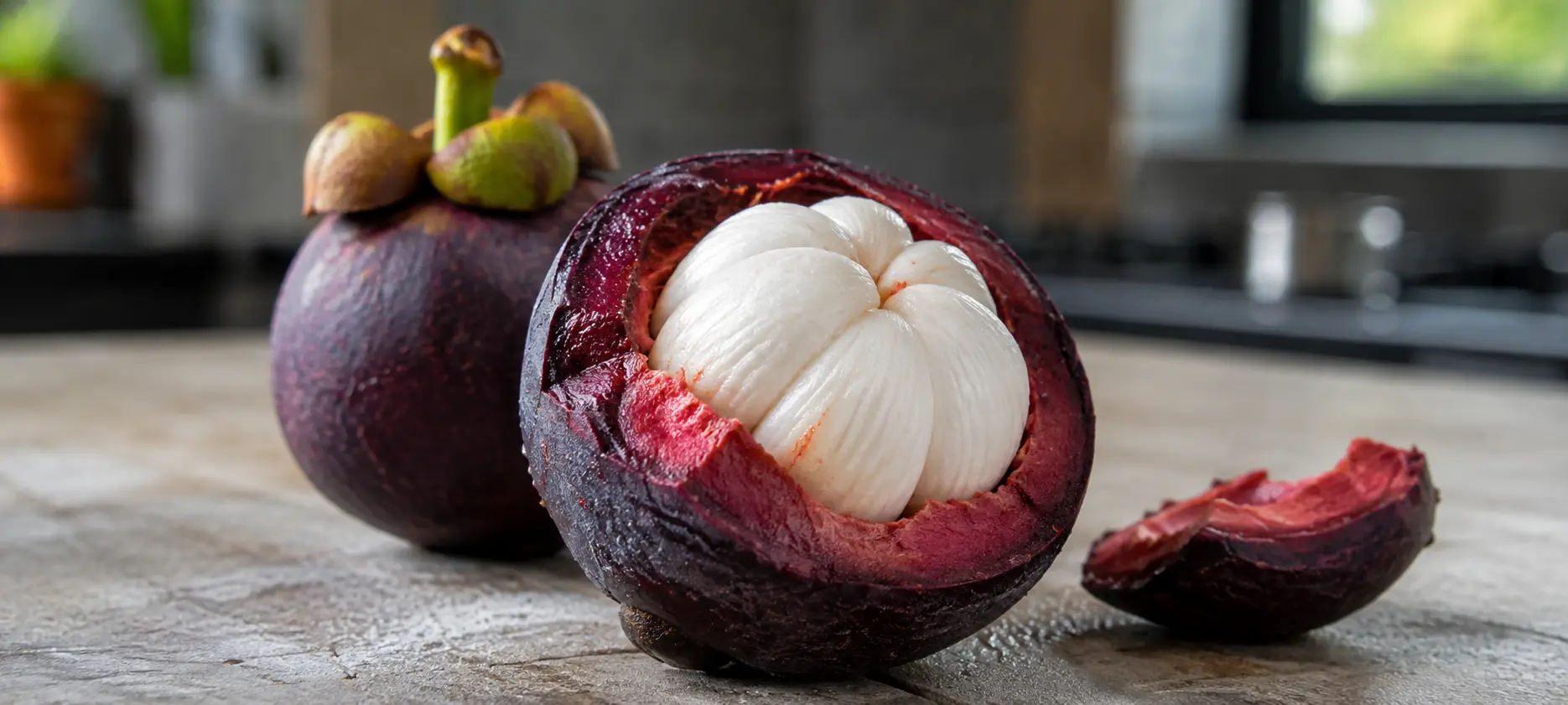
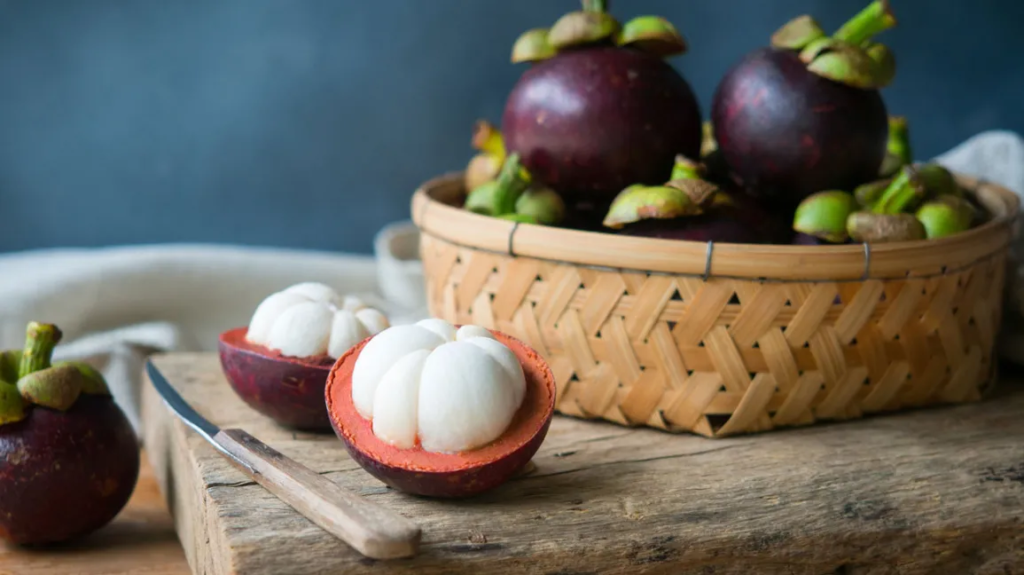
Mangosteen is a tropical fruit known for its sweet-tart flavor and juicy white flesh. It contains vitamin C, fiber and several plant compounds, particularly xanthones, which have antioxidant properties.
1. Rich in Antioxidants
Mangosteen contains xanthones and other polyphenolic compounds that have antioxidant activity. These compounds may help protect cells from oxidative stress.
2. Supports Immune Health
The fruit provides vitamin C and other antioxidant compounds that can contribute to normal immune function when included as part of a balanced diet.
3. Supports Digestive Health
Mangosteen contains dietary fiber, which can support regular bowel movements and healthy digestion.
4. May Support Heart Health
Its fiber, potassium and antioxidant compounds may contribute to cardiovascular health as part of an overall balanced eating pattern.
5. May Have Anti-Inflammatory Properties
Mangosteen’s xanthones have demonstrated anti-inflammatory activity in laboratory and experimental studies. However, more human research is needed to determine how significant these effects are from eating the fruit.
6. Supports Healthy Skin
Vitamin C contributes to collagen production and helps protect cells from oxidative stress. Including vitamin-C-rich fruits such as mangosteen can therefore support overall skin health.
7. Provides Essential Nutrients
Mangosteen provides several nutrients, including vitamin C, folate, manganese and potassium, although it is generally eaten in relatively small portions.
8. May Help Support Blood Sugar Balance
The fiber in mangosteen can slow digestion and contribute to better regulation of blood glucose after meals. However, mangosteen is still a naturally sweet fruit and should be consumed in reasonable portions.
9. May Support Brain Health
The antioxidant and anti-inflammatory compounds found in mangosteen are being investigated for potential protective effects on cells, including those involved in brain function. Human evidence is still limited.
10. Helps Add Variety to a Healthy Diet
Mangosteen can be enjoyed as a fresh fruit and provides a naturally sweet alternative to highly processed desserts and snacks.
How to Eat Mangosteen
You can enjoy mangosteen:
- Fresh as a whole fruit
- Added to fruit salads
- Mixed into yogurt
- Blended into smoothies
- Served chilled as a snack
- Combined with other tropical fruits
Things to Keep in Mind
Mangosteen is nutritious, but many strong health claims surrounding mangosteen extracts, supplements and concentrated juices are based on laboratory or preliminary research rather than established clinical evidence. The fresh fruit should be considered a nutritious food, not a treatment for disease.
Bottom Line
Mangosteen is a nutritious tropical fruit that provides fiber, vitamin C, potassium and antioxidant plant compounds such as xanthones. Regularly including it in a varied diet may support digestive, immune and overall health, while research continues into its potential antioxidant and anti-inflammatory effects.
Also read: https://amzn.to/4wpxv1h
About the Author