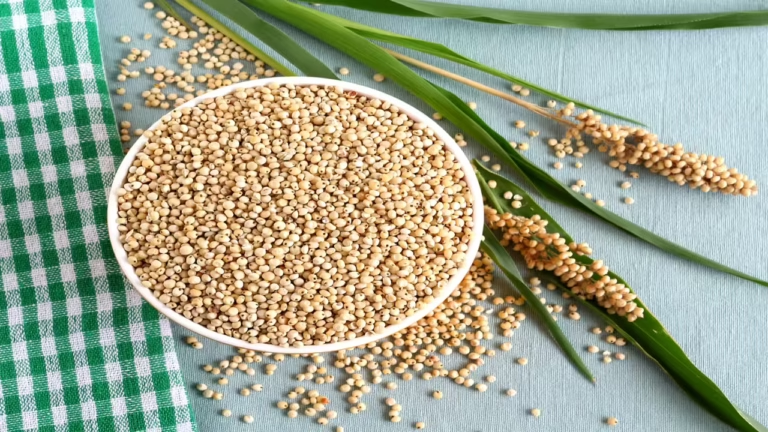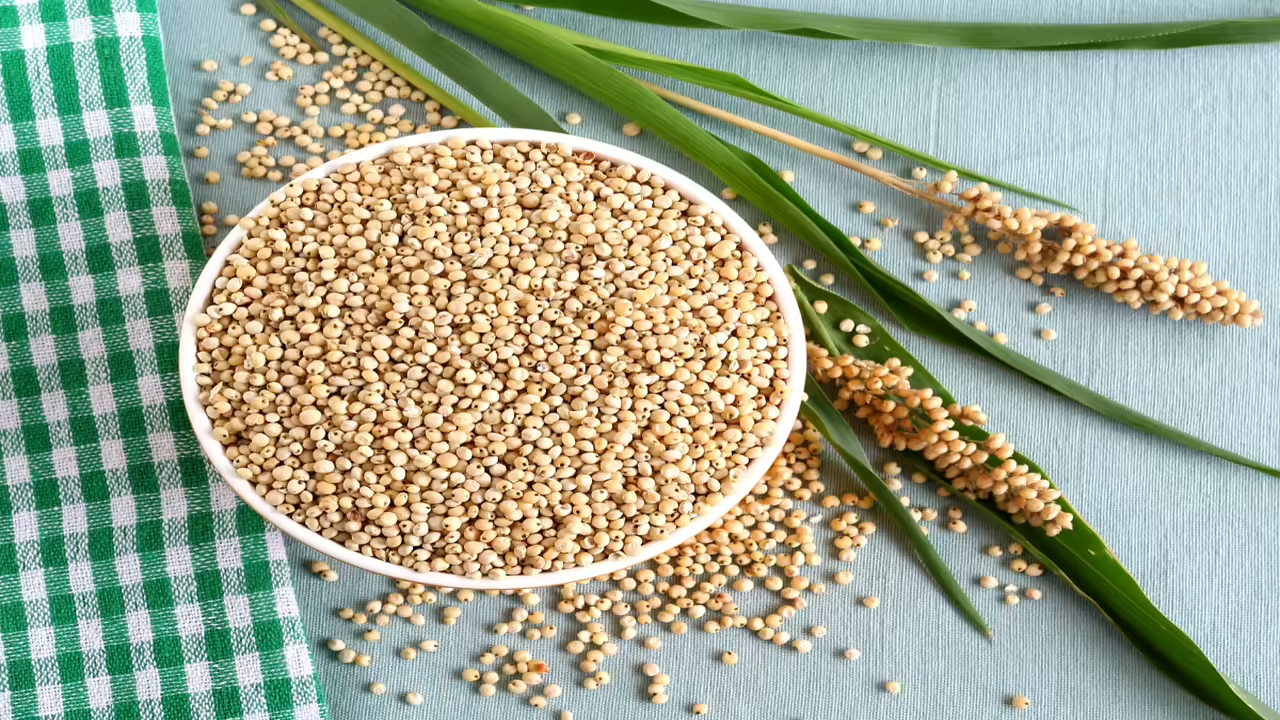

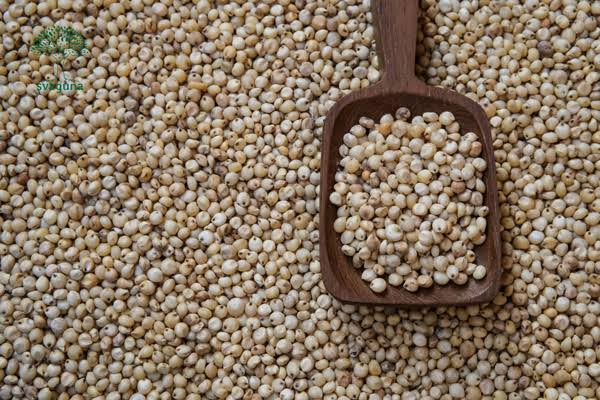
Jowar, also known as sorghum, is a nutritious ancient grain that has become increasingly popular as a healthier alternative to refined cereals. It is naturally gluten-free and provides complex carbohydrates, dietary fiber, plant-based protein, vitamins, minerals, and antioxidant compounds.
1. Supports Digestive Health
Jowar is a good source of dietary fiber, which helps promote regular bowel movements and supports healthy digestion. Including fiber-rich foods such as jowar in the diet may also help maintain a healthy gut environment.
2. Helps Maintain Stable Blood Sugar
Compared with many refined grain products, whole-grain jowar provides more fiber and complex carbohydrates. This can slow digestion and carbohydrate absorption, potentially helping with better blood sugar control when consumed as part of a balanced meal.
3. Supports Heart Health
The fiber, minerals, and antioxidant compounds found in whole-grain jowar can contribute to a heart-friendly diet. Replacing some refined grains with whole grains may also help support healthy cholesterol levels.
4. May Help With Weight Management
Jowar can be filling because of its combination of fiber, complex carbohydrates, and protein. Greater satiety may help reduce unnecessary snacking and support overall calorie management.
5. Provides Plant-Based Protein
Jowar contains more protein than many commonly consumed refined cereal products. Although it is not a complete protein source by itself, combining it with pulses, beans, dairy, eggs, nuts, or seeds can create a more balanced meal.
6. Rich in Antioxidants
Jowar contains various polyphenols and other antioxidant compounds. These substances help protect cells from oxidative stress and contribute to overall health.
7. Supports Bone Health
Jowar provides minerals such as magnesium, phosphorus, and iron, which play important roles in maintaining normal bones and supporting various metabolic functions.
8. Helps Support Energy Levels
As a whole grain, jowar provides complex carbohydrates that serve as an important source of energy. Its fiber content also contributes to slower digestion compared with highly refined carbohydrate foods.
9. Naturally Gluten-Free
Jowar is naturally gluten-free, making it a useful grain option for people who need to avoid gluten, including those with celiac disease, provided the product has not been contaminated with gluten during processing.
10. May Support Overall Metabolic Health
Regularly choosing whole grains such as jowar instead of highly refined grains can contribute to a diet rich in fiber and nutrients. This overall dietary pattern may support healthy blood sugar, cholesterol, body weight, and cardiovascular health.
How to Include Jowar in Your Diet
Jowar can be consumed in several forms, including:
- Jowar roti or bhakri
- Jowar porridge
- Jowar dosa or cheela
- Jowar upma
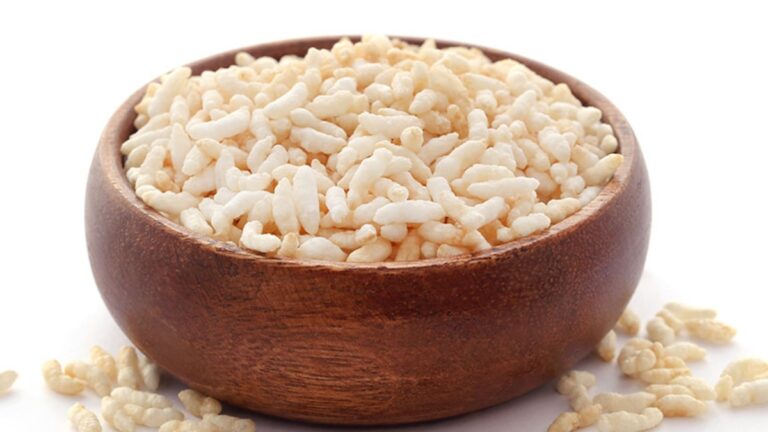
- Popped jowar as a snack
- Jowar flour in baked foods
- Cooked whole jowar added to salads or grain bowls
For a more balanced meal, pair jowar with vegetables and a protein source such as dal, beans, paneer, curd, eggs, or sprouts.
Things to Keep in Mind
Although jowar is nutritious, eating very large amounts at once may cause bloating or digestive discomfort, particularly if your usual diet is low in fiber. Increase fiber gradually and drink enough water. People with specific digestive conditions or dietary restrictions should choose the form and portion that suits them.
Bottom Line
Jowar is a nutrient-rich whole grain that can support digestive health, blood sugar management, heart health, satiety, energy production, and overall nutritional quality. Replacing some refined grains with whole-grain jowar can be a simple way to make the everyday diet more fiber-rich and nutrient-dense.
Also read: https://amzn.to/4wpxv1h
About the Author