Fat isn’t just something to avoid. It’s essential—your body actually depends on it. People worry about eating too much fat, sure, but going no-fat isn’t the answer, either. Healthy fats give you energy, help your cells work, help you absorb vitamins like A, D, E, and K, and keep your hormones on track. So ditching fat completely really doesn’t make sense for most people.
If you’re not eating enough fat, you’ll start to notice changes—like dry, rough skin. Your skin loses that protective layer without enough fat, so it starts looking dull and feeling scratchy.
But it’s not just about the way you look. Without fat, your body can’t absorb those fat-soluble vitamins. Even if you’re eating the right foods, if there’s no fat in your meals, you’re missing out on important nutrients, and over time, this adds up.
And what about energy? Fat packs more calories than carbs or protein, so if you cut it out, you might feel drained, like you can’t quite keep up.
Your brain needs fat, too. It uses certain fats as building blocks, so if you don’t get enough, you might notice your thinking gets foggy or your mood takes a dip.
Hormones? Fats help create and regulate them. Go super low on fat—especially with a low-calorie diet—and your whole body’s balance can get thrown off.
Let it go on long enough and your immune system starts to weaken, and you might find gaps in other nutrients your body’s craving.
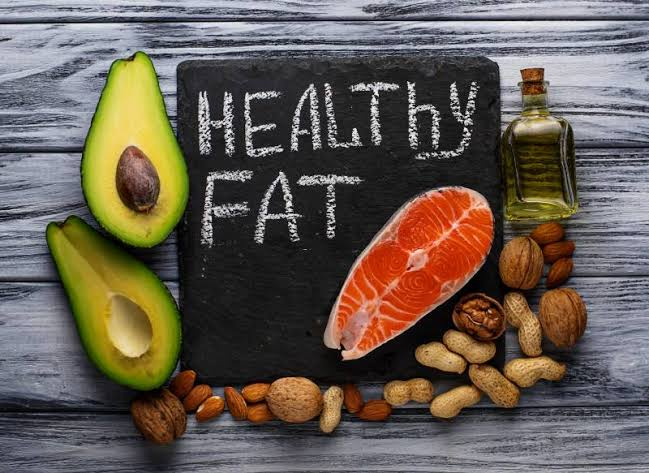
So what should you actually eat? Nuts, seeds, avocados, fatty fish, olive oil—just focus on real, healthy fats. Skip the processed stuff with trans fats.
Bottom line: Fat isn’t the enemy. Cutting it out completely can mess with your health. Keep healthy fats in your diet—they help your skin, your energy, your brain, your hormones, pretty much your whole body. If you’re not sure what’s best, or if you’ve been low-fat for a while and just don’t feel right, ask a registered dietitian or your doctor. They can help you figure out what works for you.
About the Author