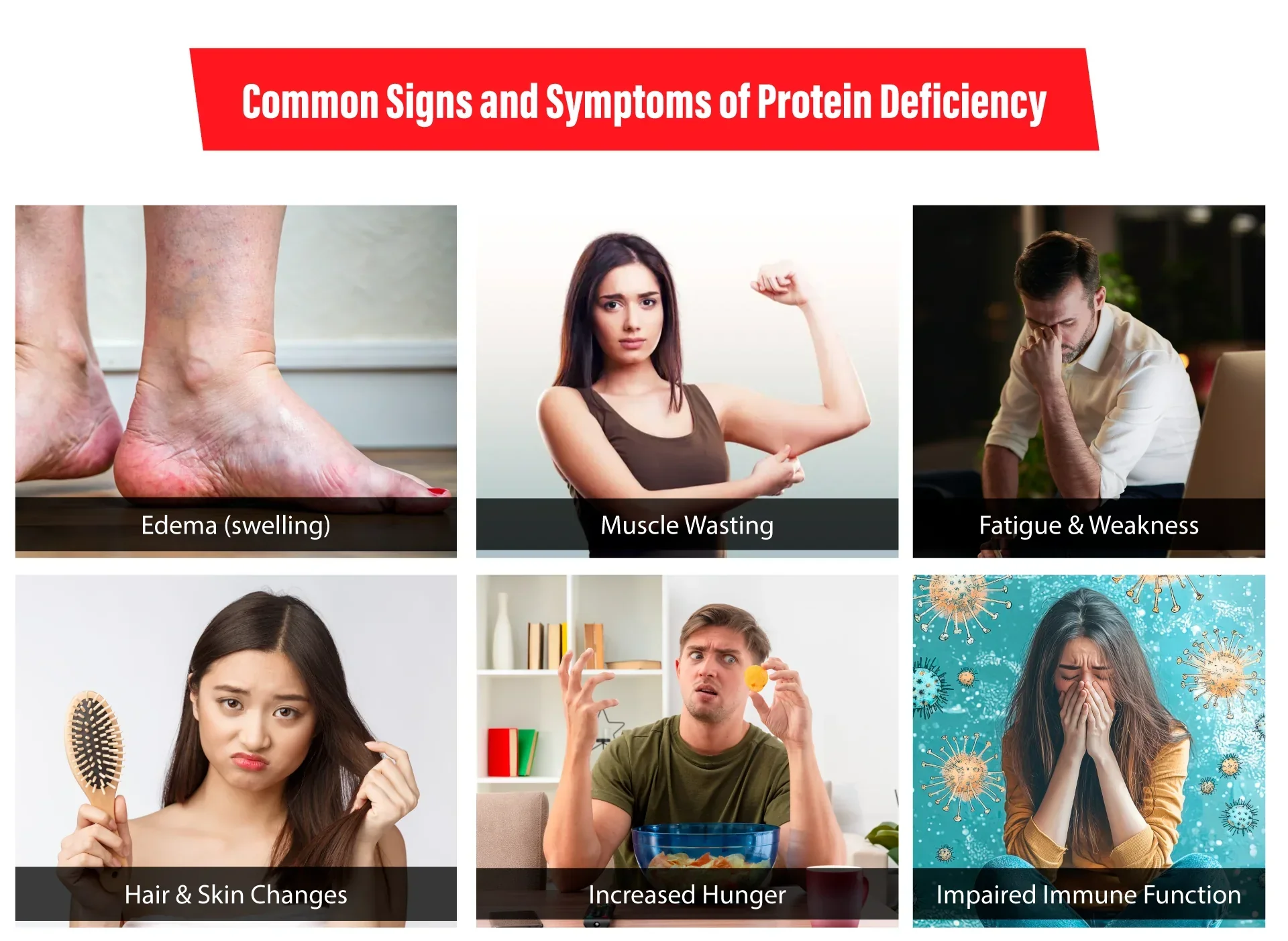

Protein deficiency is characterised by the body’s inability to get sufficient amounts of protein to satisfy nutritional requirements. Proteins help build and repair muscles, produce enzymes and hormones, provide an immune response, and maintain skin and hair and tissue regeneration.
Mild protein deficiency can result in some symptoms, while in the case of severe protein deficiency, there may occur serious complications. It is worth noting that some symptoms of protein deficiency are not characteristic of it; therefore, a medical checkup is necessary if you experience certain symptoms.
1. Muscle Wasting and Weakness
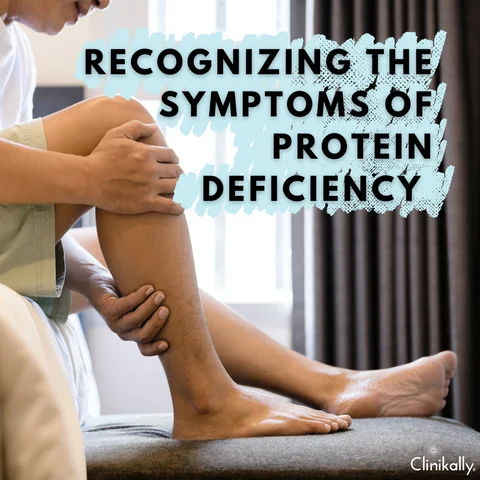
Probably one of the most significant signs of protein deficiency is gradual muscle wasting and weakening.
When the amount of protein in food is not sufficient for the body, it starts to break down muscle proteins to get amino acids. Elderly people may experience muscle wasting when protein consumption and physical activity are insufficient.
2. Persistent Fatigue
Unusually low energy levels are experienced due to malnutrition generally, such as lack of adequate protein.
However, there are many causes of fatigue; some of them include iron deficiency, vitamin B12 deficiency, thyroid issues, lack of enough sleep, and other medical conditions. Fatigue by itself cannot be used to diagnose protein deficiency.
3. Impaired Wound Healing
Protein contains amino acids that help in the building of tissues; thus, lack of it can impair normal wound healing processes.
Individuals who have recently undergone any form of injury, surgery or burns require more protein in their diet.
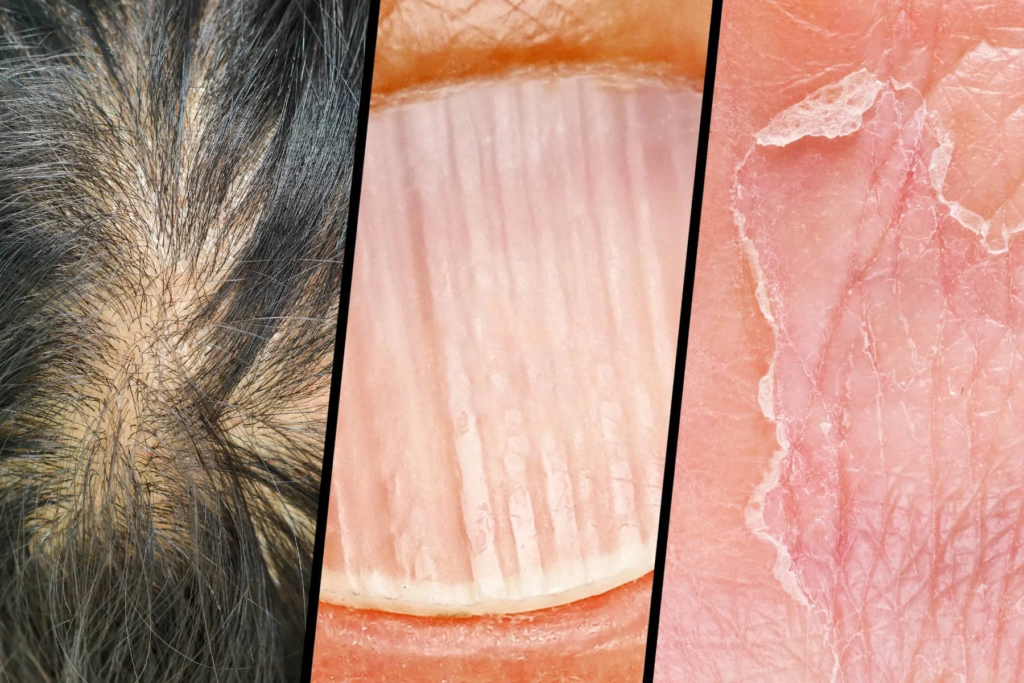
4. Hair Changes/Hair Loss
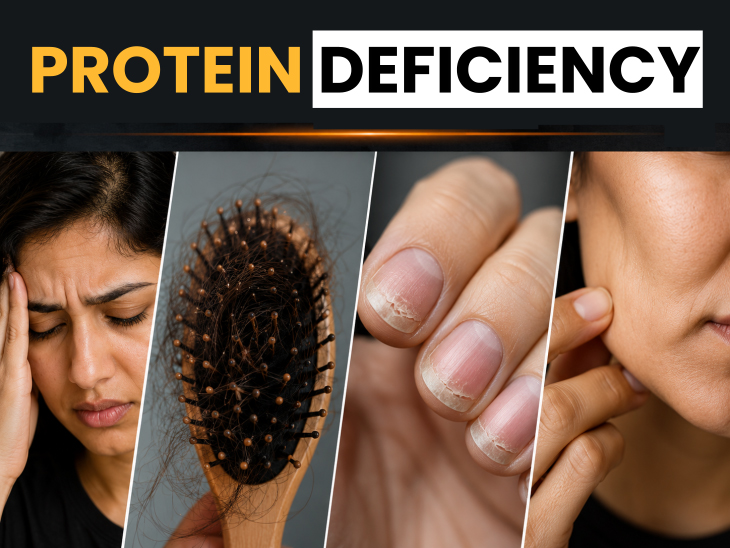
Hair is made of protein; hence, nutritional deficiencies, especially long-term and severe, can cause thinning, brittle hair, and increased hair shedding.
Hair loss does not necessarily indicate protein deficiency because there are other factors that can cause this condition, such as genetics, stress, hormonal imbalance, iron deficiency and thyroid problems.
5. Brittle Nails
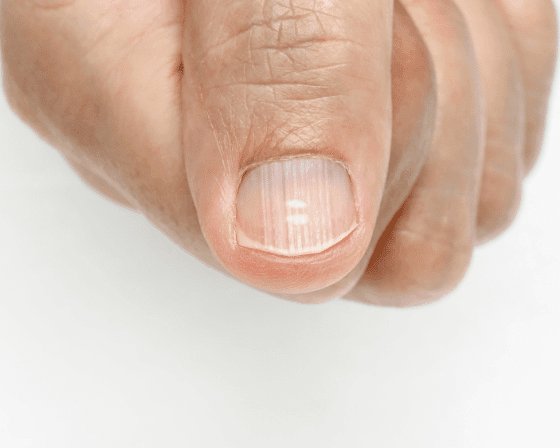
Nails are also made of a protein known as keratin; thus, poor nutritional status may cause some changes in them.
There are several reasons why individuals experience nail weakness, such as poor nutrition, repeated contact with water, old age and iron deficiency, among others.
6. Dry or Unhealthy-Looking Skin
Insufficient protein intake may cause problems in the proper formation and repair of the skin structure, which may lead to the development of dry or irritated skin.
While protein plays an important role in maintaining healthy tissue structures in the body, skin problems alone cannot determine a lack of protein.
7. Swelling/Edema

Swelling, especially in the lower parts of the body, such as legs and feet, may appear as a symptom of severe protein deficiency.
There are some proteins in the blood that help maintain the fluid balance in the body. If there is a severe protein deficiency, fluid may escape from the blood and start accumulating in tissues.
Since swelling may be caused by various other health conditions like kidney diseases, heart and liver problems, one should consult a doctor if this problem occurs.
8. Frequent infections
Various proteins and amino acids play an important part in forming the body’s defence system.
Protein deficiency may decrease immune responses; however, frequent infections may have many other causes.
9. Unintentional Weight Loss
The shortage of protein alongside insufficient calories leads to weight loss and muscle atrophy.
Unusual weight loss needs to be considered, particularly if there is poor appetite, weakness and digestive problems, among others.
10. Failure to Grow Properly in Children
For proper development in children, an adequate amount of protein together with sufficient nutrition is needed.
Protein energy malnutrition affects growth, muscular development and immunity. If there is poor growth observed in children, it is important that they are seen by a paediatrician rather than supplementing them with protein without evaluation.
11. Difficulties in Muscle Recovery after Workout
Protein gives the body the necessary amino acids, which help in muscle recovery after a workout. People who are constantly consuming insufficient protein can experience poor muscle recovery or maintenance.
Workout performance is also affected by carbohydrates, fluid, sleep and calorie consumption.
What Causes Protein Deficiency?
The most straightforward cause of protein deficiency is a lack of adequate consumption of protein or food itself. Nevertheless, a deficiency may happen due to the poor capacity of digestion, absorption, or utilisation of nutrients by the body.
One may have an increased risk due to the following factors – restrictive diet, malnutrition, some digestive problems, chronic diseases, old age, severe injuries, or high nutrition needs.
Plant-based diets do not necessarily lead to protein deficiency if well-structured. The latter may obtain sufficient amounts of protein from legumes, soy, grains, nuts, and seeds.
Protein Sources for Indian Diets
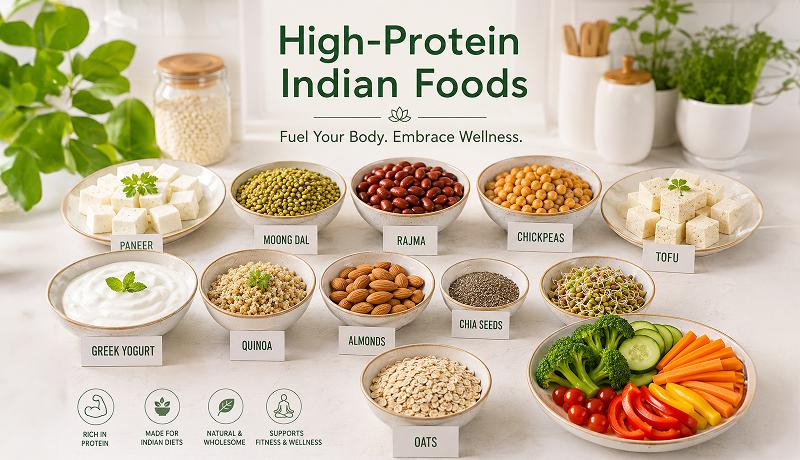
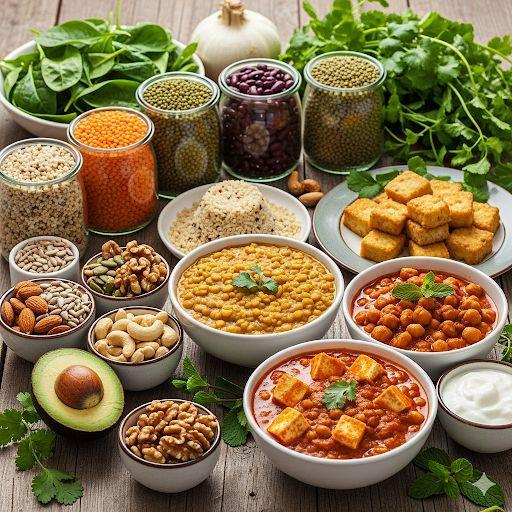
There are a lot of available protein sources for Indian diets. Dal, rajma, chana, soy, tofu, paneer, milk, curd, sprouts, peanuts, and nuts can be used as sources of protein in vegetarian diets.
Animal foods like eggs, fish, chicken, meat, and milk products can also be added.
Instead of relying on one source of protein, various protein sources may provide more different amino acids and other nutrients.
How Much Protein Do You Need?
Proteins are required in varying amounts based on body weight, age, physical activity, pregnancy, health and recuperation needs. Athletes, old-aged individuals and those suffering from illness will have different requirements than healthy individuals who are sedentary.
The consumption of very high amounts of protein does not necessarily make it healthier. Individuals having kidney problems or other illnesses will need personalised protein consumption.
When Should You Consult a Doctor?
Consult a physician if you experience problems like unexplained muscle loss, fatigue, swelling, recurring infections, wounds not healing and unexplained weight loss.
These symptoms can be evaluated by the doctor with respect to dietary habits and laboratory investigations to find out if it is due to nutritional causes or any other health problem.
My Personal Favourite
This is my favourite way, which is that protein should be distributed in the meals of the day and not consumed largely in one meal, especially at dinner.
In an Indian meal plan, different foods such as moong dal chilla and curd, rajma and rice or paneer and roti and vegetables will be sufficient to include protein in your diet without taking any supplements.
Conclusion
Protein deficiency may cause muscle wasting, weakness, slow healing of wounds, hair and skin problems, poor growth and, in extreme cases, even oedema and weakening of immunity.
However, these symptoms could be related to several other diseases as well. The best approach in 2026 is to maintain a healthy, balanced diet rich in protein and get a medical opinion if symptoms persist or are serious.
About the Author