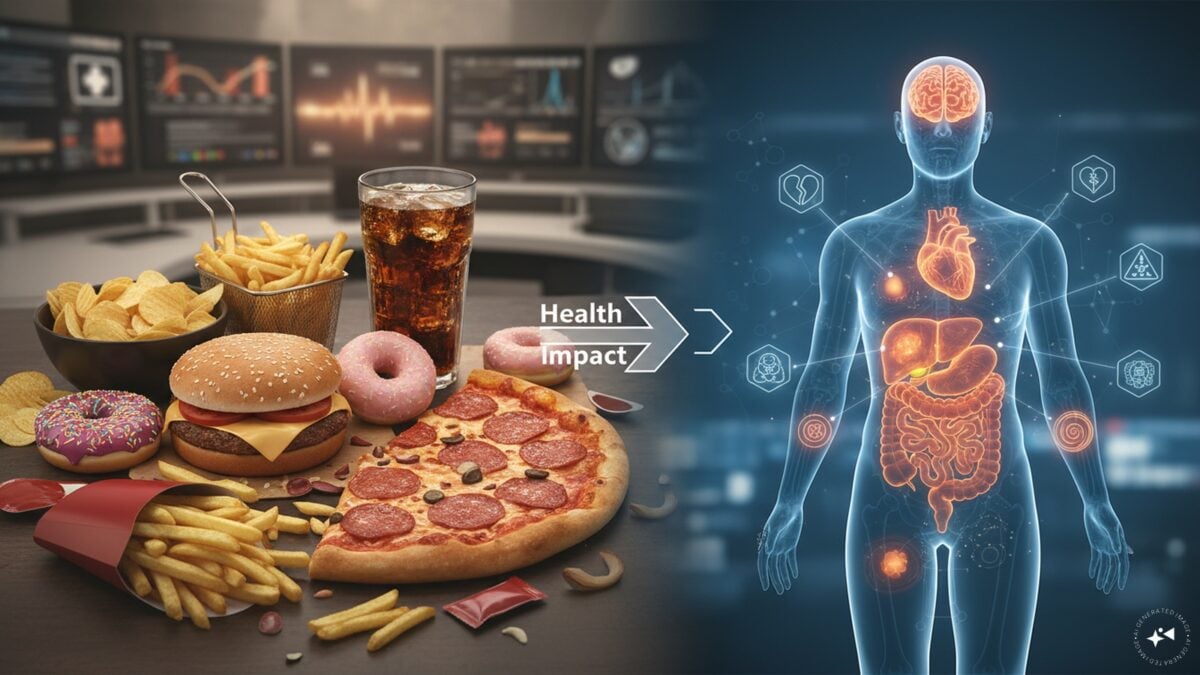

Foods that are low in fiber, high in salt, saturated fats, and added sugars are more likely to be junk and highly processed foods. Cutting back on them and opting for whole or less processed foods can aid in overall health.
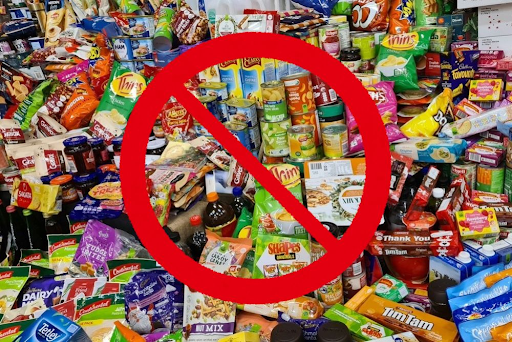
1. Maintains a healthy weight
Refraining from eating high-calorie snack foods often will help you control the total number of calories you eat and keep up a healthy weight. WHO suggests restricting the intake of foods with excess unhealthy fats, free sugars, and sodium.
2. Supports Heart Health
Foods that are processed and fast foods often have high levels of saturated fat and sodium. Eating less of these foods can contribute to a heart-healthy eating pattern, and reducing sodium can help keep your blood pressure healthy.
3. Helps Control Blood Sugar
Small amounts of foods and drinks containing a lot of added sugar (or free sugars) can help to limit excessive sugar consumption. Regularly consuming too much added sugar can contribute to weight gain, obesity and an increased risk of type 2 diabetes.
4. Improves overall diet quality
Switching to fruits and vegetables, whole grains, pulses, nuts and other foods with more nutrients boosts the intake of dietary fibre, vitamins, minerals and other foods that are good for you.
5. May decrease the long-term risk of disease
The low-excessive-salt, free-of-sugar, saturated fats, and trans fats dietary pattern is linked to the prevention of various non-communicable diseases, such as cardiovascular diseases and diabetes.
Conclusion
Refraining from or limiting junk food can lead to a better diet, weight management, heart health, and blood sugar control. Rather than restricting all foods, it is recommended that a balanced diet be achieved, consisting of fruits and vegetables, whole grains, pulses and other minimally processed foods.
About the Author