
Horse Gram Deserves a Comeback: Here’s Why It’s Still Worth Eating in 2026
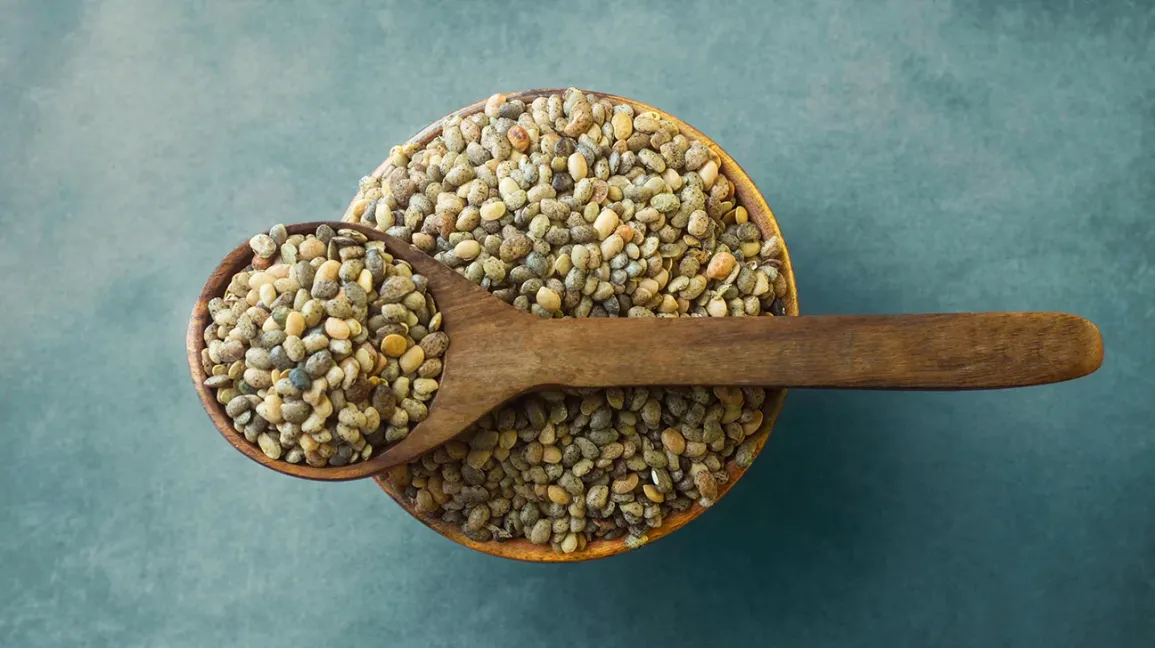
There’s a small legume sitting in the back of Indian grocery stores that most people walk right past. Horse gram. For decades it got written off as “poor man’s food” or something you feed livestock — which, honestly, says more about food snobbery than it does about the bean itself. Because if you actually look at what horse gram brings to the table, it’s kind of ridiculous that it isn’t more popular.
So what’s the big deal?
Horse gram — or Macrotyloma uniflorum if you want to get scientific about it — grows in the kind of dry, cracked soil where most crops would just give up. Farmers in India have relied on it for generations precisely because it doesn’t need much to survive. And yet this tough little seed happens to be dense with protein, fiber, iron, and calcium. It’s the plant equivalent of someone who looks unassuming but turns out to be surprisingly capable.
Where it really helps: blood sugar and the heart
Here’s the part that matters most for a lot of people right now. Horse gram has a low glycemic index, meaning it doesn’t send your blood sugar shooting up after a meal the way white rice or refined carbs might. For anyone managing diabetes, or just trying to avoid that mid-afternoon energy crash, that slow, steady digestion is a genuine advantage.
It’s not just about sugar, either. The fiber in horse gram grabs onto LDL cholesterol — the kind you don’t want too much of — and helps carry it out of the body. Meanwhile, the potassium in it does quiet work keeping blood pressure from creeping up. None of this is flashy, but it adds up over time.
It fights inflammation without you even trying
Chronic inflammation is behind a lot of the health issues people struggle with as they get older — joint pain, stiffness, that general achy feeling. Horse gram carries antioxidants that go after the free radicals responsible for a lot of that damage. It won’t replace medication for someone with arthritis, but as a dietary habit, it’s a small, consistent nudge in the right direction.
A decent trick for weight management
If you’ve ever tried to lose weight and found yourself hungry an hour after eating, you know how frustrating that cycle is. Horse gram’s protein-and-fiber combo keeps you fuller for longer, so you’re not reaching for a snack thirty minutes later. It’s not a miracle food, but it makes staying in a calorie deficit a lot less painful.
Bones, energy, and the stuff people forget about
Calcium, magnesium, and phosphorus in horse gram support bone strength — something that matters more than people realize until their knees start reminding them. And the iron content helps your body make hemoglobin, which is just a fancy way of saying it helps you not feel wiped out by 3 p.m.
But don’t go overboard
Like most good things, horse gram has limits. Eat too much and you might deal with bloating or gas — the fiber content is no joke. It also contains compounds that can mess with mineral absorption or thyroid function if you’re eating it excessively, and anyone on blood thinners or diabetes medication should run it by a doctor first.
At the end of the day, horse gram isn’t some trendy new discovery — it’s an old, humble ingredient that’s finally getting the recognition it earned a long time ago. Toss it into a soup, grind it into a chutney, or let it simmer in a stew. However you eat it, it’s doing more for you than its plain, unglamorous appearance would ever suggest.
About the Author