Loan DSA Partner in India: Registration, Commission in 2026
Somewhere between a small shopkeeper who needs working capital and a bank sitting on lending targets, there’s a gap. Someone has to bridge it. That someone is a DSA — a Direct Selling Agent — and in 2026, this role has quietly become one of India’s most accessible ways to earn without a fixed job.

Who Is a DSA, Really?
A DSA isn’t a bank employee. Think of them as a trusted middleman who connects people who need loans with lenders who want reliable customers. You’re not selling a product off a shelf — you’re guiding someone through paperwork, explaining eligibility, and following their file until the money actually lands in their account. No banking degree required. Just patience, basic communication skills, and honesty.
The day-to-day looks like this: finding people who need personal, business, or home loans; understanding their income and purpose; collecting KYC and financial documents; submitting everything through a bank’s system or a partner platform; and staying on top of the application until disbursal. Only then does your commission kick in.
Who Can Actually Do This Job?
Almost anyone. Students over 18, retired professionals, real estate agents, shop owners, freelancers, salaried employees, and financial advisors have all found their way into DSA work. There’s no rigid entry barrier, which is exactly why so many people are searching for how to register as one this year.
What you’ll need to get started is refreshingly minimal — Aadhaar, PAN, a bank account, address proof, a photo, a working phone or laptop, and a basic understanding of loan documentation. No office required. Your kitchen table works just fine.
Getting Registered, Step by Step
Registration isn’t complicated, but it does follow a sequence. First, pick a lender or a multi-lender platform to register with. Then fill in your basic details — name, city, contact information. Next comes KYC verification, where you upload your identity and address proofs, sometimes along with a cancelled cheque.
Once that clears, you’ll sign a DSA agreement outlining your commission structure, responsibilities, and code of conduct. After approval, you’re issued a unique DSA code that tracks every application and payout tied to your name. From there, you’re free to start sourcing clients. The whole process typically wraps up within a few days, faster if you go through a partner platform that handles the backend for you.
How the Money Actually Flows
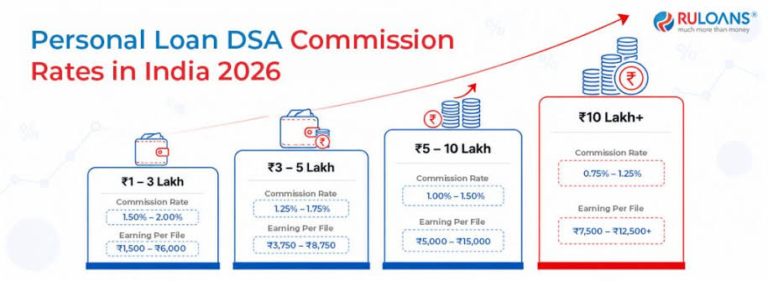
Commission is paid only after a loan is disbursed — not when someone merely applies. Rates differ by product; personal loans often pay a higher percentage than home loans, while business loan commissions depend heavily on the applicant’s profile.
The payout journey moves through several checkpoints: application, eligibility check, document verification, approval, disbursal, and finally, your commission. Depending on the loan type, this can take anywhere from a few days to a few weeks.
What makes this career genuinely sustainable, though, is repeat business. Customers who trust you once tend to return for top-up loans, balance transfers, or new credit needs — turning a one-time transaction into a long-term income stream.
Platforms like Choice Connect add another layer of convenience, letting DSAs access multiple lenders under one roof instead of juggling separate agreements — which, in 2026’s crowded lending market, can make a real difference to how fast you grow.
About the Author