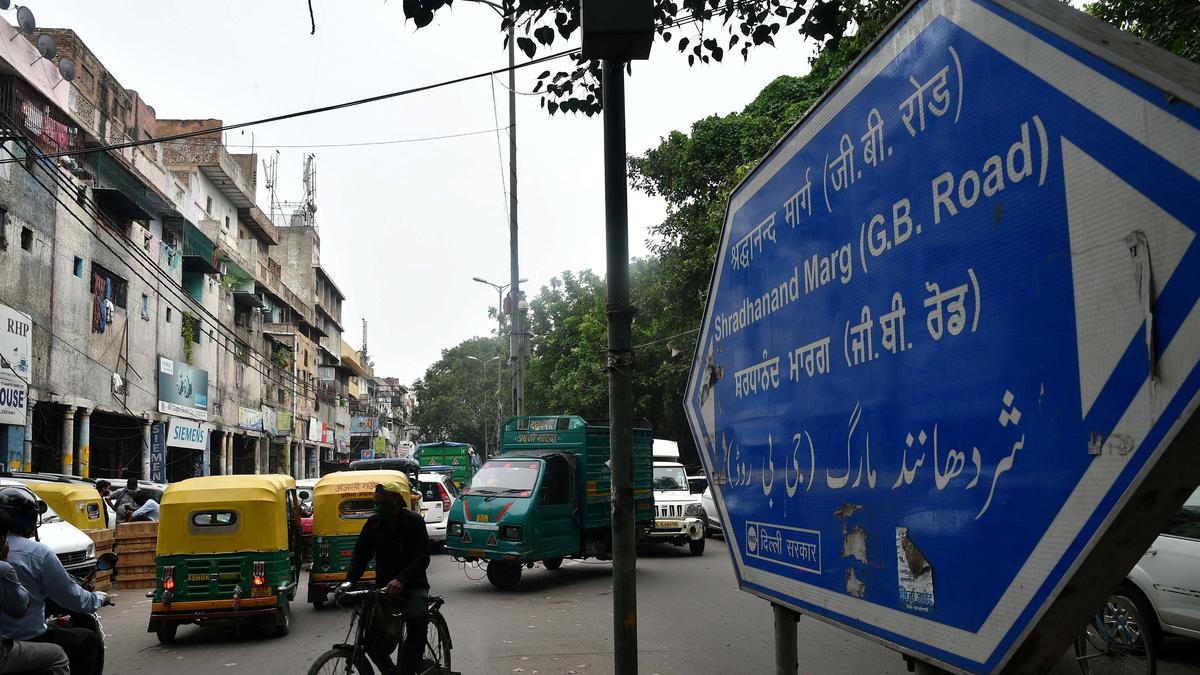

GB Road, officially known as Swami Shraddhanand Marg, is one of Delhi’s most well-known and controversial neighbourhoods. Located near Ajmeri Gate, Paharganj and New Delhi Railway Station, the area has historically been associated with the city’s red-light district.
But life in GB Road is much more complicated than its popular reputation suggests. Behind the headlines are thousands of workers, residents, shopkeepers and families living and working in a densely populated urban neighbourhood.
A Brief History of GB Road
GB Road has a long history dating back to the colonial period. The area became associated with commercial sex work over many decades and eventually developed into one of India’s best-known red-light districts.
The road was renamed Swami Shraddhanand Marg, although the old name, GB Road, remains much more commonly used.
Today, the area contains a mixture of wholesale markets, small businesses, residential spaces and brothels, making it more than simply a red-light district.
What Is Daily Life Like?
Life in the area can be extremely crowded and challenging.
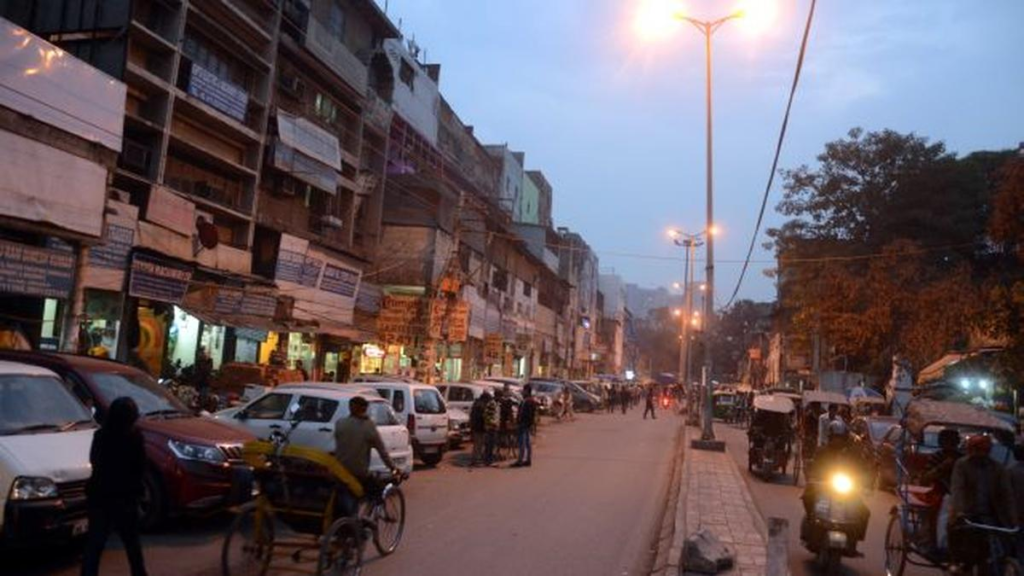
The neighbourhood has narrow lanes, old multi-storey buildings, busy markets and heavy pedestrian traffic. Many buildings serve multiple purposes, with commercial establishments occupying lower floors and residential or other spaces above.
For people living there, everyday life involves the same basic activities found elsewhere in Delhi—working, shopping, preparing food, sending children to school and managing households—but within a particularly difficult social environment.
Women Working in the Area
Women involved in sex work form an important part of GB Road’s population.
Their circumstances vary considerably. Some enter the profession because of poverty, lack of employment opportunities or family circumstances, while others may be victims of trafficking, coercion or exploitation.
It is therefore important not to assume that everyone working in the area has the same story or circumstances.
Many women face challenges involving social stigma, financial insecurity, violence, health concerns and limited access to opportunities outside the industry.
Families and Children
One of the less visible aspects of GB Road is the presence of families and children.
Some women working in the area are mothers and live with or support their children. Organisations and community groups have worked to provide children with access to education and opportunities outside the environment of the red-light district.
For many families, education is seen as one of the most important ways to create a different future for the next generation.
The Wholesale Market
GB Road is also an important commercial and wholesale market area.
Businesses dealing in machinery, automobile parts, hardware and other goods operate around the locality. During the day, the streets can therefore look more like a busy commercial market than the stereotypical image associated with the area.
This commercial side is an important part of the neighbourhood’s economy.
Exploitation and Human Trafficking
One of the most serious concerns associated with the area is human trafficking.
Authorities and non-governmental organisations have conducted operations to identify and rescue people who may have been trafficked or forced into sex work.
However, the distinction between consensual adult sex work and trafficking is important. Not every person working in the area is necessarily a trafficking victim, and treating everyone as such can erase their individual circumstances and rights.
Health and Social Challenges
People living and working in GB Road can face significant barriers to healthcare and social services.
Some of the major challenges include:
- Social stigma and discrimination
- Limited financial security
- Violence and exploitation
- Access to healthcare
- Mental and emotional stress
- Housing difficulties
- Children’s education
- Difficulties finding alternative employment
Community organisations have played an important role in providing healthcare, counselling, education and legal assistance.
The Police and Administration
GB Road has historically required significant police presence because of concerns involving trafficking, exploitation, violence, illegal activities and public safety.
Authorities have periodically conducted inspections and enforcement operations, while social organisations have pushed for better protection and rehabilitation measures.
The challenge is balancing law enforcement with the rights and safety of adults working in the area.
What Visitors See
A person passing through GB Road during the day will encounter shops, mechanics, wholesalers, street vendors, pedestrians and traffic alongside the buildings associated with the red-light district.
The atmosphere changes at night, when the area’s sex-work economy becomes more visible.
However, it is important to remember that this is also a residential and commercial neighbourhood. People live there who have nothing to do with the sex industry.
The Human Reality
Perhaps the biggest misconception about GB Road is that it can be understood simply as a place of prostitution.
In reality, it is a complex urban community shaped by poverty, migration, commerce, gender inequality, exploitation, housing pressures and decades of social stigma.
The women working there should not be reduced to their occupation. Many have families, aspirations and personal histories that are largely invisible to outsiders.
GB Road Today
GB Road continues to be one of Delhi’s most socially complex neighbourhoods. Its future involves questions about urban redevelopment, rehabilitation, women’s rights, trafficking prevention, healthcare, housing and employment opportunities.
Understanding GB Road requires looking beyond its reputation and recognising the people who live and work there.
Behind the famous name is not simply a red-light district, but a dense Delhi neighbourhood where commerce, family life, poverty, survival and social stigma exist side by side.
Also read: https://amzn.to/4wpxv1h
About the Author