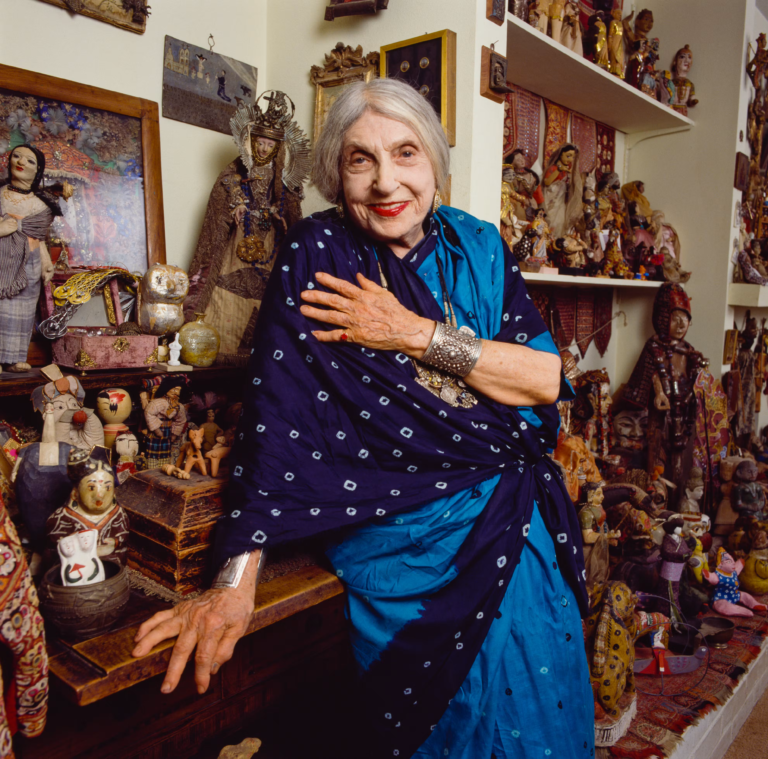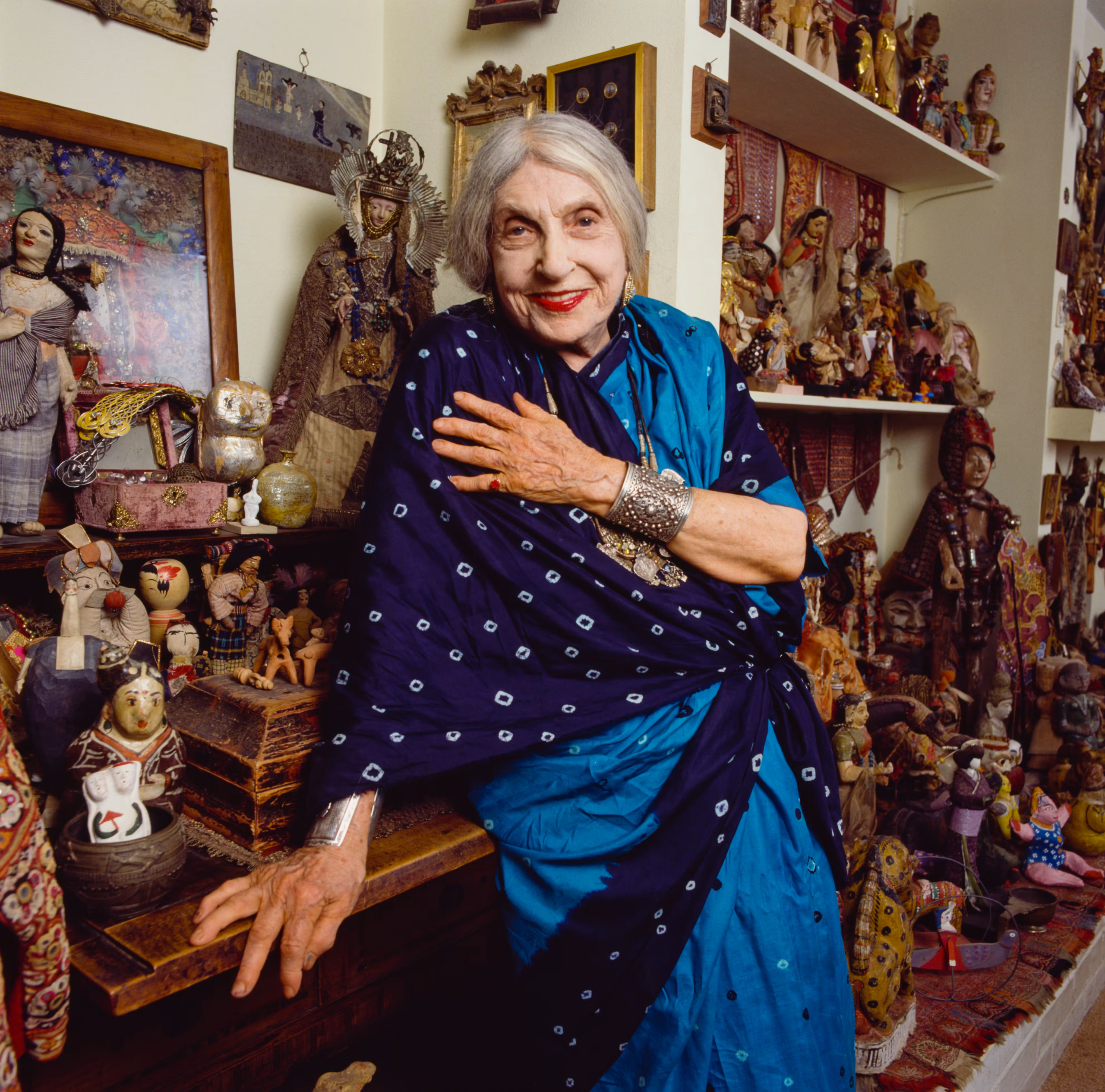

Titanic is often associated with the character of Rose, who was an elderly woman and a fighter. Yet not many people know about Beatrice Wood, the American artist and bohemian, who is said to have inspired some traits of what is now known as the elderly Rose played by Gloria Stuart. Wood, however, has led a remarkable life of experimentation in art and love as well as an obsession with India.
Beatrice Wood became one of the leading artists engaged in the making of ceramics, and her personality was as fulfilling as her art. Meeting her at the age of 104 was like discovering the secret of a lady who had no respect for public opinion.
An Artist Who Preferred to Go Her Own Way
Beatrice Wood was born into a rich family in New York, and instead of leading the boring life of a lady of her status, she went to Europe to become an artist and met lots of significant figures in art in her life.
Her experiences included encounters with painter Claude Monet, theatrical performer Sarah Bernhardt, and dancer Isadora Duncan. She also became associated with Marcel Duchamp and writer Henri-Pierre Roché. Her connections to the Dada movement eventually earned her the playful nickname “Mama of Dada,” although she preferred to describe herself as someone who had simply been close to the movement’s personalities.
Wood later became renowned for her lustrous, iridescent ceramics. Despite the recognition she received, she remained refreshingly informal, often insisting that she was a potter rather than an artist of grand distinction.
A Lifelong Love Affair with India
India became an important part of Wood’s life, particularly from her sixties onward. Her interest grew through the Theosophical Society and the writings of Annie Besant. She subsequently encountered influential Indian personalities, including Rukmini Devi Arundale and Jiddu Krishnamurti.
Wood embraced Indian clothing and jewellery with enthusiasm. Saris became a defining feature of her personal style, and she wore them for decades. Her appreciation of traditional ornaments sometimes surprised people unfamiliar with her unconventional taste.
She was equally passionate about India’s folk-art traditions. At a time when industrial products and synthetic materials were becoming increasingly popular, Wood travelled through villages, photographing traditional crafts and artistic practices that she feared might disappear. She believed these objects represented an important cultural inheritance deserving greater appreciation.
Her own pottery was exhibited in India during the 1960s, following interest from Indian handicrafts advocate Kamaladevi Chattopadhyay. This professional connection strengthened Wood’s relationship with the country.
Love, Independence and Unanswered Questions
Wood’s personal life was as unconventional as her artistic career. She recalled falling in love with an Indian scientist whose conservative family circumstances reportedly made marriage difficult. Although she never publicly disclosed his identity, the relationship remained an important emotional memory.
Her reflections on romance were characteristically candid. She acknowledged that the men she loved were not necessarily the men she married, expressing both humour and regret about relationships that never became permanent partnerships.

After her final visit to India in 1972, Wood remained in California. She continued cherishing the country through her collection of saris, jewellery, memories, and friendships.
The Meaning of Freedom
Wood at 104 remained a woman with an irrepressible sense of humor and unmistakable joie de vivre. She loved chocolate, attention, and talking to young people. Her independence was the thing she valued most of all, though.
She remembered leaving her comfortable family home with only a small amount of money because she wanted to live on her own terms. Poverty brought difficulties, but she considered freedom worth the sacrifice.
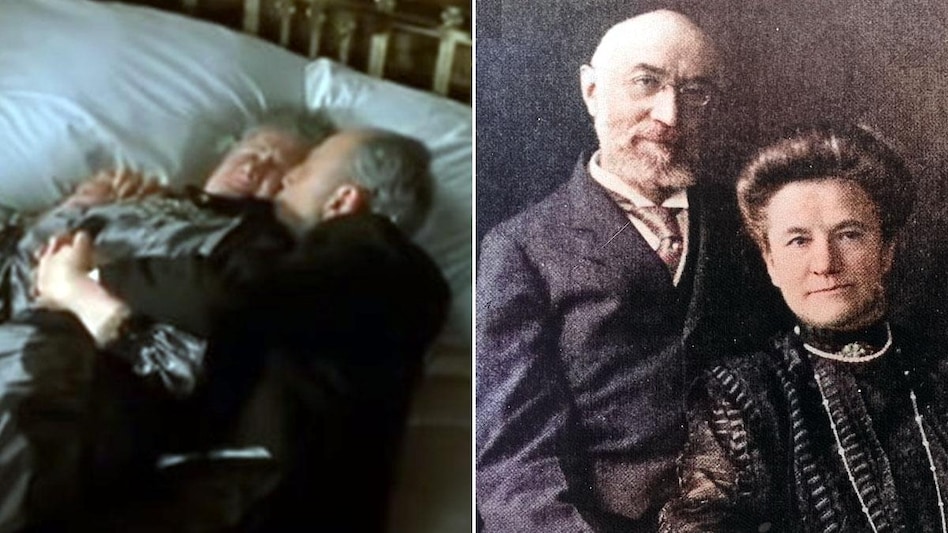
When Titanic reached its premiere, director James Cameron and Gloria Stuart reportedly arranged for her to see a video of the film. Wood declined, explaining that she did not wish to revisit sadness so late in life.
Beatrice Wood died in 1998, leaving behind an extraordinary artistic legacy. Her story reaches beyond the popular comparison with Rose: it celebrates a woman who pursued creativity, embraced unfamiliar cultures, and refused to surrender her individuality to age or convention. Her life reminds us that adventure, curiosity, and the desire for freedom need not fade with time.
About the Author