
Amrita Pritam remains one of the most influential literary voices in modern Indian literature. Known for her deeply emotional poetry, powerful novels, and fearless exploration of women’s experiences, she created works that continue to resonate with readers across generations. The phrase Grooves of My Soul refers to an essay reflecting on the personal connection readers develop with her poetry and the memories, emotions, and experiences her writing brings to life.
In 2026, her literary legacy continues to inspire readers who seek to understand love, loss, identity, freedom, and the lasting effects of historical events.
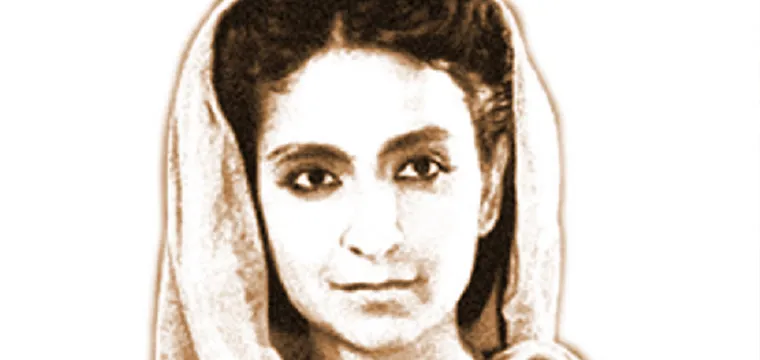
Who Was Amrita Pritam?
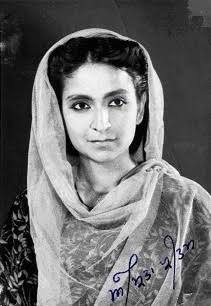
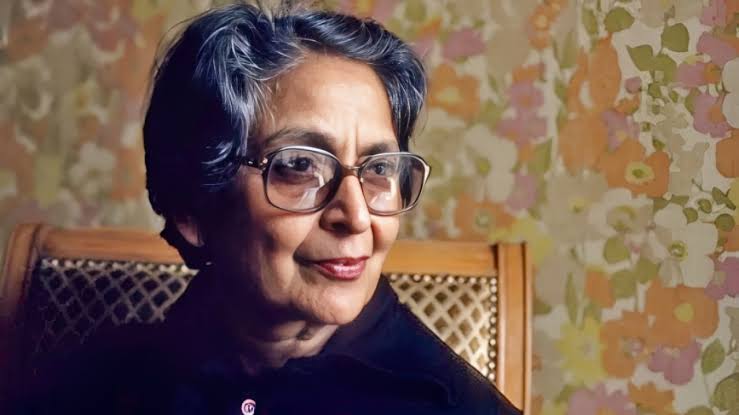
Amrita Pritam was a celebrated Indian poet, novelist, essayist, and feminist writer born on 31 August 1919 in Gujranwala, in present-day Pakistan. She wrote primarily in Punjabi and Hindi and became one of the most prominent female literary figures of the twentieth century.
Her writing frequently explored love, loneliness, social injustice, women’s independence, and the emotional consequences of Partition. She gained recognition for her ability to express complicated human emotions through accessible yet powerful language.
During her long literary career, she produced more than a hundred books, including poetry collections, novels, essays, and autobiographical works. Her writing has been translated into several languages, allowing readers across different cultures to appreciate her literary contributions.
What Does “Grooves of My Soul” Mean?
Grooves of My Soul is associated with an essay by Monita Soni titled Amrita Pritam: She Writes on the Grooves of My Soul. The essay reflects on how reading Pritam’s poetry can awaken memories, deepen self-understanding, and create an intimate connection between a reader and a writer.
The phrase suggests that literature can leave lasting impressions on the human mind and heart. Much like grooves carved into a surface, powerful words can become part of a person’s inner life, influencing how they remember their past and understand their emotions.
Through her poetry, Amrita Pritam often gives readers a language for feelings that are difficult to express. Her writing can evoke memories of childhood, family relationships, heartbreak, longing, and personal transformation.
Amrita Pritam’s Literary Journey
Amrita Pritam began writing at a young age. Her first collection of poetry was published when she was still a teenager. The early loss of her mother deeply influenced her emotional world and contributed to the introspective quality of her writing.
As her career developed, she became an important voice in Punjabi literature. She challenged conventional social expectations and explored themes that were often considered controversial, particularly women’s autonomy, romantic relationships, and personal freedom.
Her experiences during the Partition of India in 1947 became another defining influence on her literary work. Having lived through the upheaval and displacement associated with Partition, she expressed the suffering of ordinary people through poems and stories that continue to hold historical and emotional significance.
The Influence of Partition on Her Writing
The Partition of India in 1947 was one of the most devastating events in Amrita Pritam’s life. Born in what is now Pakistan, she eventually moved to Delhi amid the upheaval that accompanied the division of the subcontinent.
Her celebrated poem Ajj Aakhaan Waris Shah Nu is a deeply moving response to the violence and suffering experienced by Punjab during Partition. Addressing the historic Punjabi poet Waris Shah, Pritam expresses grief over the destruction of communities and the pain endured by women and families.
The poem became one of her best-known works because it transformed a historical tragedy into an expression of collective mourning. It remains an important literary reflection on displacement, violence, and the human cost of political conflict.
Major Works of Amrita Pritam
Some of Amrita Pritam’s most significant literary works include:
- Pinjar: A powerful novel about a woman whose life is transformed by the violence and social divisions surrounding Partition. It explores identity, gender, suffering, and survival.
- Rasidi Ticket: Her autobiography, known in English as The Revenue Stamp, offers a candid account of her life, relationships, literary journey, and experiences with social expectations.
- Sunehade: A celebrated Punjabi poetry collection that received the Sahitya Akademi Award.
- Kagaz Te Canvas: A poetry collection that received the Jnanpith Award in 1982.
- Ajj Aakhaan Waris Shah Nu: Her iconic poem mourning the suffering of Punjab during Partition.
These works reveal her ability to combine personal experiences with wider social and historical concerns.
Amrita Pritam’s Views on Love and Relationships
Love was one of the central themes of Amrita Pritam’s writing. Rather than presenting love solely as a romantic ideal, she explored its contradictions, emotional intensity, uncertainty, and capacity to transform individuals.
Her personal life also attracted considerable attention. Her first marriage to Pritam Singh eventually ended, and her emotional attachment to poet Sahir Ludhianvi became a significant part of her personal story. She later shared a long companionship with artist Imroz, who supported her creative life.
Her autobiography discusses aspects of these relationships and reflects her willingness to speak openly about experiences that challenged the social conventions of her time.
Through her writing and life choices, Pritam questioned the idea that women should suppress their desires or define themselves entirely through marriage and family expectations.
Awards and Literary Achievements
Amrita Pritam received several major honours during her career, recognising her contribution to Indian literature.
- Sahitya Akademi Award: Received in 1956 for her Punjabi poetry collection Sunehade.
- Padma Shri: Awarded in 1969 for her contribution to literature.
- Jnanpith Award: Received in 1982 for her literary achievements, particularly associated with Kagaz Te Canvas.
- Padma Vibhushan: Awarded in 2004, recognising her distinguished contribution to literature and education.
She became the first woman to receive the Sahitya Akademi Award for Punjabi literature, marking an important milestone in the recognition of women writers in India.
Why Amrita Pritam Still Matters in 2026
Amrita Pritam’s writing continues to matter because the questions she explored remain relevant. Her work examines how individuals respond to grief, social expectations, displacement, and the desire for independence.
Her poetry also demonstrates how literature can connect personal experiences with collective history. A poem about heartbreak can become a reflection on freedom, while a poem about Partition can express the suffering of entire communities.
In 2026, readers continue to discover her work through translations, literary discussions, educational programmes, and renewed interest in women’s writing. Her stories and poems encourage readers to consider experiences that are often overlooked, especially those of women living within restrictive social structures.
Her legacy demonstrates that literature can preserve memories, question injustice, and offer comfort to people navigating difficult emotions.
Frequently Asked Questions
1. Who was Amrita Pritam?
Amrita Pritam was a renowned Indian Punjabi and Hindi poet, novelist, essayist, and feminist writer. She lived from 1919 to 2005 and is remembered for her contributions to modern Indian literature.
2. What is “Grooves of My Soul”?
It is a phrase associated with an essay by Monita Soni about the intimate relationship between Amrita Pritam’s poetry, personal memories, and emotional experiences.
3. What is Amrita Pritam’s most famous poem?
Ajj Aakhaan Waris Shah Nu is among her most famous poems. It expresses the anguish and suffering experienced by Punjab during the Partition of India.
4. Which novel by Amrita Pritam explores Partition?
Pinjar is one of her best-known novels. It examines the effects of Partition and gender-based violence through the experiences of a woman whose life is profoundly disrupted.
5. What awards did Amrita Pritam receive?
Her honours included the Sahitya Akademi Award, Padma Shri, Jnanpith Award, and Padma Vibhushan.
6. Why is Amrita Pritam considered an important feminist writer?
She explored women’s autonomy, romantic freedom, social inequality, and the pressures imposed by patriarchal traditions. Her writing gave voice to experiences that were often marginalised in mainstream literature.
Conclusion
Amrita Pritam’s literary legacy continues to flourish because her writing reaches beyond the boundaries of time, language, and geography. Through poetry, novels, and autobiographical reflections, she explored the deepest aspects of human experience, including love, loss, memory, identity, and freedom.
Grooves of My Soul captures the lasting emotional connection that readers can develop with her words. Her work reminds us that literature is not merely something to read; it can also become a way to understand ourselves, revisit our memories, and recognise the experiences of others. In 2026, Amrita Pritam remains an enduring voice in Indian literature and a source of inspiration for readers seeking honesty, compassion, and courage.
Also check: https://link.amazon/B03Gga9uw
About the Author