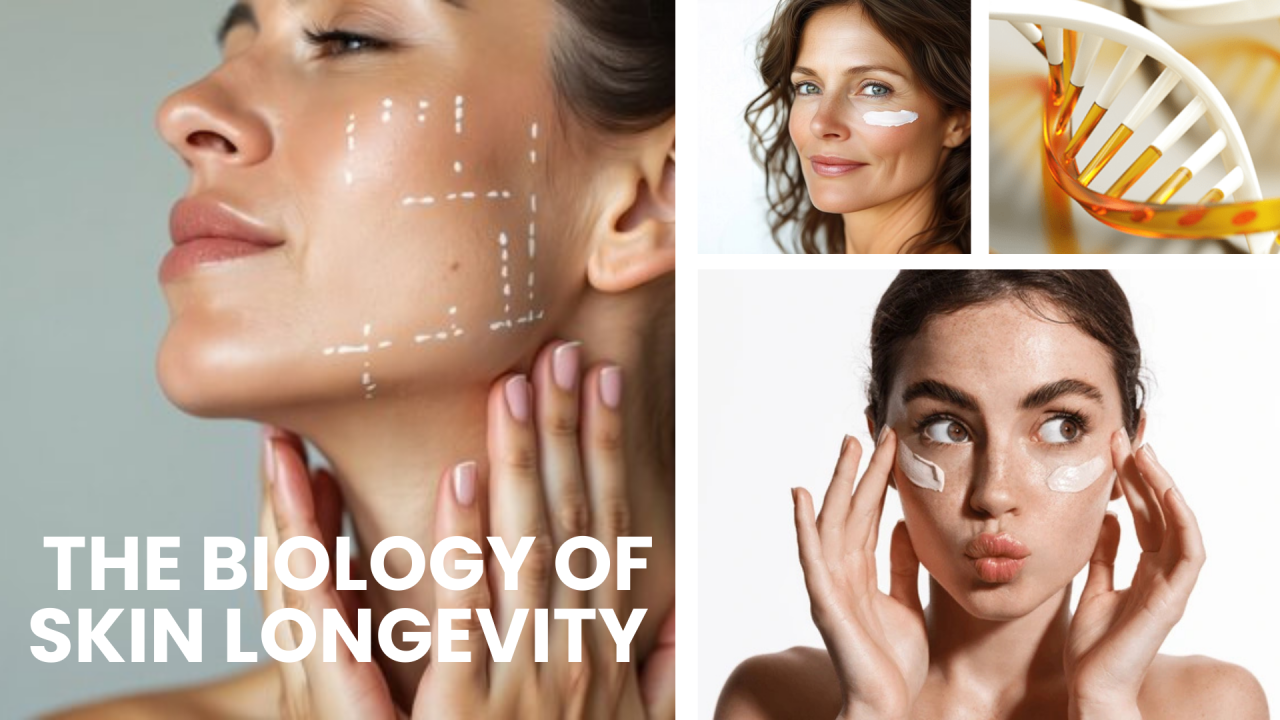
A new serum may promise stronger barrier resilience, a brighter complexion, or support for the skin’s cellular-energy pathways. Each message involves a different ingredient strategy and a different standard of proof. For product teams selecting skin longevity ingredients, the first useful decision is the intended cosmetic outcome, followed by the material and studies capable of supporting it. This sequence helps brands develop specifications, compare suppliers, and plan testing before finalizing their marketing language.
Define the Product Claim Before Selecting Actives
Start with the buyer, product format, and intended use. A daily moisturizer for sensitive skin may prioritize hydration and tolerance, while a premium facial serum may focus on visible texture and radiance. Claims about mitochondrial activity describe a biological mechanism and require different evidence from a claim about the appearance of dry skin. Writing down the desired result early helps formulators avoid collecting unrelated ingredient trends.
Translate the mechanism into a measurable endpoint
For barrier-related claims, developers can consider transepidermal water loss, hydration measurements, or standardized assessments of visible dryness. For texture and radiance, consistent photography and prespecified grading methods may be more relevant. Laboratory assays can investigate a proposed pathway, but they cannot stand in for finished-product results. Define the method, study population, timing, and acceptable tolerance profile before commissioning tests.
Check the market’s cosmetic-claim requirements
Regulatory expectations depend on where a product will be sold and the claims used in advertising. The EU common criteria for cosmetic claims require adequate and verifiable support and distinguish raw-ingredient properties from finished-product performance. Similar diligence is important when communicating in other markets, even when the precise rules differ. Marketing, regulatory, and R&D teams should agree on proposed wording before it appears on a product page.
What Documentation Should Skin Longevity Ingredients Come With?
Supplier qualification starts with identity and traceability. Request the origin of the material, a clear ingredient description, processing information, specifications, and a certificate of analysis appropriate to the product. A technical data sheet may include useful measurements without proving a cosmetic benefit. The buyer needs to understand what each test measures, which batch was tested, and whether a specification is reproducible.
Identity, composition, and batch consistency
For familiar actives, documentation may focus on chemical identity, assay, impurities, and stability. For emerging skin longevity ingredients, more detailed characterization may be necessary. The MISEV2023 recommendations on extracellular-vesicle research are especially relevant when a vesicle-containing material is marketed as an exosome preparation. Depending on the material, useful information may include particle measurements, source identity, separation methods, and possible non-vesicular components. Particle count alone cannot establish purity, biological activity, or an effective concentration in a cream.
Safety, sourcing, and processing controls
Source selection affects quality-control needs. Fermentation-derived materials call for attention to the organism used, the manufacturing process, and potentially unwanted microbial constituents. Botanical extracts need botanical identity and appropriate contaminant testing. Human-origin biological materials can raise additional sourcing and regulatory questions. Supplier documentation should reflect the actual material, the intended cosmetic route, and the markets where the product will be sold.
Test Compatibility in the Finished Formulation
A promising raw-material study is only the beginning. Once mixed with preservatives, solvents, emollients, or surfactants, the material enters a different environment. Processing temperature, pH, storage conditions, and packaging may affect its physical or functional characteristics. This is especially relevant when skin longevity ingredients are presented as complex biological preparations. Their stability claims should apply to the final formula’s realistic shelf life.
Processing conditions and package selection
Ask whether the proposed active remains within specification after mixing and filling, as well as after planned storage periods. Where appropriate, assess the behavior of the material in the finished formula and examine compatibility with packaging. Microbiological quality and preservative performance also need suitable testing. Stability evidence for a concentrated supplier sample does not establish the behavior of a retail serum over its labeled life.
Use the evidence that matches the intended benefit
A supplier may report changes in oxygen consumption rate, antioxidant-enzyme markers, or collagen-related assays. These results can help explain a research hypothesis. For a serum promising improved hydration or visibly smoother skin, however, the supporting study should examine that finished product or provide a defensible basis for the claim. A test result in cultured cells cannot verify how an ordinary topical application performs.
How to Validate Skin Longevity Ingredients for Consumer Claims
A credible trial plan should identify the comparison product, length of use, participant characteristics, outcomes, and data-analysis approach. For sensitive-skin positioning, tolerability reporting deserves the same attention as efficacy measures. If the formulation includes several active components, developers should be cautious about attributing the entire result to one ingredient. The claim should reflect the scope of the testing.
Compare clinical, preclinical, and supplier evidence
Ingredient suppliers may provide in-vitro results, animal or reconstructed-skin data, and finished-formula studies. These categories offer different kinds of support. A laboratory marker may suggest biological activity; a human cosmetic study may document a visible effect. The stronger dossier explains the connection between them and makes methodological limitations accessible to the formulator and regulatory reviewer.
Build a claim that remains precise when shortened
Product pages, packaging, and sales decks often condense a technical claim to a few words. Teams should decide which qualifications are essential to preserve. A statement that a material was investigated for mitochondrial-related activity should not turn into an unqualified promise to reverse skin aging. Descriptions of barrier support, radiance, or hydration need an identified outcome and evidence proportionate to the statement.
Applying the Criteria to Emerging Ingredient Platforms
Microbio describes NEXOSOME™ as a fermentation-derived ingredient for longevity-oriented skincare and reports laboratory findings involving mitochondrial activity and antioxidant-related measurements. Those reported results provide questions for technical review: how was the preparation characterized, what controls were used, and what data support the eventual formula’s cosmetic claims? A supplier’s evidence is most useful when teams can evaluate its methods and apply it to a clear formulation brief.
Selecting skin longevity ingredients becomes more efficient when teams connect four decisions: the claim, the ingredient specification, the product’s stability, and the relevant finished-formula evidence. That sequence creates a clearer path from an emerging scientific idea to a commercially credible skincare product.
About the Author