

Creating a business based on homemade soaps can become a way to achieve your dreams if you have a passion for combining scents, colors, and natural elements. Yet, while it is exciting to transform something that you make into a profitable business, managing a business is a lot more than just making nice-looking soaps. You will need to form strategies, advertise your line of products, keep track of your money, and be patient. Here are ten points that are essential to consider before starting to invest your savings into business planning.
1. Business Management Requires More Time than Soap Production

Soap-making and selling are a very important part of entrepreneurship, but not the only one. An entrepreneur gets busy with ordering raw materials, keeping records, packing the products, communicating with clients, and marketing. If you do not have an appropriate system for production set up and most of your time is spent on manufacturing soaps, you might have problems attracting potential customers.
2. Your Customers Could Have Different Preferences Compared to Yours
One of the most frequent mistakes is developing everything on the basis of personal likes about smells, colors, and ingredients. Nevertheless, the tastes of your customers may differ substantially. Be sure to conduct an investigation of the wishes of your target audience and choose the products before starting the product development process.
3. Make Your Brand Familiar
Successful branding involves more than the logo design and matching packaging. Your brand identity should remain consistent across product labels, photographs, social media, and customer communication.
4. Avoid Competing on Price Alone
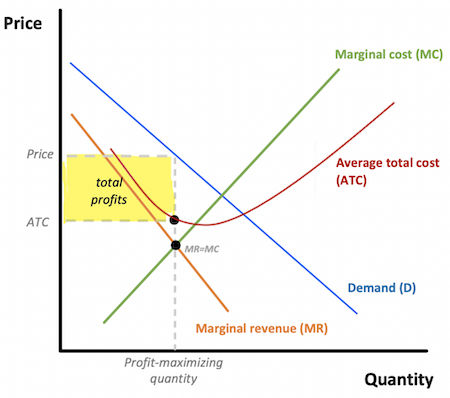
Marketing handmade soap at very low prices may seem to be a good idea at first, but at the end of the day, you won’t make enough profit. Calculate how much it costs to make your product, including the costs for ingredients, packaging, time, marketing, shipping, etc. Customers who understand the value of handmade goods and have a taste may pay what is needed.
5. Get Your Ideal Customer
Normally, some people will be interested in your products while others won’t. Some customers prefer plain and odorless soap while others search for artistic bars, unique smells, or gift sets. Find your potential customers and learn their shopping habits. Having a targeted niche will make it much easier for you to make your products and market them.
6. Know Your Regulations and Safety Issues
Before starting to sell anything, you need to know the information related to testing your product, documentation related to ingredients, and labeling. In the United States, for example, cosmetic and consumer product rules may apply. Other countries have their own requirements. Check the relevant authorities rather than assuming handmade products are automatically exempt. Business permits, tax registrations, and product liability insurance may also be necessary.
7. Invest in Good Product Photography

People who buy soap online cannot smell it or touch it. That is why the pictures are so important when making a decision about what to buy. To create good pictures, use natural lighting, keep the background clutter-free, and make sure that the pictures accurately show what the product is. It is important to show different angles of the soap, packaging, and its use in life. If photography is not your strong point, it is better to learn the basics of product photography or hire a professional photographer.
8. Keep Improving Your Knowledge and Spend Money Economically
Starting a soap-making business means that you will always have to learn something new. You need to learn how to manage your business well, understand customers, and create proper marketing strategies. Some training programs can help you fill the gaps in knowledge, but do not waste money on every available course. Many mentors can help you.
9. Plan for the Future
Think about what you ultimately want your business to become. Would you prefer a small home-based brand, a dedicated workshop or a larger company supplying retailers? How you will achieve your long-term goals will dictate how you will produce, what you need to buy, how you will staff your business and how you will market your product. You need to review your plans from time to time because priorities might change over time.
10. Don’t Let Fear Hold You Back
Starting something new creates some uncertainty. You might be concerned about aspects like revenue, consumer and competitive response, and financial blunders. However, do not wait till you are prepared. Rather, confidence can be achieved through experience and not before it.
About the Author