
The cold-process method is one of the most satisfying ways of making handmade soap by using oils, water, and sodium hydroxide, which is referred to as lye. This process enables the person to decide on the type of oils, scents, colours, and additives to be used in the process of making soap.
Though this method may seem difficult for beginners, by following a couple of simple principles of making soap, people will find it easy and manageable since there are only accurate measurements, appropriate equipment and safety measures needed in the process.
What Is Cold Process Soap Making?
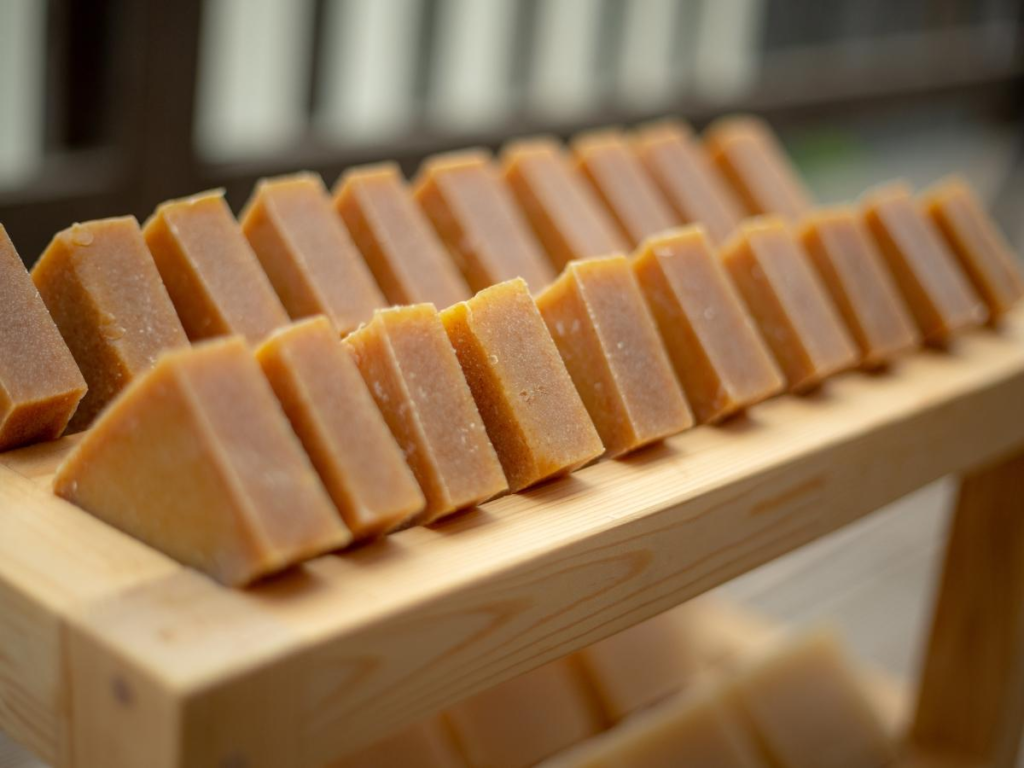
Cold-process soap making is the procedure through which oils and a solution of lye are combined to form soap through a process of saponification, where oils are mixed with sodium hydroxide to make soap and glycerine.
Unlike melt-and-pour soap, cold process soap is a product that is produced from scratch. The cold-process soap does not require melting of a soap base which is already in existence in order to produce the soap.
Ingredients Required for Soap Making
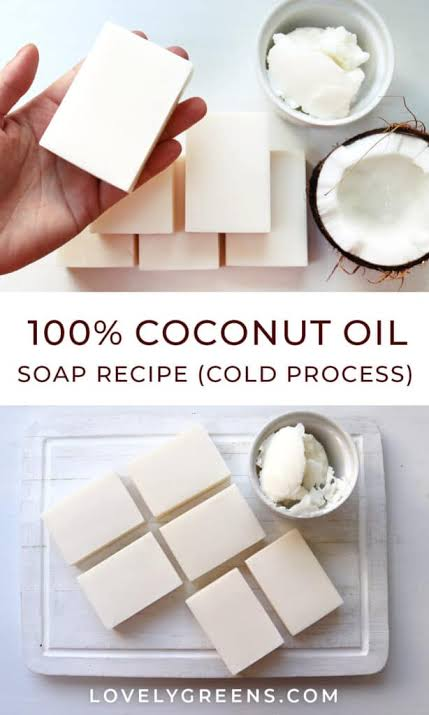
Oils or fats, distilled water, and sodium hydroxide are required in the production process. Olive oil is one of the preferred options since it conditions the skin; on the other hand, coconut oil helps to clean and lather. Some additional oils and butters like sunflower oil, shea butter, and cocoa butter can be added to modify the soap’s characteristics.
Additional items which may be included are fragrances, colourants, finely ground oats, and botanicals. The proper amount of sodium hydroxide should be calculated based on the mixture of oils. Use a soap calculator to avoid any mistakes.
Equipment List
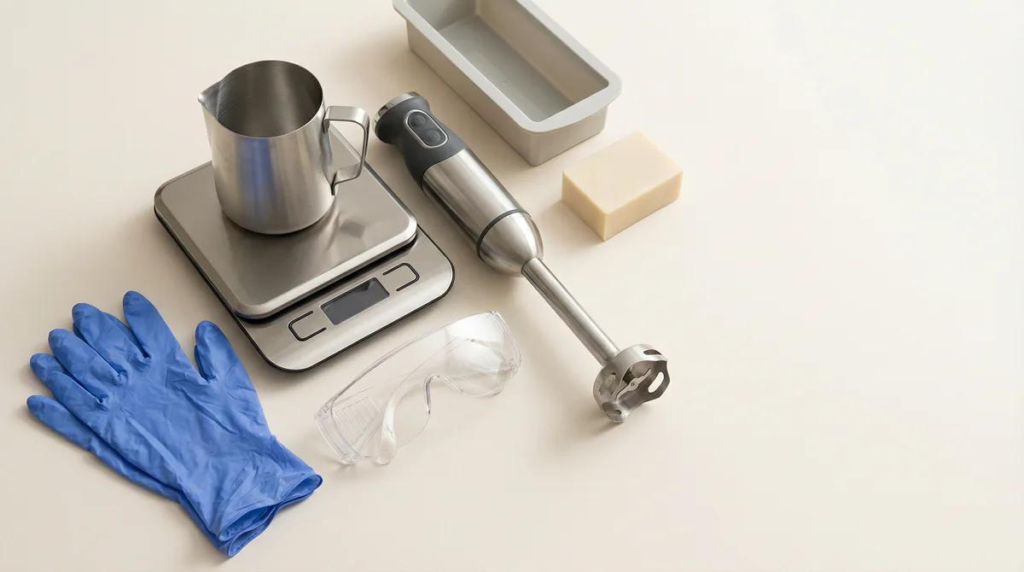
You will require a precise digital scale, stainless-steel or lye-safe containers, a heat-resistant jug, a thermometer, an immersion blender, a spatula, and a soap mould. Protective gloves, safety goggles, and long-sleeved clothes are necessary.
Aluminium products should not be used for this activity since aluminium can react with sodium hydroxide. Also, do not confuse your soap-making materials with kitchen tools.
How to Create Cold Process Soap
Setting Up Your Working Area
First of all, it is necessary to clean up the workplace and arrange all the required materials and devices. Besides, the area should have good ventilation, and children and pets should not get in the way.
Make the Lye Solution
Put on all the appropriate protective gear and slowly stir the sodium hydroxide into the distilled water. Do not put water into the sodium hydroxide, as it will heat up very quickly and emit fumes.
Prepare the Oils
Carefully measure the oils and melt solid oils/butters, if there are any. Mix the solid oils and butters with the liquids.
Mixing and Blending
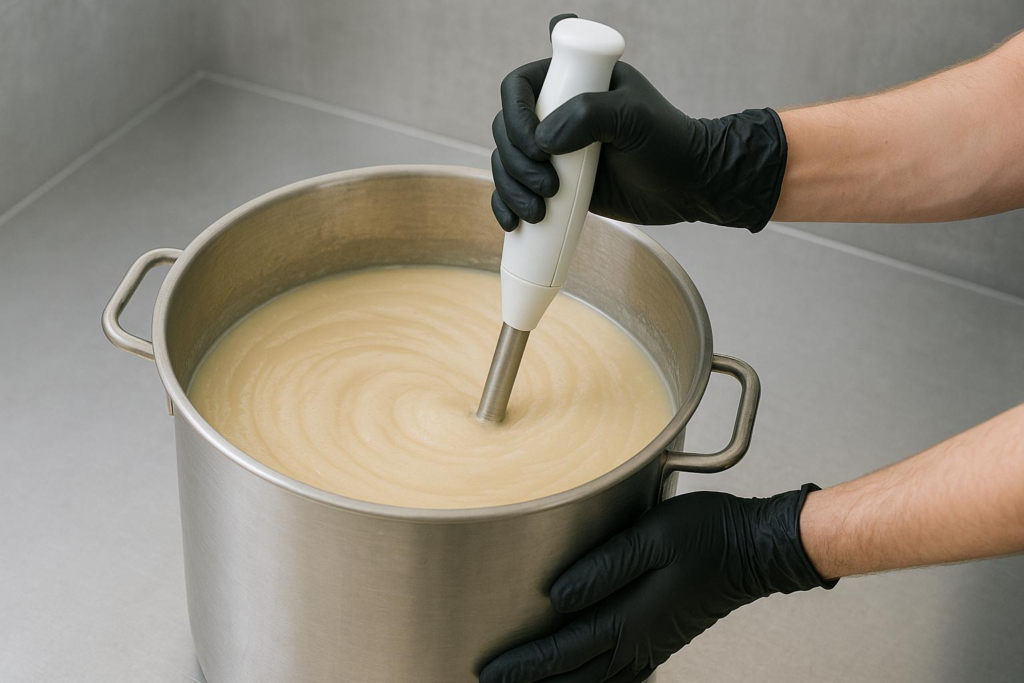
Gently pour the lye solution into oils, and using the immersion blender, blend the mixture until it is light tracing. This means that the soap batter will become a little bit thicker and leave a trace on the surface.
Pouring the Soap Into the Moulds
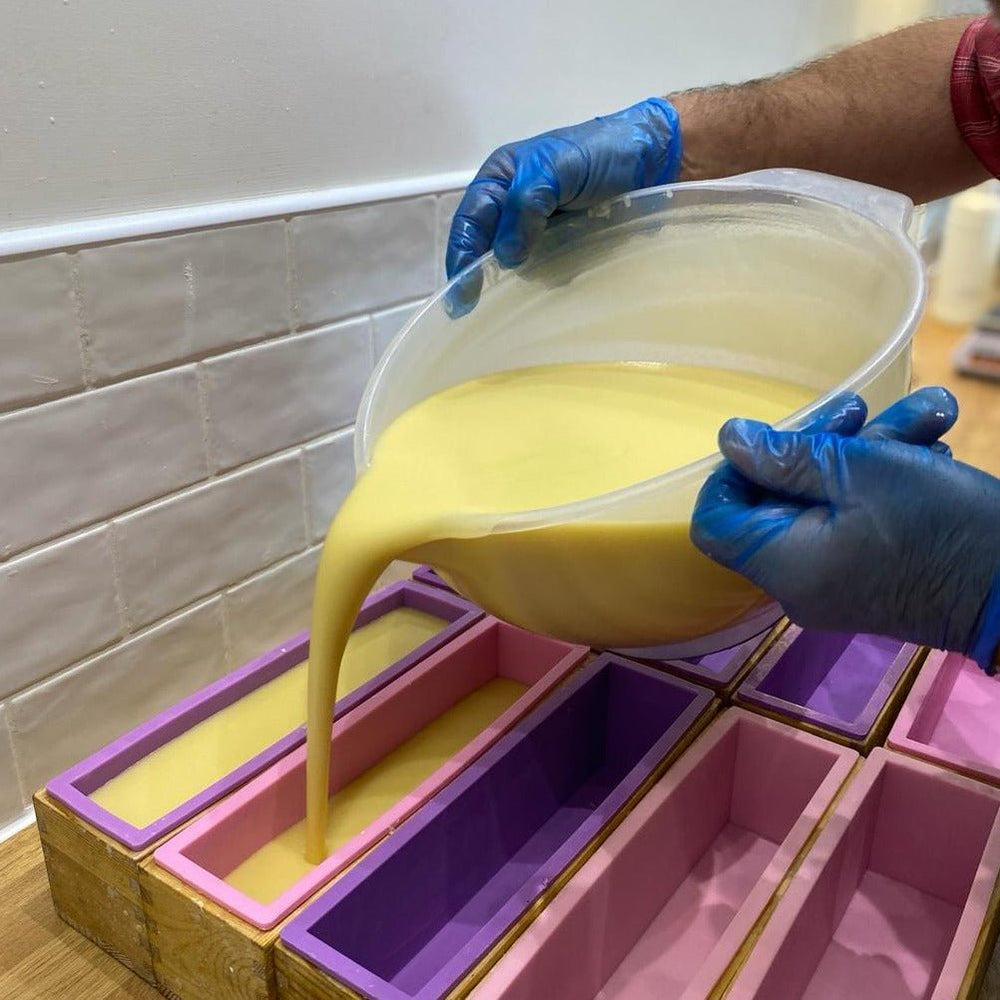
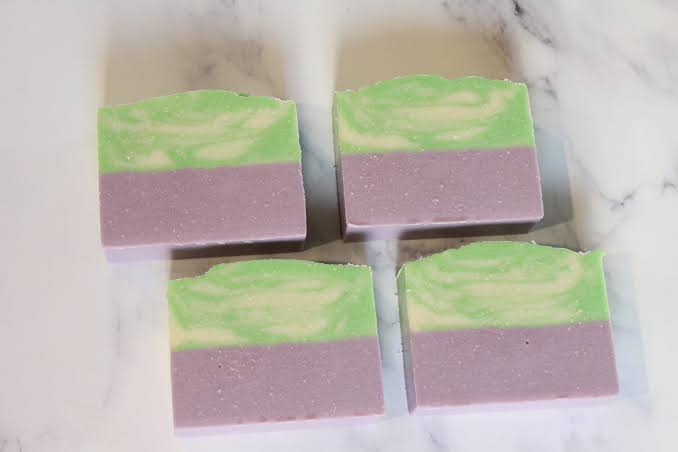
At this point, it is time to add any fragrance or colourant that you wish to use. Then pour the mixture into the mould and let it set.
Allow the Soap to Set
Leave it alone and undisturbed for approximately 24 to 48 hours. Once it has set, remove the soap from its mould and slice it into bars.
Curing Your Soap
Place the bars onto a rack, allowing air circulation around them. Allow them to cure for approximately four to six weeks in a cool and dry place. The curing process dries out the soap bars and makes them hard.
Comparison of Cold Process and Hot Process Soap
Both involve mixing oils with a lye solution. However, the only difference is that cold process soap is left alone to carry out the primary reaction inside the mould, while the hot process soap is heated to speed up this process. Both cold process and hot process soaps need time to be cured.
Variations in Making Creative Soaps
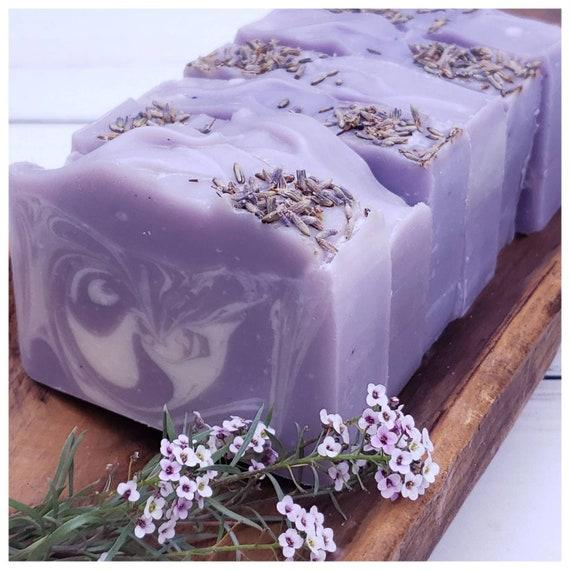
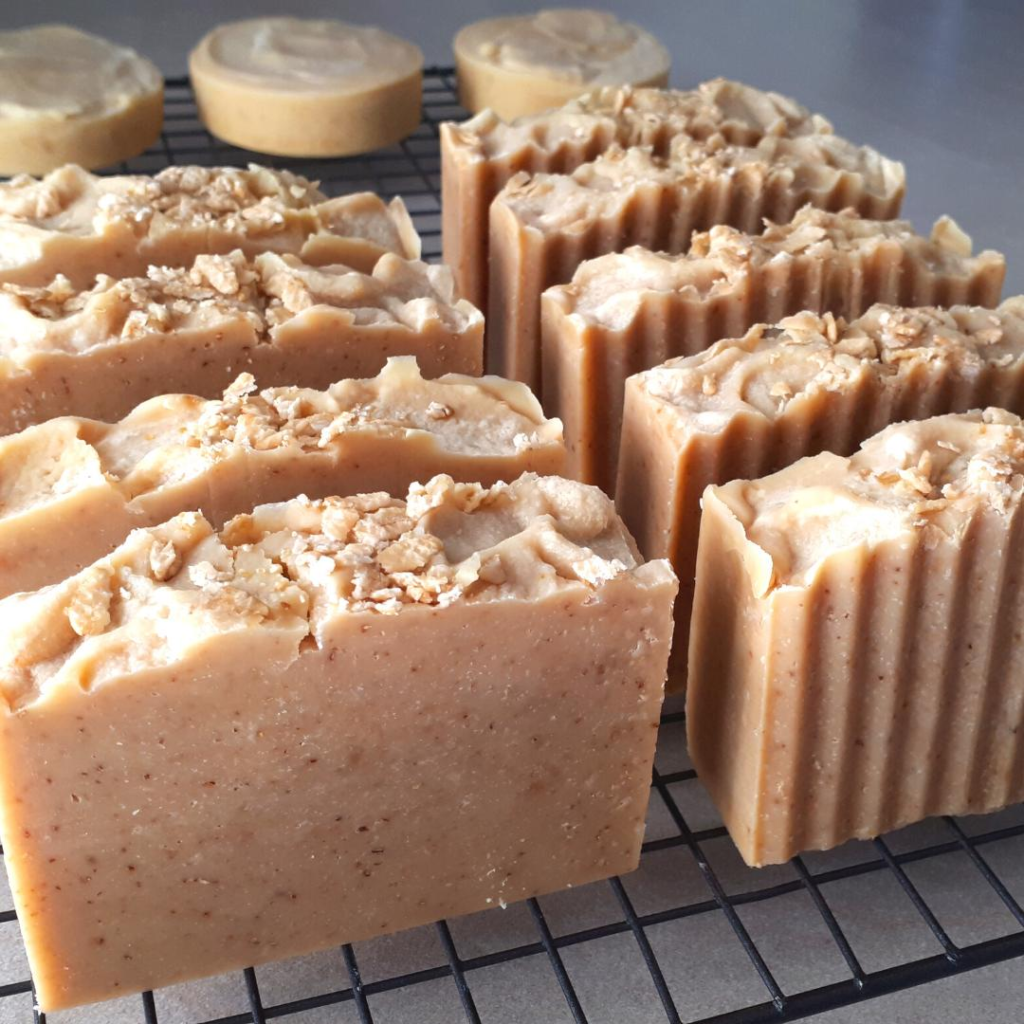
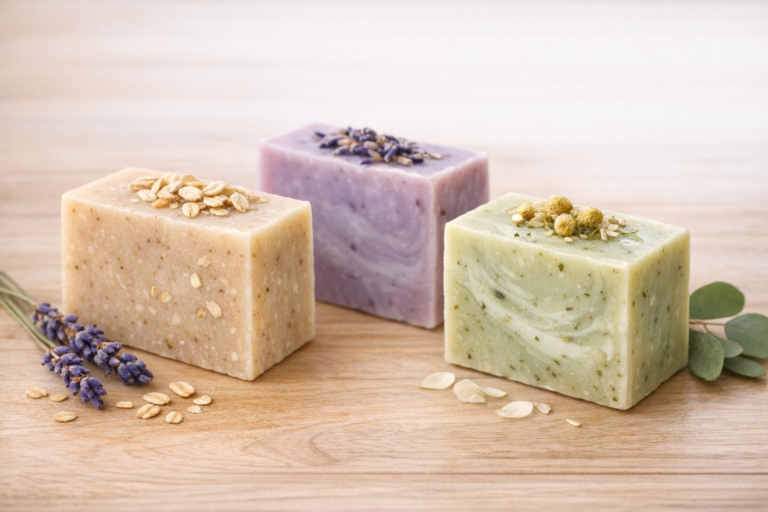
After learning how to make soap, you will find it easy to vary your combination. You can try the oatmeal and honey soap because it has a good feel when you use it. The lavender soap is good for those who like the scent of lavender, while rose soap gives a good look to your handmade soaps.
Important Safety Tips
Sodium hydroxide is a very corrosive chemical and can lead to severe damage to the skin and eyes. Wear chemical-resistant gloves and splash-proof goggles, work in a well-ventilated area, keep kids and pets away, use designated equipment and avoid using aluminium containers.
In case your skin or eyes are in contact with lye, rinse the affected areas thoroughly with running water and consult an appropriate doctor. Do not touch raw soap batter without any protection.
My Personal Favourite
Oatmeal and Honey Soap is my personal favourite because of its simplicity in appearance and handmade texture. Another thing that I like about it is that it gives me a chance to be creative and add some dried flowers and nice fragrances to it.
Conclusion
Making cold process soap is a very enjoyable and exciting pastime. You will need to understand the equipment, ingredients, safety measures, and preparation process. After that, you can play around with fragrances, colours, and botanicals.
About the Author