Creating soap at home is a pleasant occupation which lets you play around with various natural ingredients, pretty colors and nice aromas. Rather than developing a new recipe for each soap type, you can begin from a single basic soap recipe and create various unique kinds of soap.
Custom-made soap making gives you the opportunity to choose the ingredients and aromas you prefer. Regardless of whether you have never made soap before or have some experience in this sphere, one single recipe is enough for a whole soap collection.
Why Use One Basic Soap Recipe?
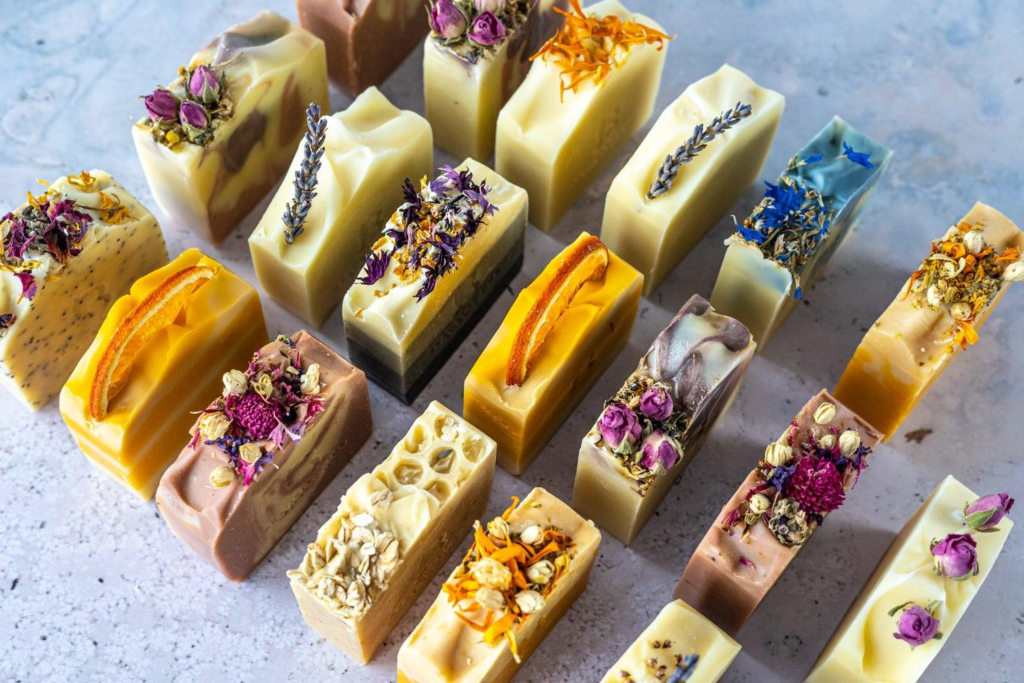
It will be easier and more convenient for you to create your own soap when you use a single basic soap recipe. After you learn how to make a basic soap, you can try various botanical infusions, fragrances and colors without changing the whole recipe.
The key point is to keep the proportions of oils used at first. In case you want to replace or change any oils in the recipe, you should calculate the amount of sodium hydroxide again.
Basic DIY Soap Recipe
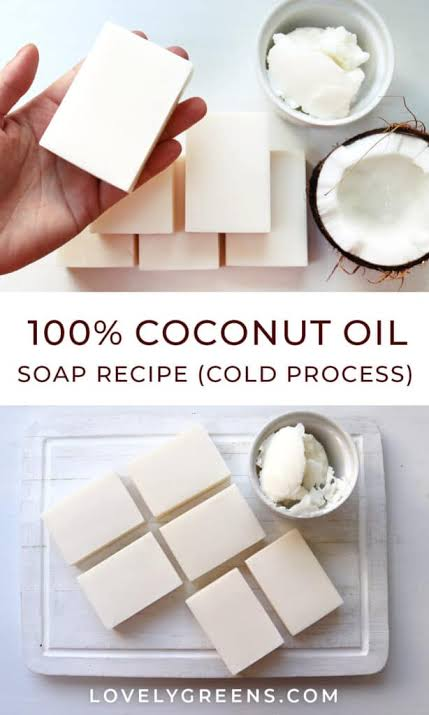
The following quantities are suitable for preparing basic cold-process soap:
354g of olive oil; 99g of sunflower or sweet almond oil; 227g of coconut oil; 113g of kokum or cocoa butter;
112g of sodium hydroxide; 241g of distilled water.
All the above ingredients should be accurately calculated using a reliable lye calculator. It is strictly prohibited to alter the oil amounts while maintaining the same quantity of sodium hydroxide.
How to Make the Basic Soap
Make sure you have a properly ventilated workplace. Put on protective gloves, safety goggles, and long sleeves. Keep kids and pets out of your way.
Carefully add sodium hydroxide to the distilled water (not the other way round). Let the solution cool down first. Melt coconut oil and butter, then combine them with other oils.
As soon as both solutions reach appropriate temperatures, gradually pour the lye solution into the oils and mix it carefully using the immersion blender until you get light trace, that is slight thickening.
You have successfully made the base of your soap. Now you can customize it according to your needs and pour it into proper molds. Cold-process soap requires four to six weeks of curing time.
Herbal and Botanical Soap
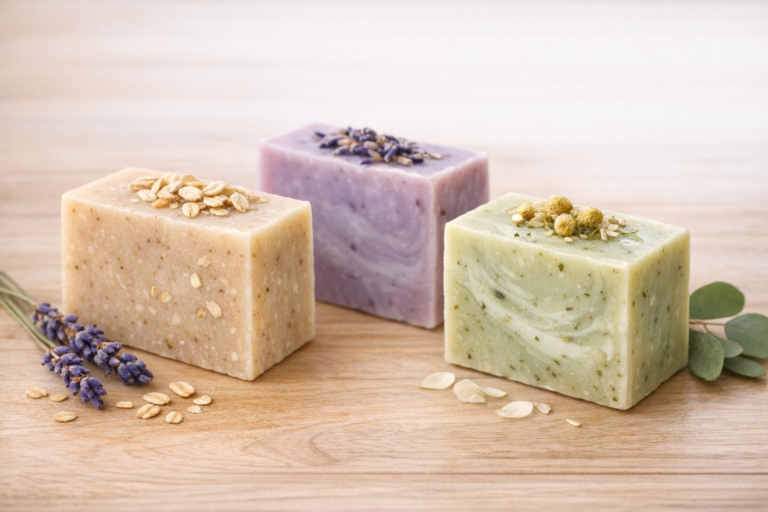
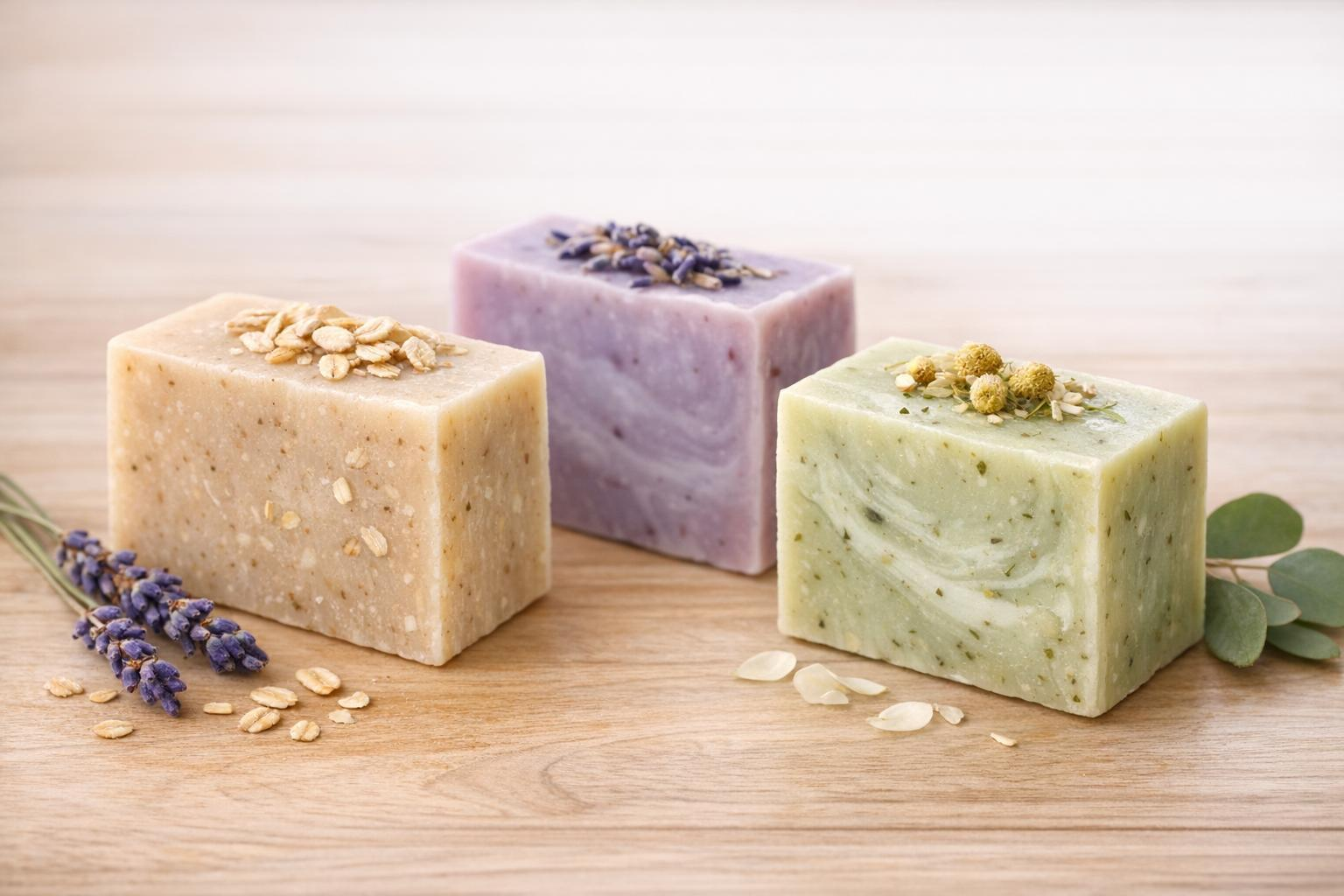
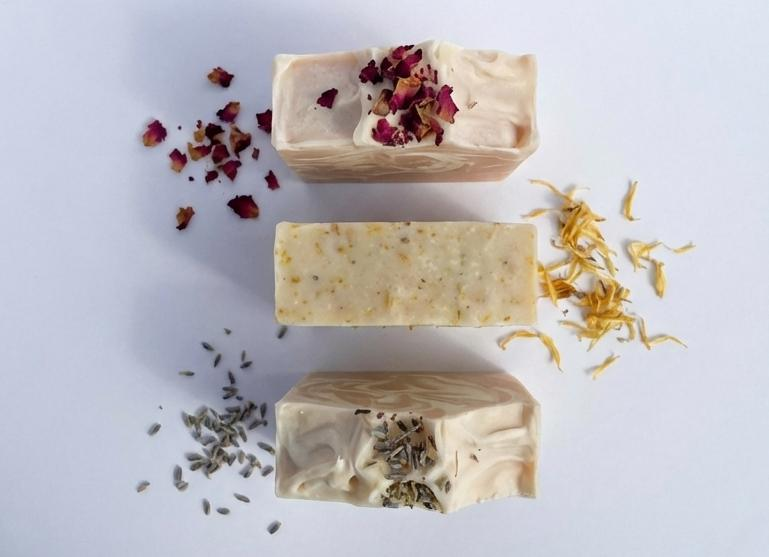
A botanical soap would be great for people that like the look of natural handmade products. An infusion can be made from calendula, lavender, chamomile, or lemon balm (dried). The infusion should be carefully strained, and the cooled infusion can replace the distilled water according to the recipe.
Also, an appropriate infusion of oil and safe fragrance can be added. These ingredients will help to give the soap an appealing herbal theme.
Violet Soap
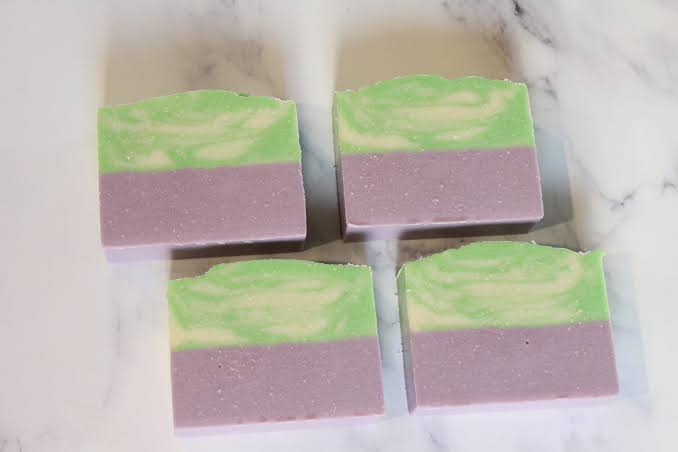
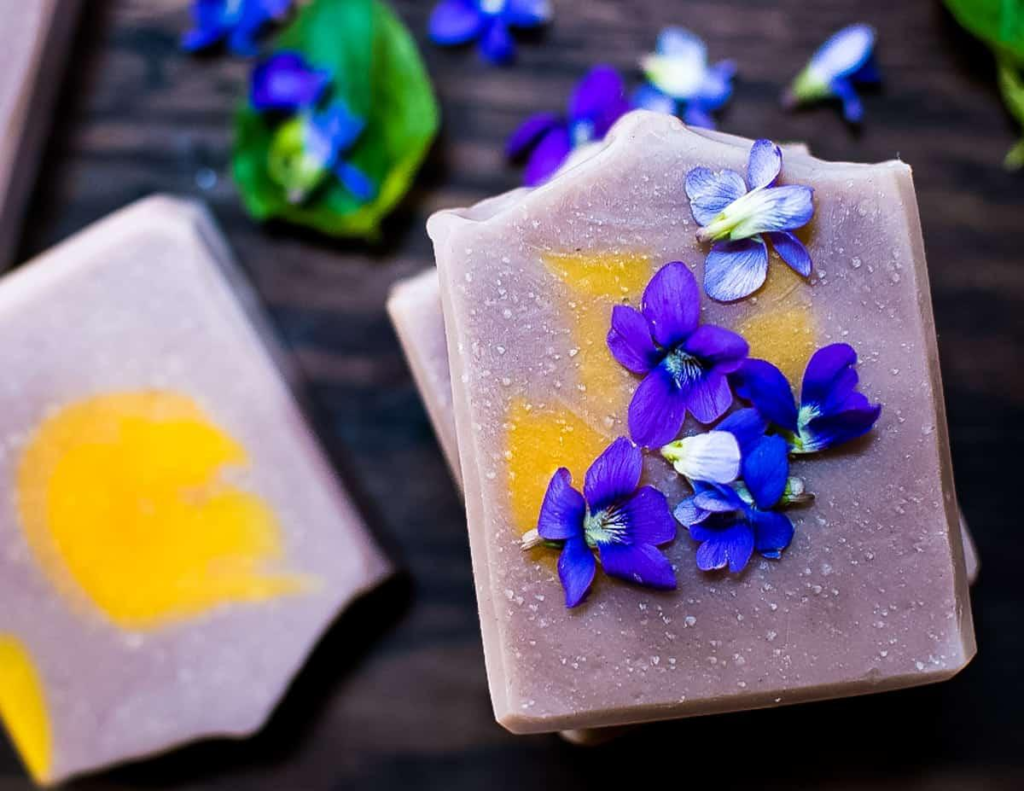
Violet soap is a good seasonal variation. An infusion of the violet flowers should be prepared using clean and correctly identified flowers along with hot distilled water. After cooling, the strained infusion can be used according to the basic recipe.
To decorate the soap, the soap mixture should be divided into two parts, and a suitable violet soap colourant should be added to one part. Both parts can be carefully mixed to get a simple swirl effect.
Sunflower-Inspired Soap
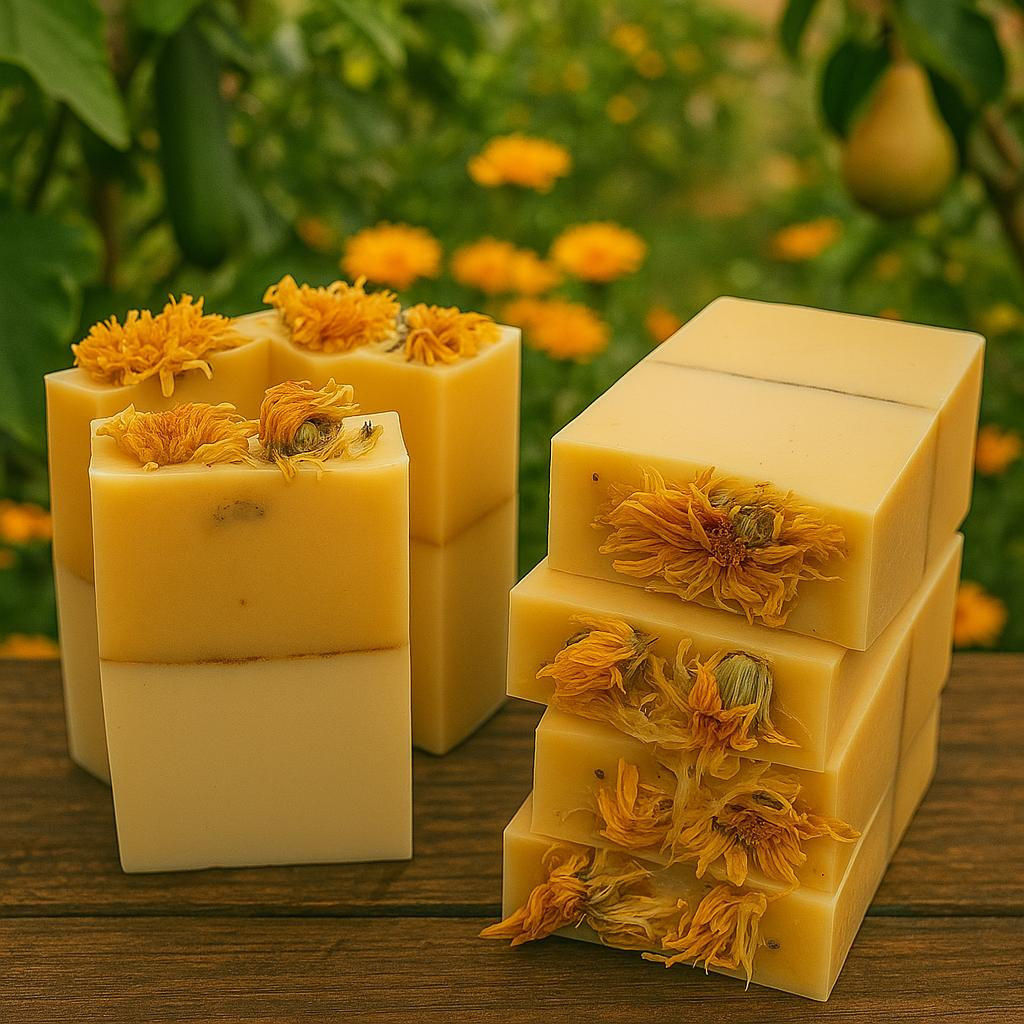
If you like vibrant colours, a sunflower-themed soap can be interesting. Sea buckthorn oil can give a golden-orange look to the soap if used in moderation in the formula.
More Customisation Ideas
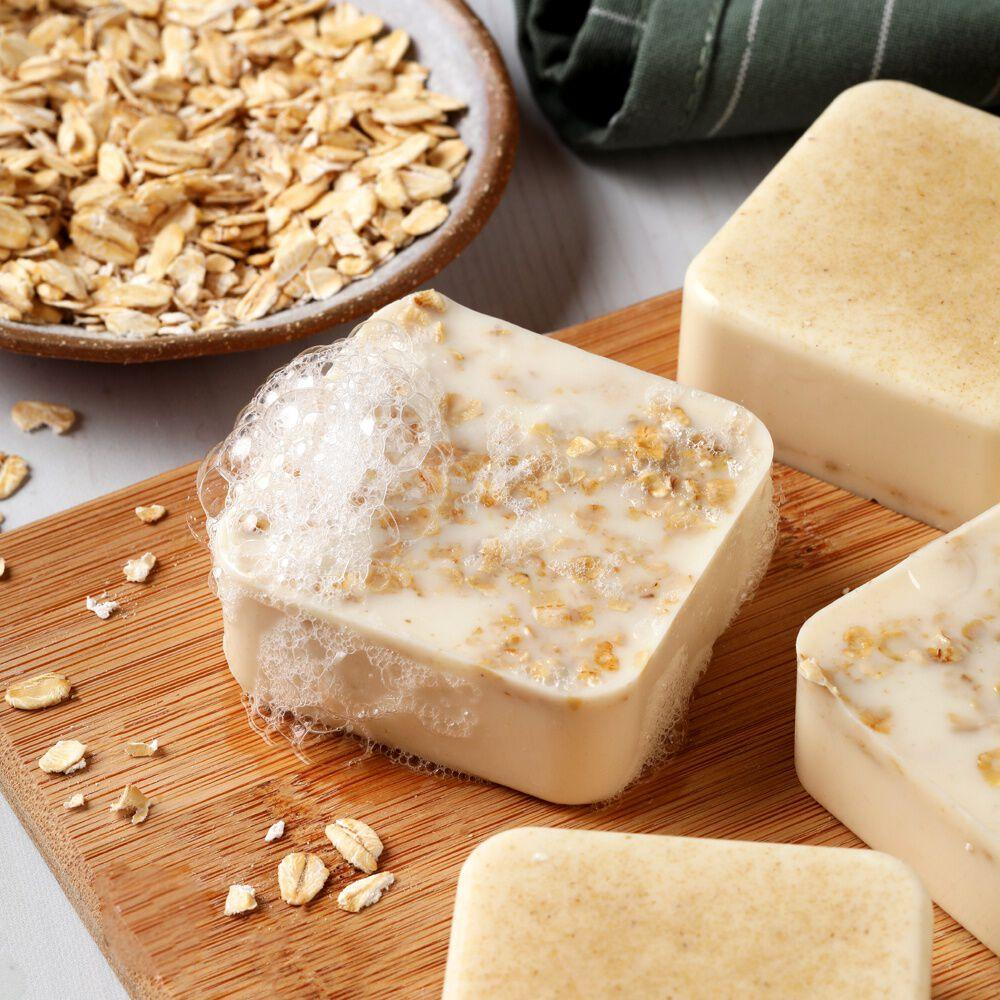
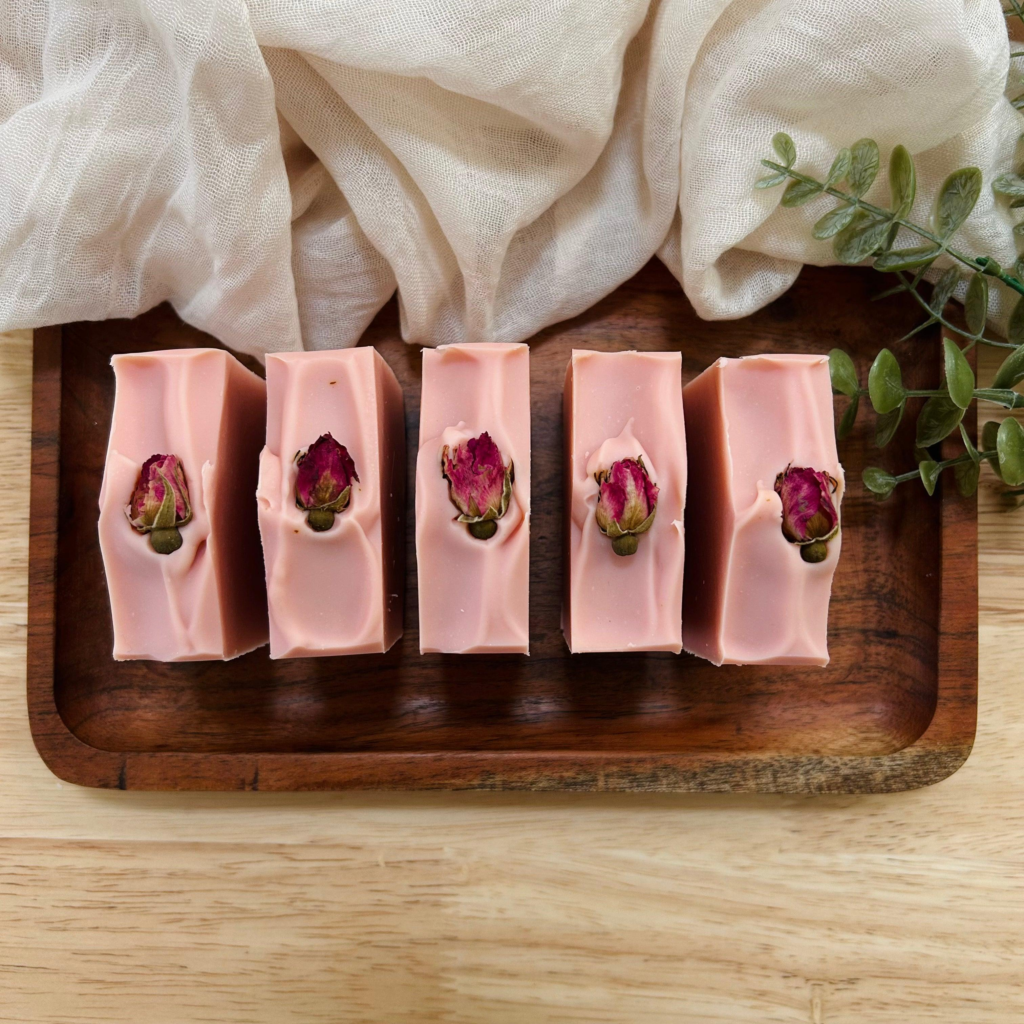
Several more kinds of soap can be created in the same way. If you want your soap to have a flower aroma, try rose or geranium. To get an oatmeal type of soap, use finely ground oats. A refreshing version would be to add a suitable fragrance with citrus scent and a bit of poppy seeds.
Only soap-friendly colourants and fragrances should be used, not exceeding the recommended proportions.
Important Tips When Making Soap
Weigh all the ingredients to find out the right proportion. Do not use your guesses for the amount of sodium hydroxide, and remember about proper equipment for making soap. Be careful not to use aluminium dishes since they react with lye. Keep new bars of soap in a dry, cool and ventilated room until they are ready.
Conclusion
Making your own custom soaps is a fun activity when it comes to making and designing handmade products. Using one basic recipe helps you make many types of soaps, including herbal, floral, oatmeal, and sunflower soap. If done with the right measures and proper safety measures, then it will be possible for you to make a variety of custom soaps.
About the Author