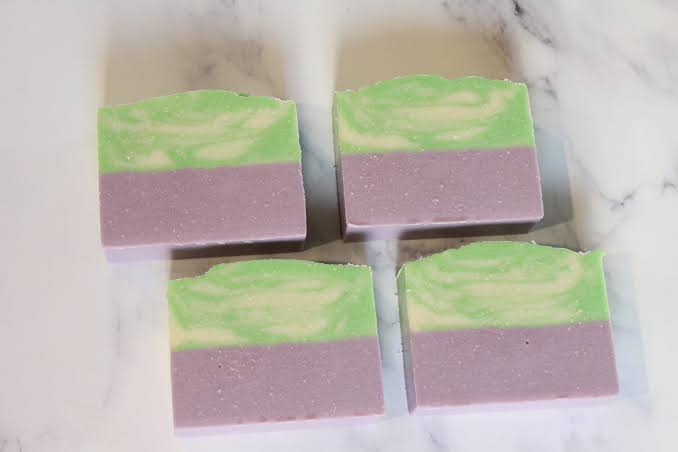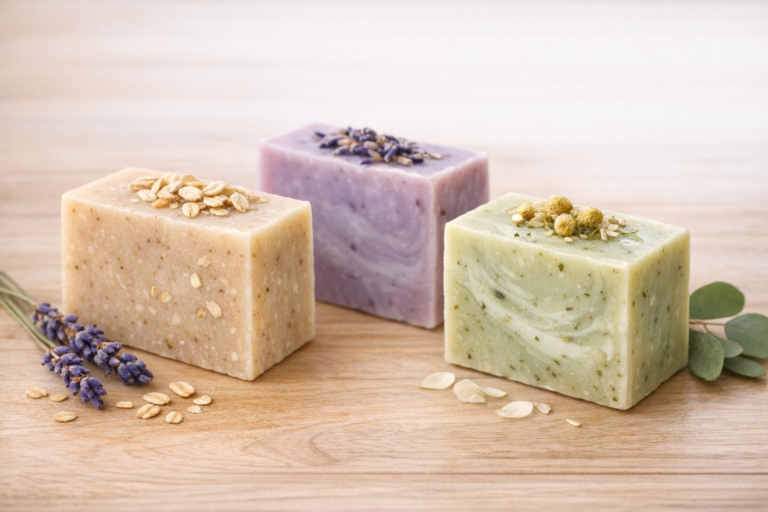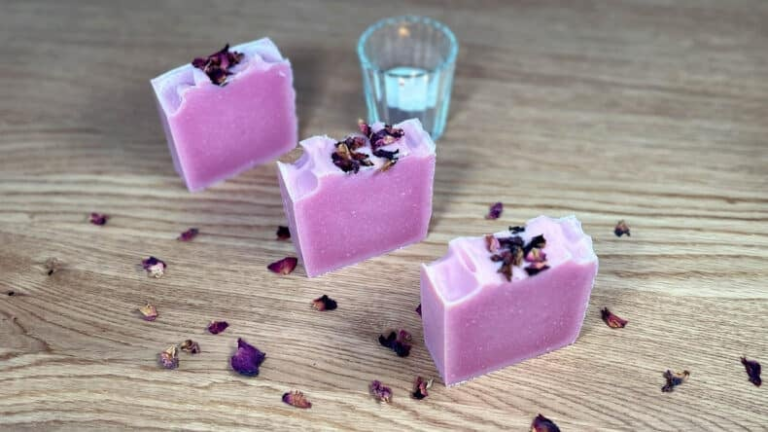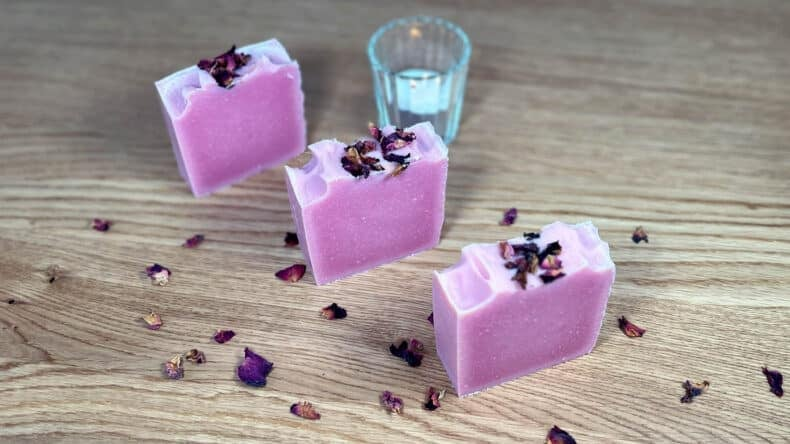
Creating natural homemade soap is a great way of getting engaged in an interesting Do-It-Yourself activity and producing a product with carefully chosen ingredients. When making soap, you can select whatever oil, fragrance, and additional natural ingredients you like. As for those people who have never made soap in their life before, the recipe for homemade soap made from olive oil is a good start.
In the following recipe, you will be creating a small portion of homemade soap – only about four soap bars that are made from olive oil, coconut oil, and castor oil. As a result, you will get a bar that will feel quite gentle on the skin and will create a rich foam.
Why Make Natural Soap at Home?
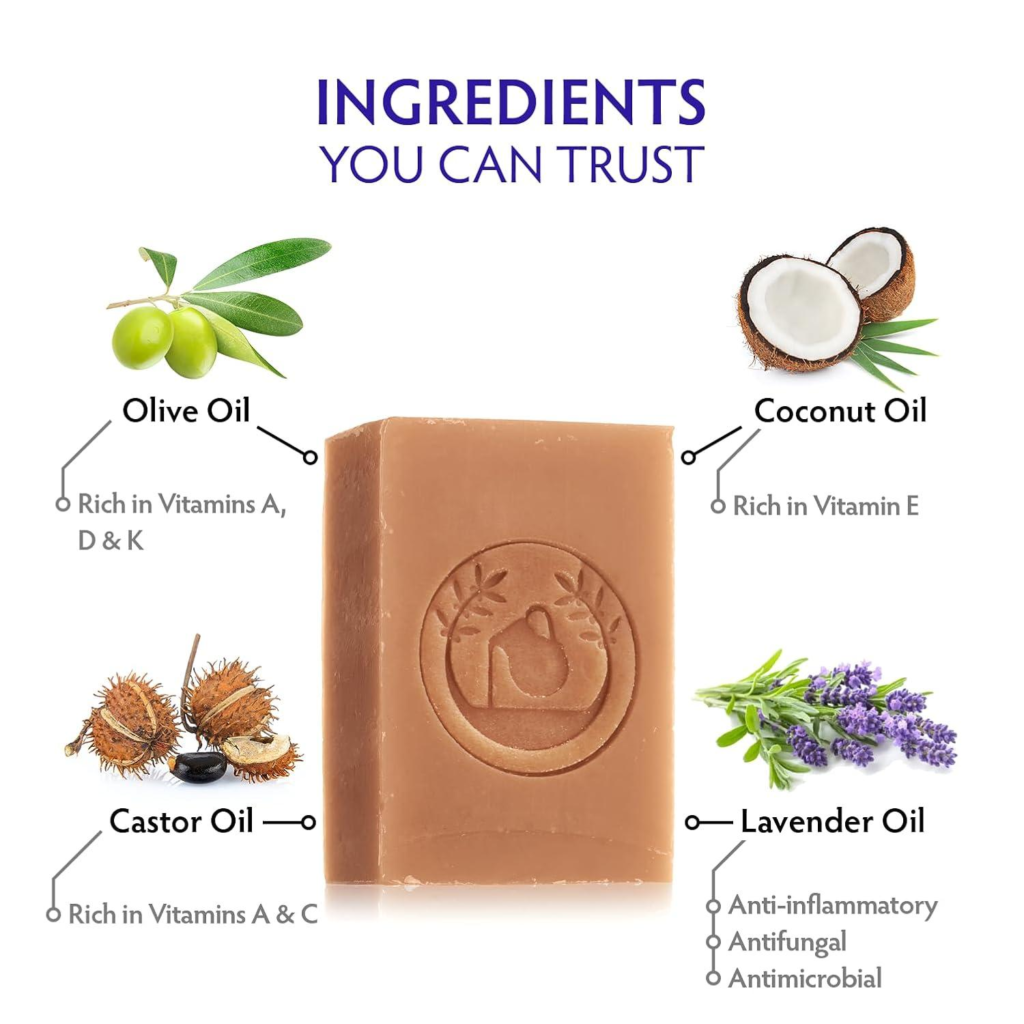
When making natural soap yourself, you are free to choose ingredients of your choice. Olive oil is considered to be very conditioning, coconut oil – cleansing and foaming, and castor oil – foaming as well. Moreover, you can decide whether your soap will be fragranced or not and what essential oils will be used.
Ingredients for Natural Homemade Soap
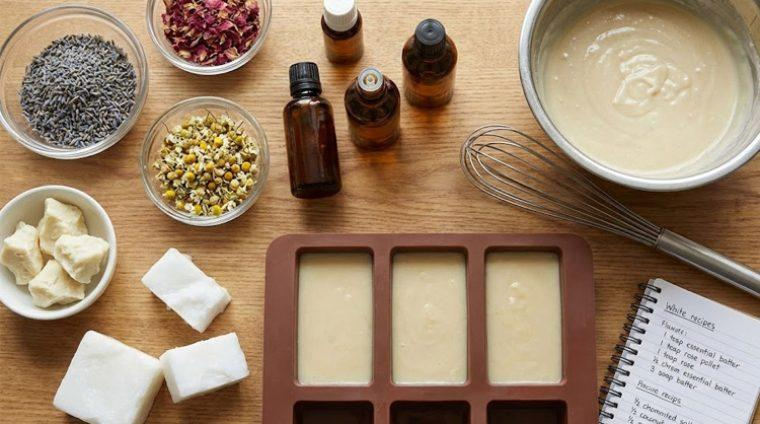
In order to make this small batch, you will require 340 grams of olive oil, 71 grams of coconut oil and 43 grams of castor oil. You will need 60 grams of sodium hydroxide (lye) and 128 grams of distilled water. This quantity makes around four bars, depending on the size of the mould.
If desired, you may add any good-quality essential oil to your liking, including lavender, lemongrass, geranium and peppermint. Remember to verify the recommended usage quantity before mixing it in.
Important: This is the measurement in accordance with the soap recipe. Always double-check your lye measurement via a soap calculator before beginning your soap recipe. Do not substitute or alter the quantity of oils and lye in your soap recipe without verifying the new lye amount.
Natural Homemade Soap Recipe
Step 1: Making Lye Solution
Use gloves that are chemically resistant, goggles that protect from splashes and wear suitable clothes. Experiment in a well-ventilated place and keep it away from children and pets. Sodium hydroxide is added to distilled water while stirring it very slowly. Distilled water is not poured on lye because it gets heated and releases vapour. Store it in a cool place.
Step 2: Measure and Melt the Oils
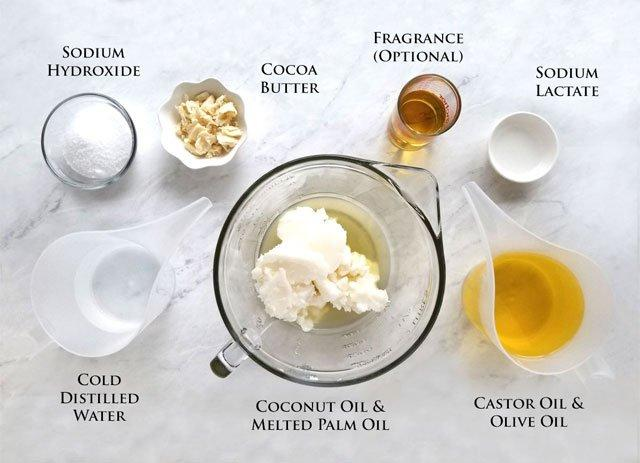
The required quantity of coconut oil needs to be measured and melted using a double boiler. Olive oil and castor oil need to be divided and measured. The coconut oil thus melted is then mixed with the oils.
Step 3: Combine Ingredients
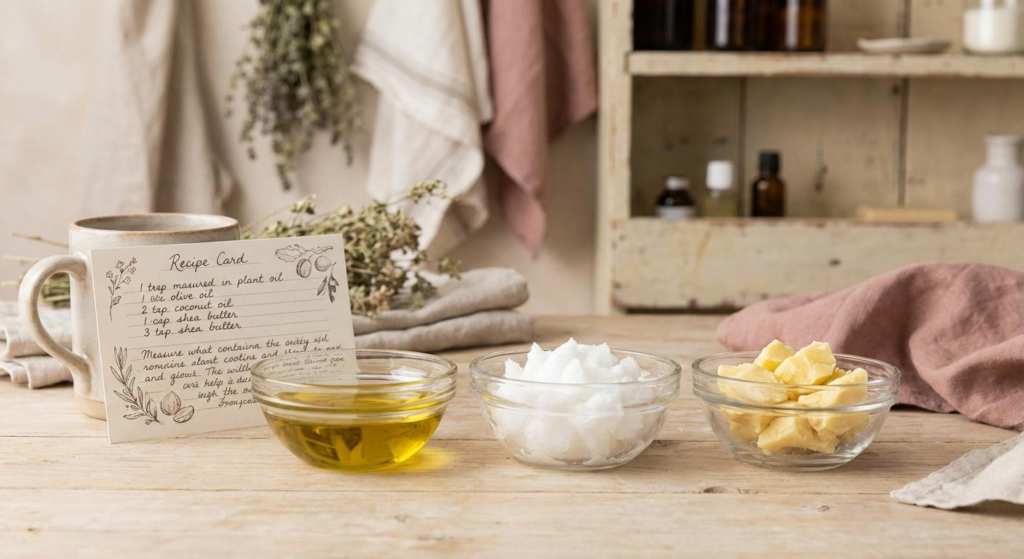
Add the solution of lye to the oil mixture. It is mixed very slowly with the help of an immersion blender for a few seconds. The mixture is alternately mixed and stirred till light trace is attained.
Step 4: Add Fragrance and Pour
If needed, add the appropriate amount of fragrance oil and stir it gently. Pour the soap batter into a silicone mould and cover it lightly.
Step 5: Unmold and Cure
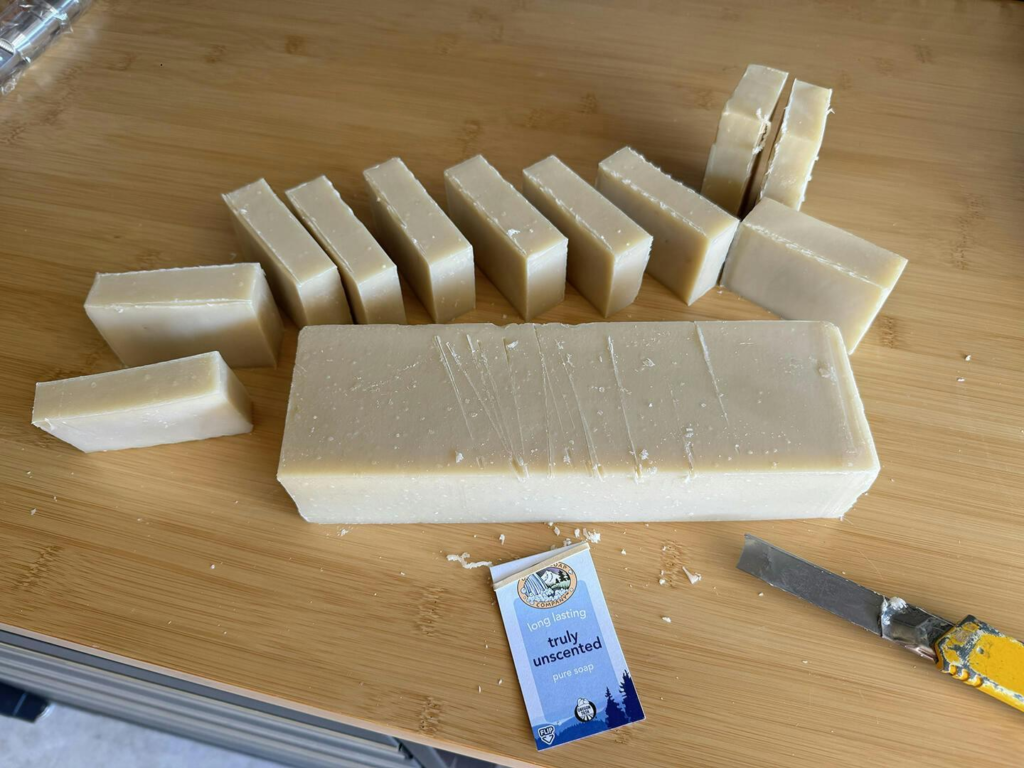
The process should continue until the soap becomes hard after 24 to 48 hours or even more, if necessary. Remove the soap from the mould and shape it into bars. Put each of the bars in a cool, dry, and ventilated place. Cure it for a minimum of four to six weeks. High-olive-oil-content soap might need six to eight weeks or even more time.
Advice on How to Make Better Homemade Soap
Use a digital weighing scale to measure all the ingredients. Use either stainless steel or lye-proof plastic material, not aluminium material. Be careful when choosing new ingredients and when using too much scent.
My Personal Choice
My personal choice is the unscented olive oil soap due to its simple design and simple ingredient composition. I will like to make one variation of it which could be scented lavender.
Conclusion
Homemade natural soap is an easy and fun activity involving simple oils and a simple soap-making method. Olive oil, coconut oil, and castor oil can help you make a small quantity of soap and scent it to your liking.
About the Author