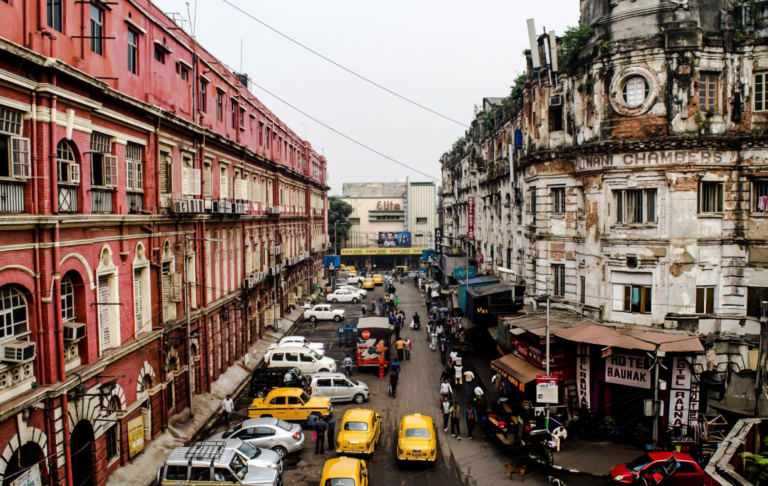
A look at the past and present in the life of the Chinese Indian community in Kolkata. In 2026-27, a trip to Chinatown will be a great way to see the multicultural base of the city.
Behind the Italian Connection of Tiretti Bazaar
In the 18th century, the story of Kolkata’s Chinatown begins with an Italian immigrant. Edoardo Tiretta from Venice was brought out by the East India Company to found a marketplace. His name over time became associated with the area, which in turn gave the name Tiretti Bazaar.
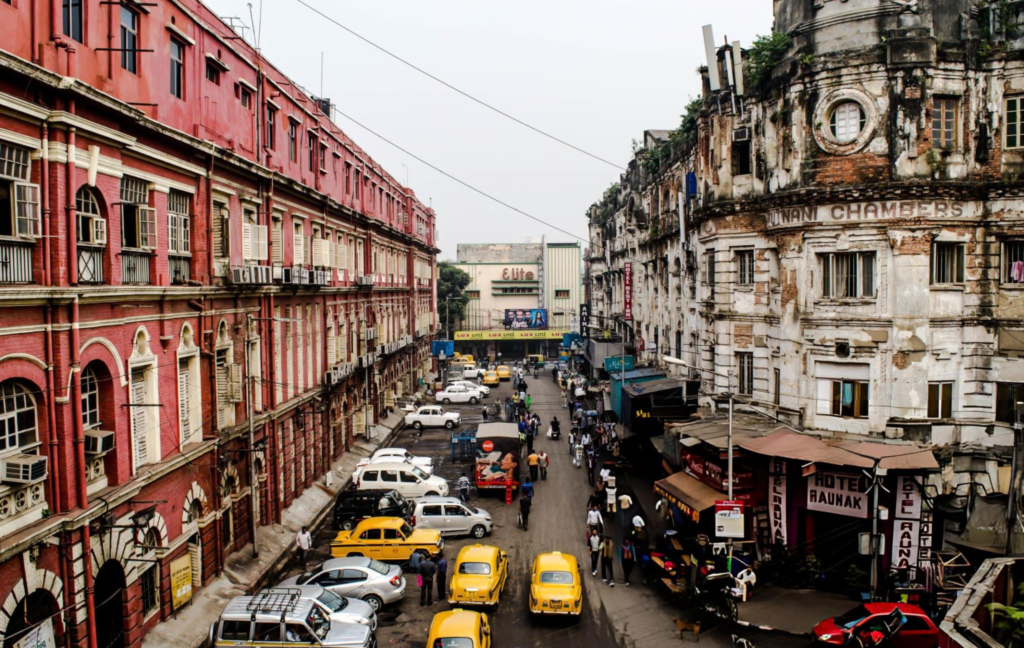
What is put forth in this history is how a foreigner’s legacy came to be associated with one of India’s oldest Chinese communities. It also brings to light how over the years different groups have played a role in the makeup of Kolkata’s identity.
From a Sailor’s bar to a Chinese settlement
During the 19th century, Chinese sailors who traveled the trade routes between India and China began to stop in Calcutta. Many chose to settle in the city instead of going back to their home. Over time, they established themselves in business, in restaurants, workshops, and in cultural institutions.
Walking into Tiretti Bazaar today, one still notes the legacy of that past. The neighborhood is a record of generations of migration, adaptation, and cultural exchange.
A Food Lover’s Paradise: The Popular Chinese Breakfast
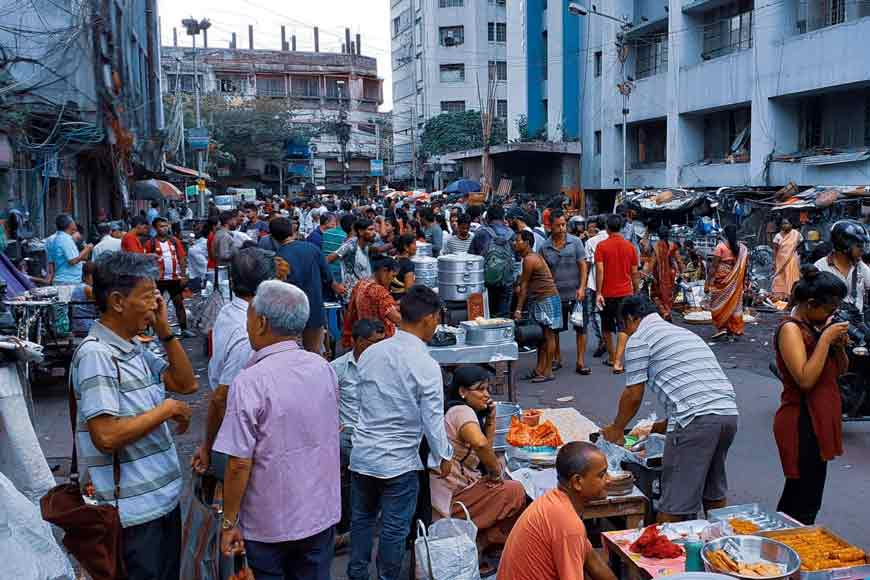
In terms of what to see and do, Old Chinatown is a must-visit for its food. The area is also known for its traditional breakfast, which draws in food lovers from all over Kolkata.
Imagine waking up to the smell of momos, steamed dumplings, noodles, fish balls and other Chinese treats. In the morning, the air is filled with the scent of food that you don’t get in other parts of the city.
For me, what I enjoy most in that kind of travel is trying out dishes which have a history of many generations of a culinary tradition as opposed to those which are familiar from standard restaurants.
Chinese New Year: A Heritage Fest
Chinese New Year is a time when Kolkata’s Chinatown comes alive. We see colorful lanterns, traditional dragon dances, firecrackers, and community celebrations.
The celebrations also put in the fore the issue of cultural tradition preservation. We see in this also the revival of what is related to the Chinese community, their temples, and the heritage of Tong Achi, which adds a different dimension to the festivity.
Temples, Traditions and Spiritual Connections
The Temple of Lord Guan is a key cultural and religious site in the area. It is home to the Chinese deity associated with loyalty and right action; the temple is also a peaceful setting for members of the Chinese Indian community to connect with their spiritual heritage.
Its traditional decor and tranquil atmosphere make it a point of interest during a visit to Chinatown.
Achipur: Tracing the Steps of History
Located at a distance of about 33 kilometers from Kolkata, Achipur presents another of Bengal’s interesting chapters of Chinese history. It is the home of Tong Achi, a Chinese immigrant who set up a sugar mill and plantation there.
The temple and grave of which he is associated is a draw for visitors, which includes many at Chinese New Year. A trip to Achipur adds to the experience of that which is Chinatown in Kolkata.
Conclusion
Kolkata’s Chinatown is a point of interest beyond the great food it is known for. It is a living testimony to migration, cultural exchange, and the communities which helped to shape the city. As you wander its historic streets, enjoy a traditional breakfast, or, in the winter that is coming up in 2026-27, drop in to see the festivals, you will have an experience to remember.
In some cases, the best way to see a city is through the stories that are present in its neighborhoods instead of its famous monuments. In Old Chinatown of Kolkata, we see that in full display.
About the Author