

Rishad Premji is a very respected business leader in India and serves as the Chairman of Wipro Limited, which is a global technology services and consulting company. As the son of the great industrialist and philanthropist Azim Premji, Rishad took over the reins of the family business, which also included a legacy of ethical business practices, innovation, and social but he did not rely solely on that legacy. He earned his role through years of dedicated work, learning, and hands-on experience within the company. Today he is known as the head of Wipro as it transforms in the digital age while at the same time upholding the company’s strong values and customer focus.
Rishad Premji Biography
Born in 1977 to Indian parents, Rishad Premji grew up in an atmosphere which stressed discipline, humility, and continuous growth. His father’s view that one must earn success through hard work instead of inherited privilege formed the base of Rishad’s ethics at a young age. This brought out in him great resilience, responsibility, and also a balanced approach to what is expected of a leader.
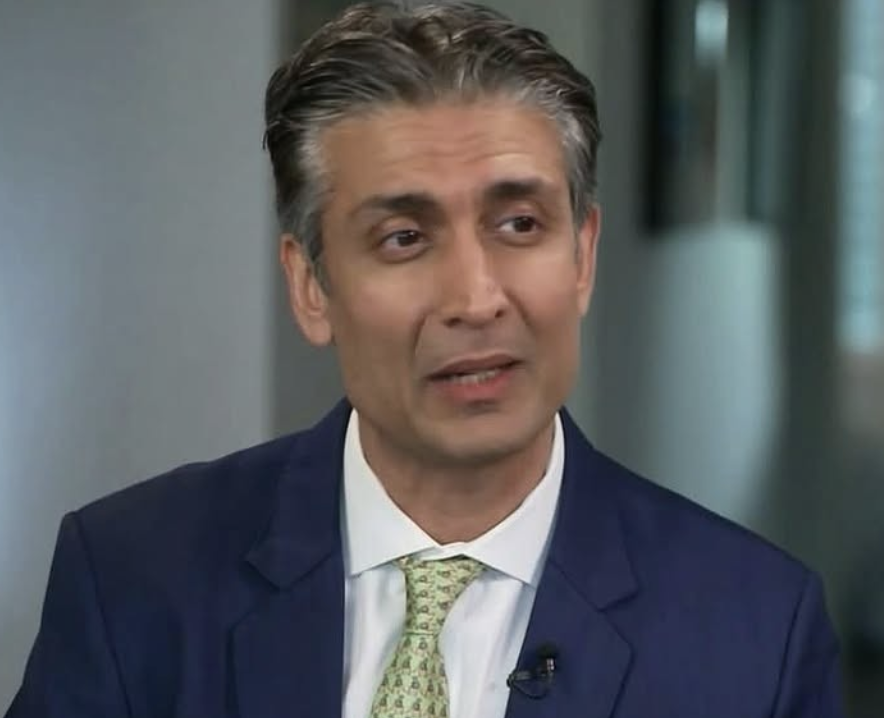
Rishad went overseas for his education, to which he was drawn, to expand his knowledge base and prepare himself for the world of business, which is ever-changing. He obtained a Bachelor of Arts in Economics from Wesleyan University in the U.S. Also, he did his MBA from Harvard Business School, which is among the world’s top schools for management education. In these academic settings, he grew in his study of economics, leadership, finance, and global business strategy.
Career
Before stepping into Wipro, Rishad had a very good run at General Electric (GE), which gave him a global business perspective and in which he also studied professional management practices. This experience gave him practical knowledge which in turn proved to be very useful in his leadership role.
Rishad began his time at Wipro in 2007, and over the years he took on in-depth roles instead of jumping into a senior exec position. He worked in fields like strategy, human resources, investor relations, and business development. This wide range of experience allowed him to study the company’s culture, its people, customers, and operational issues from many angles. His ability to learn from all levels of the org won him the respect of colleagues and staff.
In 1995, Rishad Premji took over as Chairman of Wipro from his father, Azim Premji. At the helm of a global tech company that was in the midst of great digital change was a great challenge. Under his guidance, Wipro has put focus on cloud computing, artificial intelligence, cybersecurity, digital engineering, and consulting services. The company has also been into innovation, doing strategic acquisitions and developing its people to stay competitive in the global IT space.
In addition to his work in business, Rishad Premji is very much into philanthropy, which is carried out by the Azim Premji Foundation. The Foundation works to improve the quality of education in India, which includes government schools. Rishad believes that businesses should play a positive role in society and that, for true success, financial performance is not the only metric that should be used; we also look at social impact. What he puts forth in terms of responsible leadership is what was instilled by his father into the business, which he has in turn adapted to today’s business issues.
Rishad Premji is known for his focus on people. What he puts forward is that employees are the core strength of any organization. In terms of practice, he fosters a work environment that encourages collaboration, continuous learning, diversity and inclusion, which in turn breeds innovation. Also, he is for open communication and thinks that leaders should be approachable and available to hear out all points of view.
Rishad is a pro at transformation. In the tech world, we see great change, which is why it is upon companies to constantly grow with what the customer wants and what the market is presenting. He at Wipro weaves in flexibility, puts money into digital tools, and also trains staff for what is to come. His approach shows that for lasting growth, a company must put out innovation and be very adaptive.

Seven Key Leadership Principles of Rishad Premji.
1. Lead with humility.
Although at the head of one of India’s largest tech companies, Rishad also remains down to earth. He puts forth that respect is a result of what you do, not what you title yourself.
2. Never stop learning.
Throughout his career, which has seen him grow as an individual and professional, we see the value in continuous learning, which is a key element of effective leadership in today’s world.
3. Put people first.
Successful organizations see growth when employees feel that what is important to them is also supported and given a stage to put forth their best.
4. Adapt to change quickly
The technology field is in a constant state of change, and Rishad promotes innovation, digital transformation, and continuous improvement to stay ahead.
5. Build on strong value
Integrity, transparency, and ethical decision-making are at the core of his leadership, which in turn strengthens trust with employees, customers, and investors.
6. Think beyond profits
Rishad reports that companies have a role to play in bringing about social good via education, sustainability, and community development.
7 Prepare for the future
Rather than short-term results, which is the focus for many, he pushes for long-term play, investment in people, and adoption of new tech, which will bring about sustained success.
Conclusion
Rishad Premji is the epitome of the new wave of Indian business leaders, which has seen individuals combine innovation with integrity. From an economics student to Wipro’s Chairman, he has spent years preparing himself, proving patience and responsible leadership. Through his focus on ethics, development of employees, digital transformation, and social responsibility, he has0 which, at the same time, kept Wipro’s legacy alive and prepared the company for what is to come. Also, his leadership, which is a case study for aspiring professionals, shows that sustainable success is achieved through humility, continuous learning, adaptability, and a great social impact.
About the Author