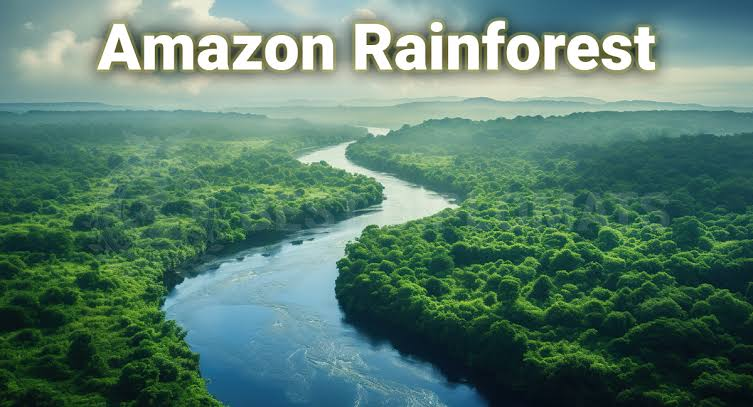

Whenever out of the blue the thought of the Amazon Rainforest comes to me, I see a vast sea of green which goes on forever. As a kid, I was into the docs that showed the colorful macaws, the elusive jaguars, and the seemingly interminable rivers. Still, to this day, the Amazon amazes me not for its size alone but for the very important role it plays in the world’s ecosystem.
The World’s Largest Rainforest
The Amazon Rainforest, which is to date the largest tropical rainforest in the world, extends over almost 5.5 million square kilometers through nine South American regions. Sure, the majority of it is in Brazil, but it also stretches into Peru, Colombia, Bolivia, Ecuador, Venezuela, Guyana, Suriname, and French Guiana.
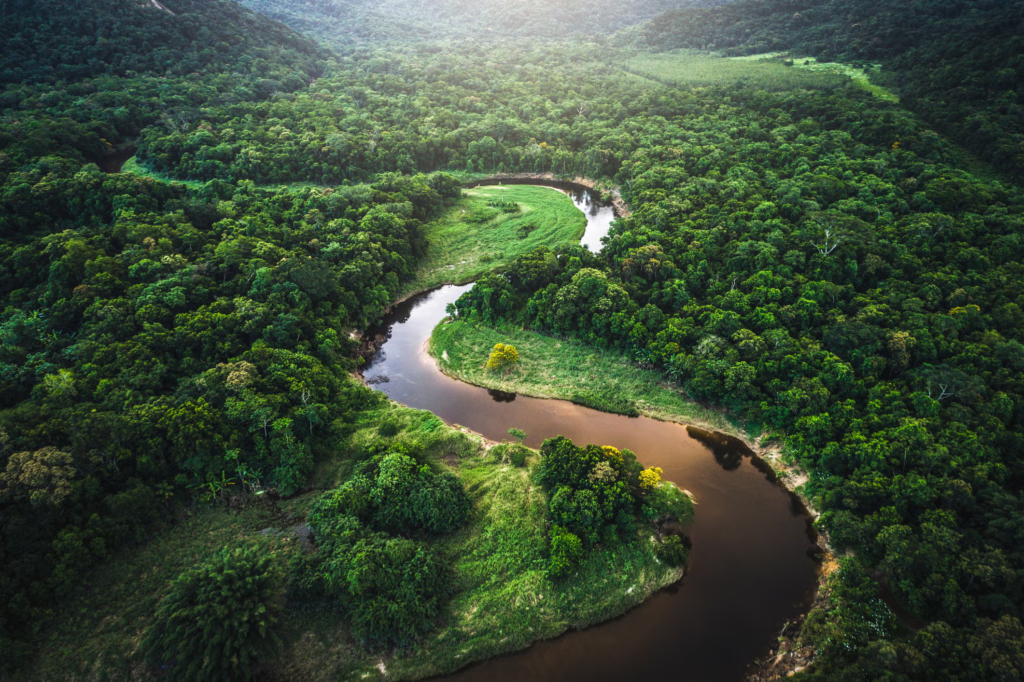
The Amazon, which is what many think of as the heart of the Earth’s biodiversity has home to almost 10% of all known plant and animal species. Also, it is the home to a large network of rivers, which is headed up by the Amazon River, which in turn supports a great many ecosystems and which, for generations, has been home to people living in balance with nature.
Incredible Wildlife and Plant Diversity
In Amazon’s very own way, it is a home to an amazing array of species. Almost every other day, we see reports of a new species that we didn’t know about, which also indicates that we still have a large part of this rainforest to explore.
The forest is home to great icons like jaguars, sloths, anacondas, pink river dolphins, poison dart frogs, toucans, macaws, and giant river otters. Also, we find millions of insects and thousands of fish species.
Equally so is the plant life that we see. Giant Brazil nut trees, rubber trees, orchids, bromeliads, and climbing vines, which climb from tree to tree, make up many layers in the forest, which in turn support a very complex web of life. Also, many plants have very specific insects and animals that they depend on for pollination and seed dispersal, which in turn makes this ecosystem a very interrelated and interconnected one.
Why the Amazon Matters
The Amazon is home to what may be the planet’s greatest natural systems. It stores large amounts of carbon, regulates regional weather patterns, and also plays a key role in the global water cycle through evaporation and rainfall.
Beyond the environmental value, the rainforest is also home to hundreds of indigenous communities, which in some cases practice a nearly isolated way of life. They have long preserved the forest through traditional methods and also put forth models of sustainable living.
Challenges in 2026
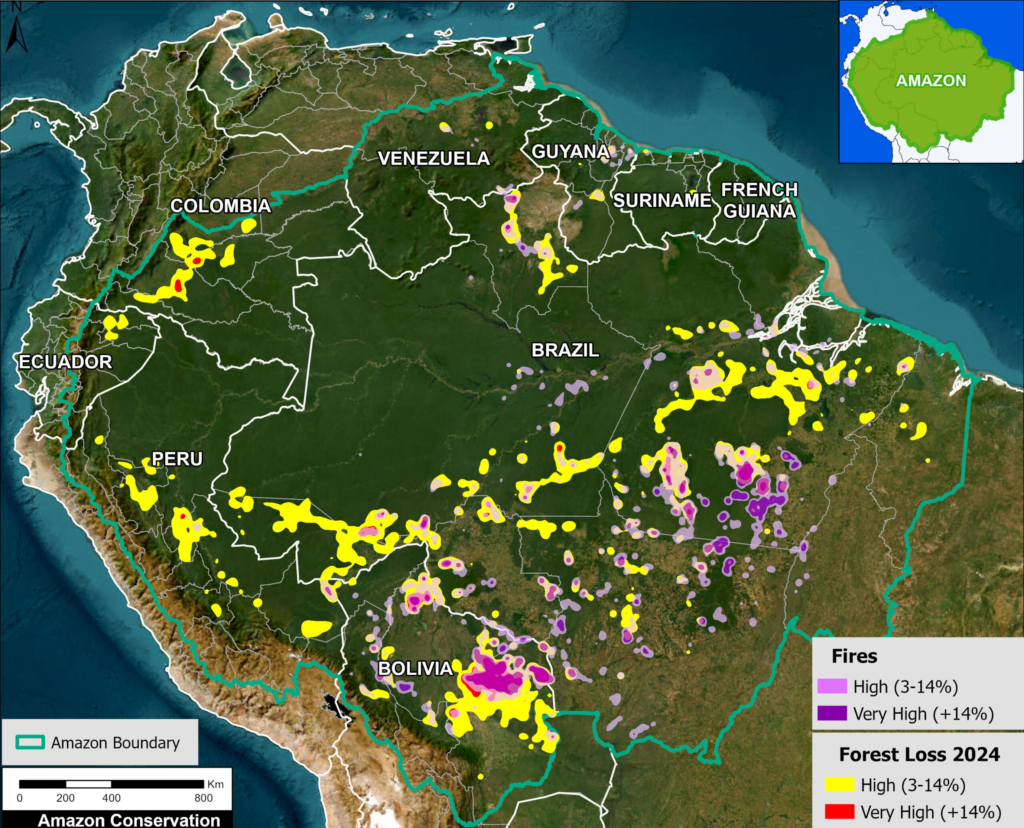
Even though the Amazon is of great importance, it is still very much at risk. Illegal logging, agricultural growth, cattle ranching, and mining have had a large role in reducing the forest coverage over the years. Also, we see an increase in the occurrence of droughts, which is a result of climate change, which in turn puts more pressure on this delicate ecosystem.
Fortunately, in the present time, governments, scientists, conservation groups and local communities are working together for sustainable development, forest protection and the restoration of degraded areas. Although we have seen progress, the protection of the Amazon is still a worldwide responsibility.
Conclusion
The Amazon Rainforest is a complex living system that includes much more than what meets the eye. It is a home to diverse species, a player in the climate regulation game, and a life support for millions. I have come to see through the study of the Amazon how human health and welfare are tied to that of the natural world. We must protect this amazing rainforest, which is not just a stage for wild animals but a key player in the sustainability of our planet for the generations to come.
About the Author