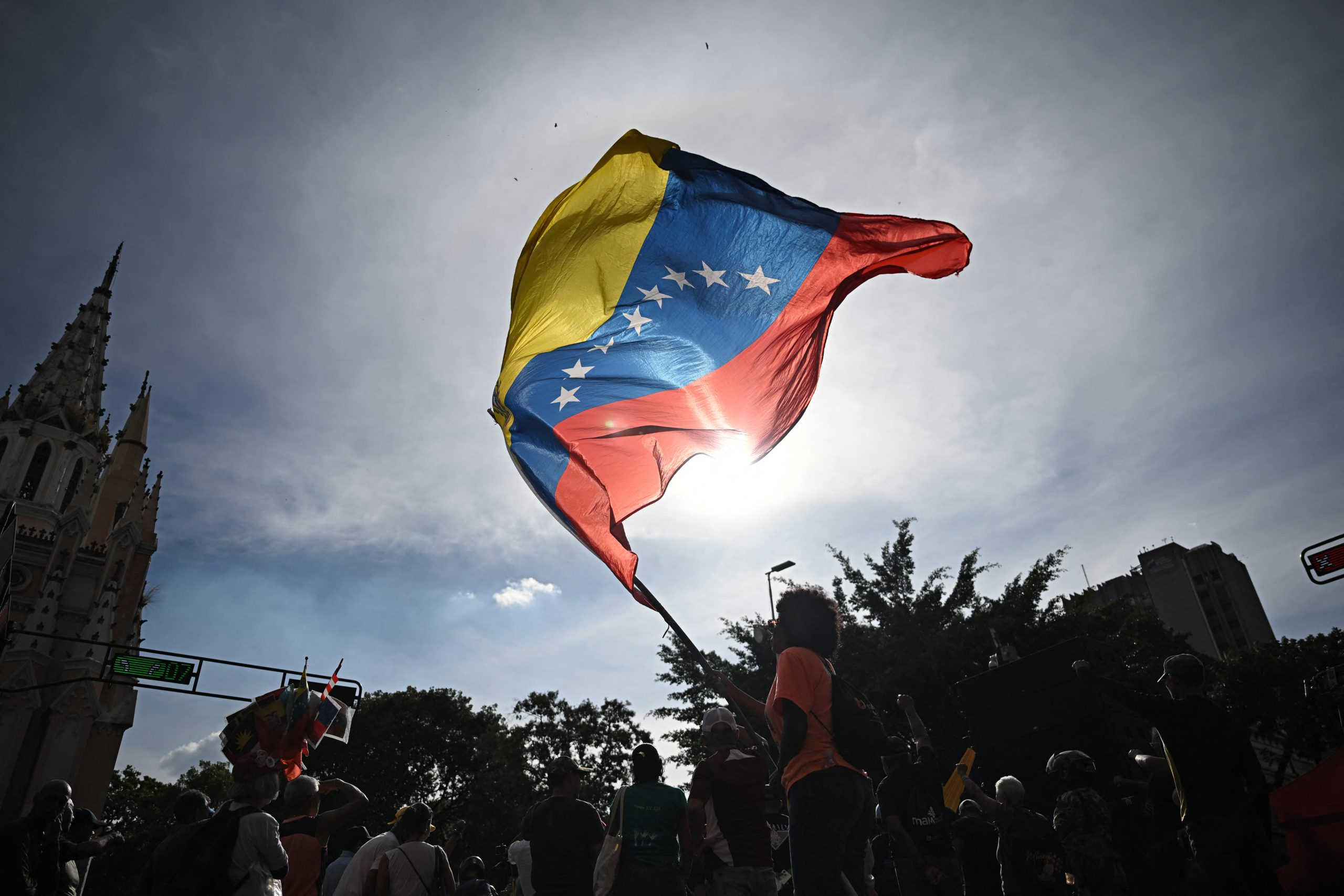

When it comes to South America, what we immediately think of are countries like Brazil and Argentina. But Venezuela is a gem that should get equal notice for its amazing landscapes, rich geography, and very interesting history. In research I did what stood out to me was how one country can have massive mountains, thick rainforest, and Caribbean beaches all within its borders. Its natural diversity, which also extends to its fauna and flora, makes it a very special destination in the area.
Geography and Landscape
Located in the north of the South American continent, which is home to Venezuela, which also includes as neighbors Brazil to the south, Colombia to the west, and Guyana to the east. Also, which report to have a very long Caribbean coast, which is of great size at almost 2,800 kilometers (1,740 miles), which in turn makes it a very large region for the scenic beaches and coastal ecosystems.
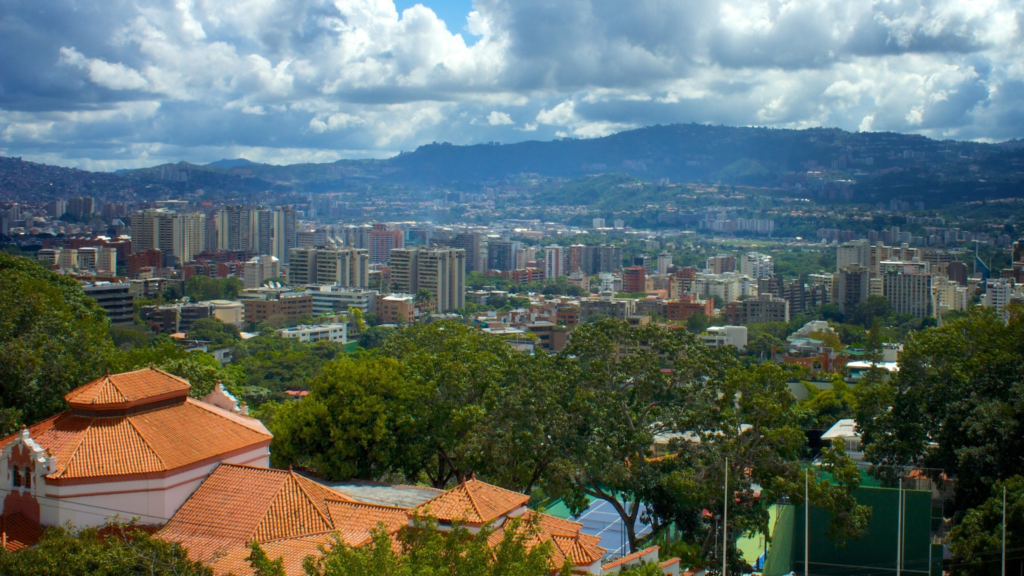
Venezuela is known for its great diversity in its terrain. In the west, the land is dominated by the very rugged Andes Mountains. Also, in the south, you find the Amazon rainforest, which is a very rich ecosystem. Also at home are a large number of national parks which protect the amazing wildlife, forests, waterfalls, and mountain ranges.
In Venezuela, the highest point is Pico Bolívar, which stands at 5,007 meters (16,427 feet) above sea level. The lowest point in the country is the Caribbean Sea at sea level.
Climate
During the time from December to May, which is the dry season, and the wet season, which falls in the other months. This tropical climate, in turn, supports great biodiversity and lush green landscapes.
History Behind the Name
The origin of Venezuela’s name is a matter of debate. On his voyage, Christopher Columbus was so taken in by the beauty of the region that he described it as a “Land of Grace,” which to him seemed like paradise. Later out at sea, explorer Amerigo Vespucci noted that the dwellings perched over the water reminded him of Venice, Italy. From that is which the region was named – Venezuela, which in Italian means “Little Venice”. Some historians, though, report that the name may have come from the Indigenous group that we know as the Venezuela people.
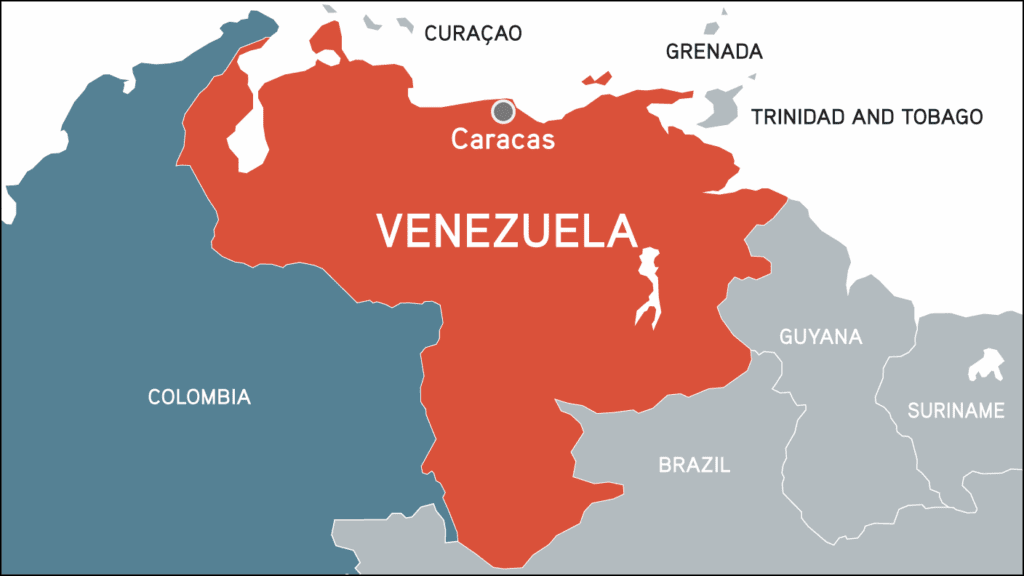
Key Facts About Venezuela
- Capital City: Caracas.
- Total Area: 905,745 sq. km (350,264 sq. mi).
- Land Area: 882,050 sq km.
- Water Area: 30,000 square km.
- Highest Point: Pico Bolívar (5,007 m).
- Lowest Point: Caribbean Ocean (0 m).
- Coastline: 2.800 km.
- Bordering Countries: Brazil, Colombia, and Guyana are also included.
Conclusion
In many amazing ways in which nature, geography, and history coincide, that is what you will find in Venezuela. The Andean mountain ranges, which reach towards the sky, the huge Amazon rainforest, and the scenic Caribbean coast are all within the same country. I have put together a great deal of knowledge on the matter, and from that I have to say that what stands out is the large-scale diversity in the world which we see there. Also, it is a country that really does present to you the best of natural beauty as well as a very complex past.
About the Author