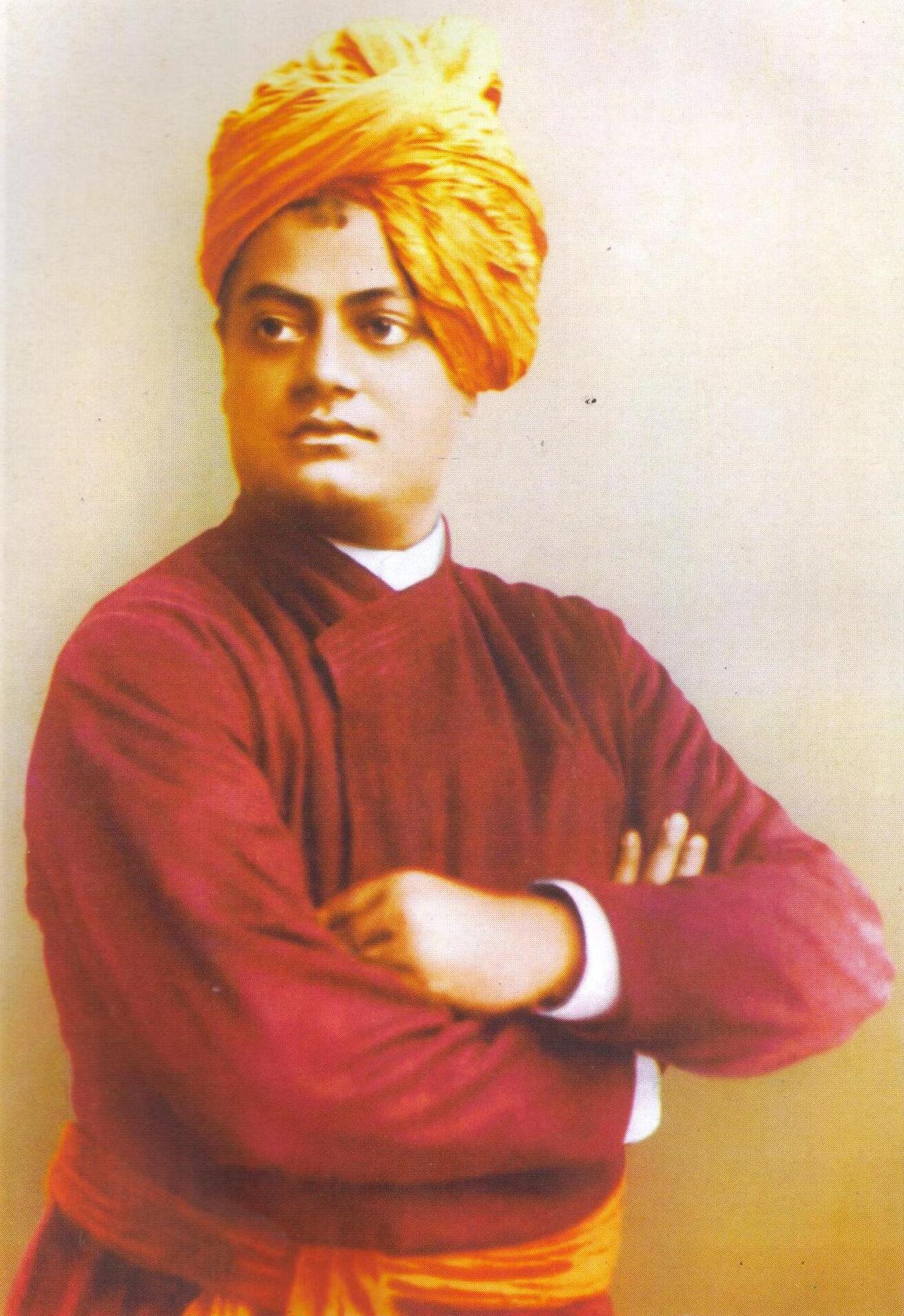

Swami Vivekananda is a preeminent figure in Indian thought. Born as Narendranath Datta on the 12th of January 1863, he took to the stage to present Vedanta and Indian spiritual philosophy to Western audiences. His words, works and teachings are still very much a part of global discussion.
Swami Vivekananda passed away at a young age but left a great spiritual and social legacy.
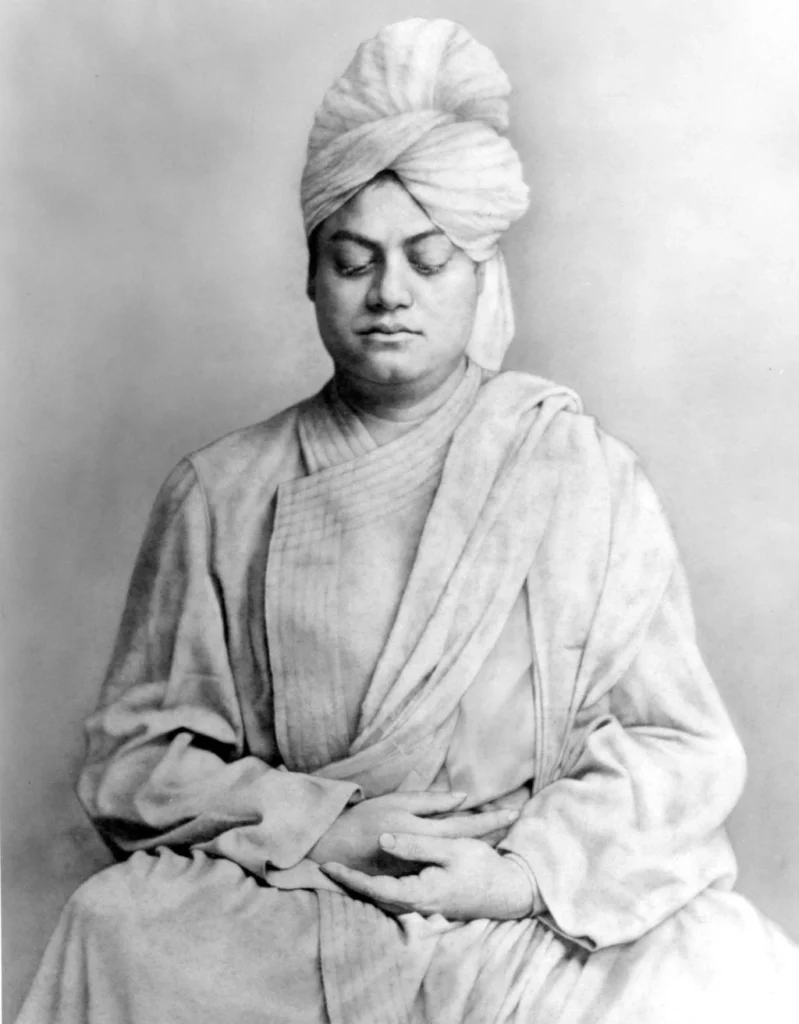
When Did Swami Vivekananda Die?
Swami Vivekananda passed away on July 4, 1902, at Belur Math, which is in present-day West Bengal. At the age of 39. As reported by the official Belur Math account, his health had broken down in the end, which was brought about by a long-term series of intensive activities which included travel, lectures, and management of the Ramakrishna Math and Mission.
His last day was spent at Belur Math. The report says he spent several hours in meditation that morning and also that he was engaged in his spiritual and educational pursuits for the rest of the day.
What caused Swami Vivekananda’s death?
Swami Vivekananda’s exact cause of death is still not determined from present medical reports.
Historians believe that his death was due to a blood vessel in the brain, a condition which is also reported to be a cause of death in him. At the Indian Statistical Institute, a biographical museum publication also reports that he died of a ruptured brain blood vessel.
At the same time, reports of his last days vary. Also, it is more accurate to report that a brain haemorrhage or cerebral vascular event was a possible cause, which is what the reports present instead of putting it forth as a medical fact.
What Happened on His Last Day?
According to the reports from Belur Math, on the morning of July 4, 1902, it was a day of meditation. That day Vivekananda spent almost three hours in meditation. Also, he taught and talked about the Vedas, Sanskrit and the monastic order’s plans.
Later at night, he retired to his room for his spiritual practice. At Belur Math, it is reported that he entered into final meditation and passed away in that room.
In the Ramakrishna tradition, his death was reported as Mahasamadhi, which is a term we use for the death of a realised spiritual teacher.
Where Was Swami Vivekananda Cremated?
After his death, Swami Vivekananda’s body was cremated at Belur Math by the banks of the Ganga. Also, it is recorded that Vivekananda had in fact chosen the place for his cremation a few days before he died. A temple today stands in that same spot.
That which has grown to be an integral part of Belur Math and is home to his memory and legacy.
Why Did He Die So Young?
Swami Vivekananda’s health is reported to have declined in the later years of his life. His extensive travel, public speaking and very dedicated spiritual and organisational work took their toll. The official Belur Math biography reports that he broke down due to his non-stop work, which also included giving lectures and trying to inspire people.
However, we must not put forth one particular health issue as the cause of his death, which is not supported by at present available medical data.
Swami Vivekananda’s Legacy
Although Swami Vivekananda was 39 at the time of his death, his legacy lived on for many years. He also founded the Ramakrishna Mission in 1897, which put forward a model of combining spiritual growth with education, health care, social service and relief work.
His in July 4, 1902 put an end to a short yet very influential life. Today we see and remember his teachings on Vedanta, self-confidence, service and spiritual development, which he still puts forth in the world.
About the Author