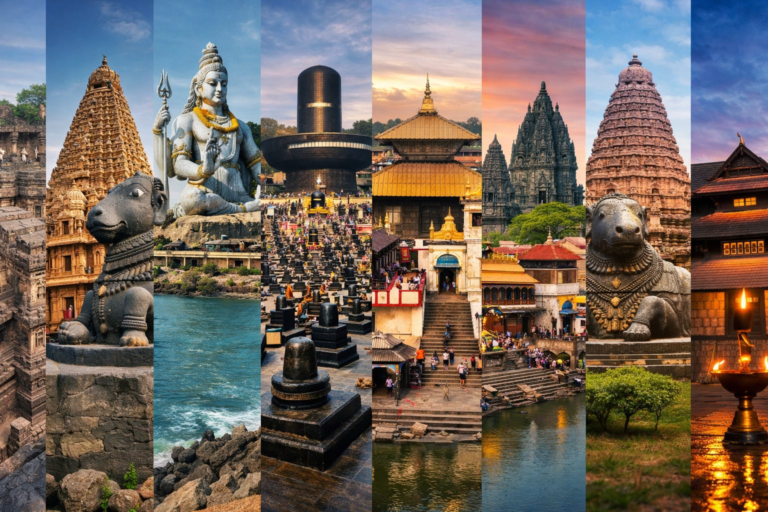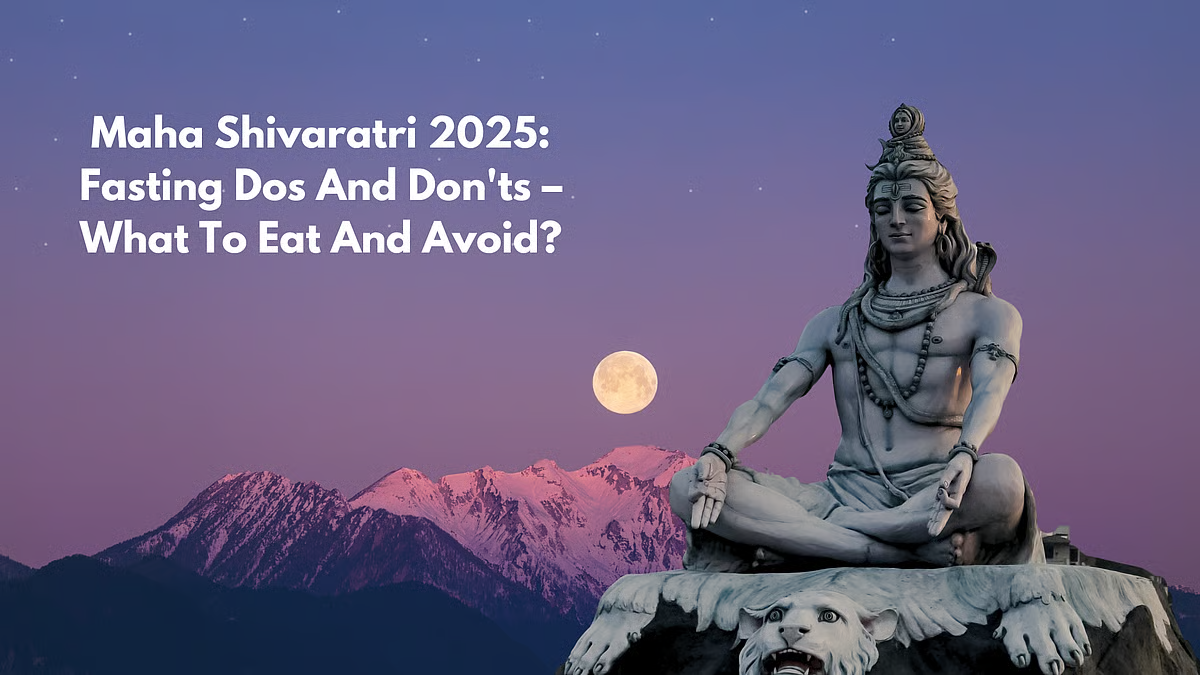

For many centuries, fasting has been of great importance in Hindu tradition. It can be referred to as vrata and is associated with self-control, devotion, and spirituality. Along with Hinduism, this practice can be seen in Jainism, Buddhism, and Sikhism as well. Fasting can be performed along with prayers, festivals, and rituals.
Significance of Fasting
In Hinduism, fasting does not mean just the refusal to consume food; it implies that the devotee is moving away from pleasures and experiences of the world. Fasting is believed to help people master their desires.
Hindu scriptures mention the reasons for fasting, including vows, repentance, and purification. There are different fasting types. Some of them involve the refusal to eat certain foods, while others represent strict fasting until a certain period. In modern days, fasting can also be adapted according to the needs and health of an individual.
Fasting as an Offering
Hindu worship traditionally places considerable importance on offering food to the deity before consuming it. The reason behind this (the earlier mentioned idea) is this: Humans are supposed to pay tribute to the divine and be grateful, rather than just count riches as something they acquire themselves.
For example, the Bhagavad Gita states that offering one’s food and deeds to God is a holy matter. Thus, fasting may also be seen as a form of devotion. Instead of eating one’s fill, the believer concerns oneself with prayer and worship.
Importance of fasting during Maha Shivaratri
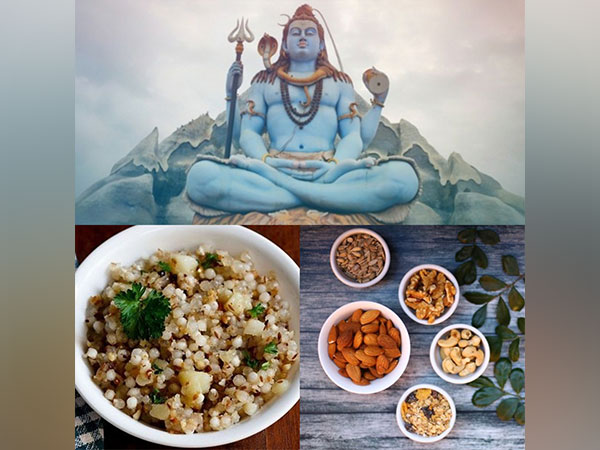
Devotees traditionally spend the occasion praying, performing rituals, chanting Shiva’s names, and maintaining a vigil during the night.
For followers of Shaivism, worship and fasting are closely connected. Devotees may refrain from regular meals until completing their worship and offerings. Maha Shivaratri intensifies this practice because the celebration traditionally continues through the night.
The festival is also associated with self-discipline and inner transformation. Rather than viewing the night merely as a period without sleep, devotees may use the vigil for meditation, reflection, prayer, and spiritual contemplation.
Why Is Shivaratri Celebrated at Night?
The word Shivaratri literally refers to the “Night of Shiva.” Hindu philosophical traditions associate different times of the day with different divine functions, while night is symbolically connected with Shiva’s role as the force of dissolution and transformation.
Shiva’s association with darkness does not necessarily represent negativity. Many interpretations of Shaivism state that darkness and disorder depict the removal of ignorance and boundaries. Therefore, nighttime creates the image of a period of introspection and surpassing spiritual barriers.
The Three Gunas and Inner Purification
Hinduism speaks of three main attributes—sattva, rajas, and tamas. These attributes affect people’s thinking, feelings, and actions. A lot of attachment and desire lead to an existence within the world.
Therefore, the meaning of the Maha Shivaratri celebration lies in the opportunity to become purer and improve oneself. That is why the rituals performed by followers of Hinduism are so essential.
What the Process of Jagaran Means
Within the celebration of Maha Shivaratri, jagaran is a special practice of staying awake during the night. Those who celebrate Maha Shivaratri spend these hours going to temples, singing or praying, meditating, and worshipping Shiva.
The essence of this practice is being spiritually awake throughout the night. Fasting, as well as staying awake during the celebration of Maha Shivaratri, allows followers to have a personal experience and reflection.
A Festival of Devotion and Renewal
Maha Shivaratri embodies several vital Hindu principles, such as discipline, faith, self-restraint, meditation, and the pursuit of freedom. The traditions associated with Maha Shivaratri urge believers to discard their usual ways of life and concentrate on the divine.
Ultimately, within Shaivism, fasting and staying awake at night are not only seen as physical activities, but also as acts aimed at attaining mental clarity, getting rid of attachments, and getting the grace of Shiva.
About the Author