
Introduction to Microsoft
Microsoft is one of the world’s most influential technology companies, shaping how people work, communicate, and innovate. Founded in 1975, Microsoft has continuously evolved—from software dominance to cloud computing, artificial intelligence, and enterprise solutions. In 2026, its mission and vision statements remain central to understanding the company’s strategic direction and global impact.
Also Read: Anupam Mittal Age, Height, Education, Wife, Career, Net Worth In 2026
Microsoft Mission Statement (2026)
Microsoft’s mission statement is:
“To empower every person and every organization on the planet to achieve more.”
Mission Analysis
This mission reflects inclusivity, scalability, and empowerment. The phrase “every person and every organization” highlights Microsoft’s intention to serve individuals, small businesses, enterprises, governments, and educational institutions alike. In 2026, this mission is clearly visible in Microsoft’s wide ecosystem—Windows, Microsoft 365, Azure, LinkedIn, GitHub, and AI-driven tools.
The word “empower” is key. Microsoft does not position itself as a controller of technology, but as an enabler. Its tools are designed to increase productivity, creativity, collaboration, and accessibility. Features like AI-powered assistants, accessibility tools for differently-abled users, and cloud services for startups directly align with this mission.
Microsoft Vision Statement (2026)
Microsoft’s vision focuses on creating technology that improves life and work through innovation, trust, and responsibility.
Vision Analysis
Microsoft’s vision in 2026 emphasizes long-term impact rather than short-term dominance. The company envisions a future where technology is not only powerful but also ethical, secure, and human-centered. This is evident in its heavy investment in artificial intelligence governance, cybersecurity, data privacy, and sustainability.
The vision also reflects Microsoft’s shift from being a software-first company to a platform and cloud-first organization. Azure, AI services, and enterprise solutions form the backbone of this future-focused outlook. Microsoft aims to be the infrastructure behind digital transformation rather than just a product provider.
How Mission and Vision Shape Microsoft’s Strategy
In 2026, Microsoft’s mission and vision directly influence its business decisions:
-
AI with responsibility: Focus on ethical and explainable AI
-
Cloud for everyone: Scalable solutions for startups to global enterprises
-
Hybrid work culture: Tools that support remote and flexible work
-
Sustainability goals: Commitment to carbon negativity and eco-friendly operations
These priorities show how Microsoft translates abstract statements into measurable action.
Why Microsoft’s Mission and Vision Matter in 2026
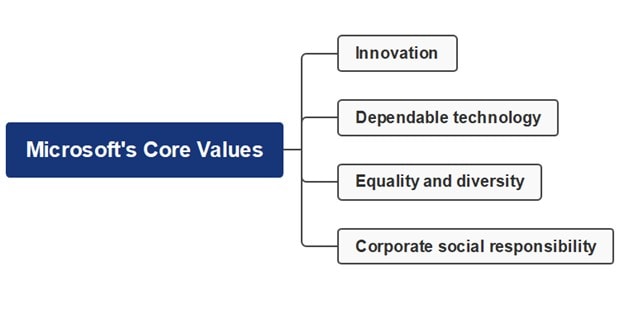
In an era of rapid technological change, Microsoft’s clarity of purpose helps maintain trust. Its mission ensures accessibility and productivity, while its vision safeguards long-term societal impact. Together, they position Microsoft as a technology leader that balances innovation with responsibility.
Visit: https://amzn.to/4jIpj76
Conclusion
In 2026, Microsoft’s mission and vision are not just corporate statements—they are strategic compasses. By focusing on empowerment, ethical innovation, and global inclusivity, Microsoft continues to shape the digital future in a way that benefits individuals, organizations, and society as a whole.
About the Author