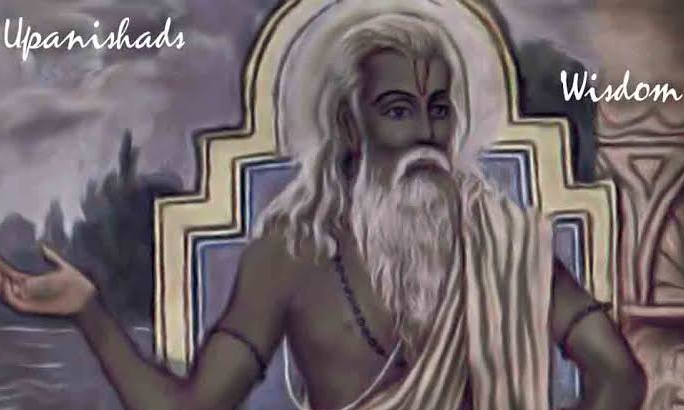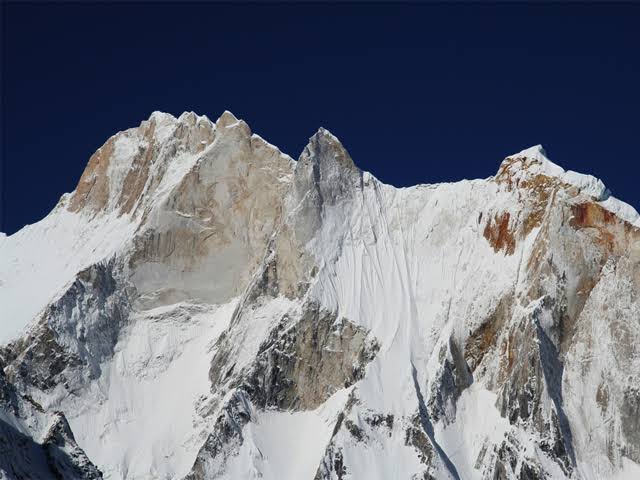

Mount Meru, also known as Sumeru or Mahameru, is central to the traditional cosmology of Hindu, Buddhist, and Jain thought. As is the case with what we may term a typical geographical mountain, Meru’s description in sacred texts is that of a cosmic mountain which is at the world or universe’s centre. Thus, its importance is mostly in religious, philosophical and symbolic terms.
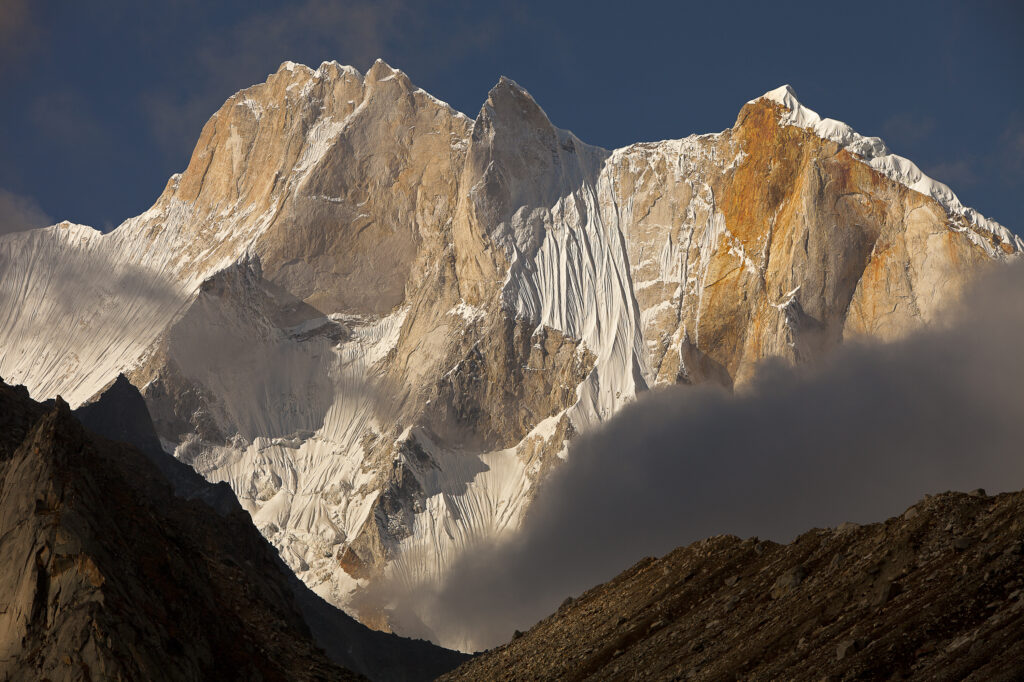
What Is Mount Meru?
In Hindu tradition, Mount Meru is described as a great golden mountain in the centre of Jambudvipa, which in turn is part of what is detailed in the cosmology of the Hindus. Also in the Vishnu Purana, Meru is presented as a golden mountain at the centre of Jambudvipa, which is given very large cosmological proportions.
The mountain does not fit the image of a typical peak which modern travellers set out to scale. In different religious reports and traditions, its size, shape and location are described in very different terms. That is in part what makes it still very difficult to identify Mount Meru with a known present-day mountain.
Mount Meru in Hinduism
Mount Meru is a key element in Hindu cosmology. In many Puranic stories, it is presented as the centre of the traditional universe.
In the Vishnu Purana, Meru is reported to rise 84,000 yojanas above the earth and to extend 16,000 yojanas into the earth. It also uses very large symbolic cosmological measures for Meru’s summit and base.
Meru also is the home of the gods. In the Hindu tradition, we see that what surrounds it is of great wonder, including divine beings, rivers, forests and other sacred elements. Also in the Mahabharata, Meru is described as a radiant golden mountain which is a link between the divine world and us.
Mount Meru in Buddhism
Mount Meru in the Buddhist tradition is known as Sumeru. Also in Buddhist cosmology, Mount Meru plays a central role. It is the axis of the world system, which has various realms and continents arranged around it.
According to Buddhist cosmography, the top of Mount Sumeru is home to Trāyastriṃsa, the Heaven of the Thirty-Three, which in turn is where Śakra and other divine beings are said to live. Also reported are the four great kings, which are to be found on terraces below the summit.
The mountain is a setting for a series of ring-like mountain ranges and seas which in turn form the traditional Buddhist model of the universe.
Mount Meru in Jainism
In Jain cosmology, Mount Meru or Sumeru is at the centre of the middle world. It is associated with Jambudvipa and plays a key role in the Jain description of the universe.
Although it may differ in the details, at the core the position of Meru is the same in both Hindu and Buddhist traditions.
Is Mount Meru a Real Mountain?
In terms of scientific fact, Mount Meru as described in these religious cosmologies does not have a determined geographical location. What we see instead is a variety of historical interpretations which include association with the Himalayas or other places. Also, in some traditional astronomical works Meru is put forth as being at the world’s centre or in the north.
Thus we must not confuse the sacred Mount Meru with present-day mountains which bear the same name.
For instance, at Mount Meru in Tanzania we have a natural volcanic mountain, but that is a separate entity from the Mount Meru which appears in Indian religious cosmology. The name may be the same, but the two mountains are not related.
What Does Mount Meru Symbolise?
Beyond the physical geography, Mount Meru is looked at as a cosmic axis or centre. It’s elevated to play out the role which joins various planes of existence and also serves as an organisational point for the traditional universe.
Such a representation accounts for the fact that Mount Meru is a feature of many Indian religious systems’ cosmology and that what we see is an influence of this theme in religious art and architecture.
Final Thoughts
Mount Meru is a key element in the religious and philosophical thought of South Asia. In 2026, we see that it still plays a relevant role as it is at the crossroads of mythology, cosmology, spirituality and ancient thought that dealt with the structure of the universe.
The heart and hub of the traditional cosmos.
About the Author