
Know About Skanda: The War God in Hinduism in 2026
Few gods in the Hindu pantheon carry as many names as Skanda. Kartikeya, Murugan, Kumaraswami, Subramanya, Guha: each name points to a different side of the same figure. He is the young commander of the divine armies, and he has been inspiring devotion across India for well over two thousand years.
A God Born With a Mission
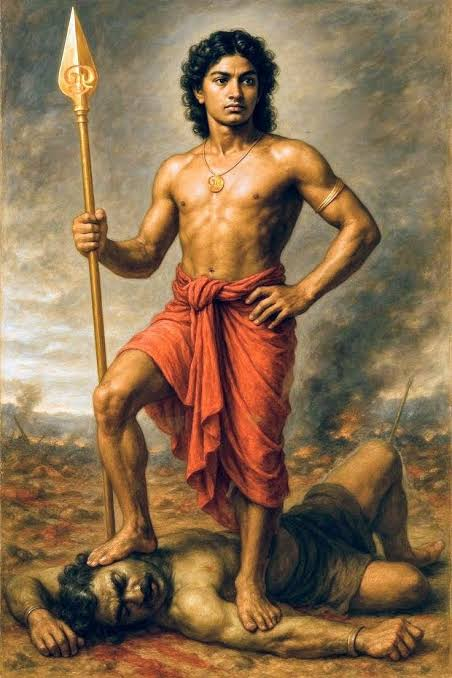
Skanda’s story begins with a crisis. The demon Tarakasura had grown so powerful that the gods could not stop him, and only a son of Shiva could end his reign. So Skanda was brought into being for that single purpose. Shiva appointed him commander of his celestial host and sent him into battle. Though he looked like a boy, he fought fiercely and defeated the demon, earning the title Tarakari, “enemy of Taraka.”
His other names tell the rest of the story. Six celestial mothers from the Krittika star cluster, the Pleiades, nursed him as an infant, which is how he became Kartikeya. “Skanda” means “the attacker,” a nod to his fury on the battlefield. Yet away from war he is calm and gentle, and devotees also call him Shantakumara, the peaceful youth. He earned yet another title, Krauncha-bhetta, by splitting the Krauncha mountain apart.
How He Looks
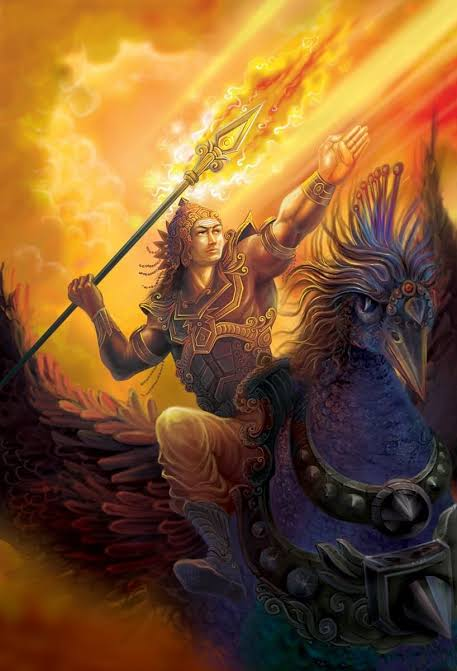
Skanda is nothing like his round, playful brother Ganesha. Artists portray him as athletic and dark-skinned, with a sharp, confident presence. He rides a peacock, often shown with a snake beneath its feet, and carries a spear. Some images show him with six heads and twelve arms, others with one head and two. His two consorts, Valli and Devasena, usually stand beside him.
His shrines tend to crown hilltops, echoing the mountain-dwelling habits of his father, Shiva.
An Ancient Deity With Deep Roots
Skanda is no recent invention. Coins from the Kushana period, struck around the early centuries of the Common Era, carry his image and were found in northwestern India. Scholars see his rise as a mirror of changing religious currents. As Shaivism grew stronger, older Vedic gods such as Indra gradually slipped into secondary roles as guardians of the directions, and Skanda, Shiva’s son and a rival of Indra in the myths, came forward.
The Ayyappa Connection
Skanda’s popularity has surged in recent decades, partly through his link with Ayyappa, the deity of Sabarimala in Kerala. Legend says Ayyappa, originally named Manikanthan, was born from the combined power of Vishnu and Shiva, which is why he is called Hariharaputra. He was raised by a king, defeated the demoness Mahishi at twelve, and then vanished, asking that a temple be built on the hill. Some believers regard him as an aspect of Skanda.
Each winter, millions of pilgrims make the journey. They wear black, keep a strict 40-day vow of discipline and celibacy, and trek through forest paths chanting Ayyappa’s name.
Why He Still Matters in 2026
Skanda’s story endures because it is about courage that arrives early and discipline that holds steady. He is a young hero who does what must be done, and then returns to peace. Whether you meet him as Murugan in a Tamil hill temple or as Ayyappa on the Sabarimala trail, the appeal is the same: a god who proves that strength and serenity can live in the same person.
About the Author