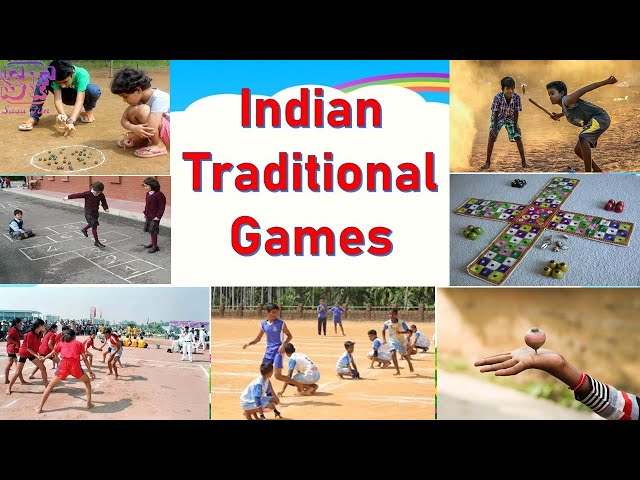

There are many reasons to be nostalgic about school recess. Remembering the sound of the bell ringing and the rush to get outside and play with your friends. All those little moments during the breaks were filled with laughter, energy, and a sense of freedom which could never be recaptured now! Almost all our lives are digital today, but the memories continue to reside in a special place in our hearts (and in our memories).
That playful nature has not gone away; it just needs to be rediscovered! Traditional Indian games were a fundamental part of every child’s upbringing at one point in time and offer young people more than just fun; they are a means of learning about culture, working together, and engaging in physical activity. Playing these games again is like rediscovering one of the best pieces of our heritage.
Pithu (Seven Stones): A Game of Strategy & Skill
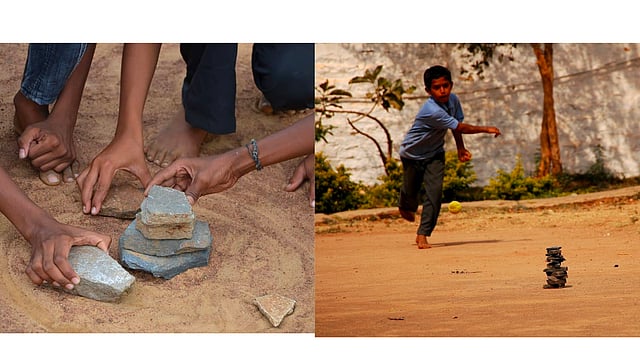
Pithu is known by many names (like Lagori and Seven Stones), but it has been played for years within the confines of school playgrounds. Players stack flat stones on top of each other (the base stones will be different sizes) and then throw a ball to knock them down; the opposing team, then, tries to stack them back up again.
Pithu is believed to be very old; references to it are even found in mythology (there are stories about Lord Krishna playing a game similar to this). Besides being fun, the game facilitates skill development through coordination, teamwork, and making quick decisions—many of which continue to be important today.
Rumal Jhapatta: Quick Reflexes in Action
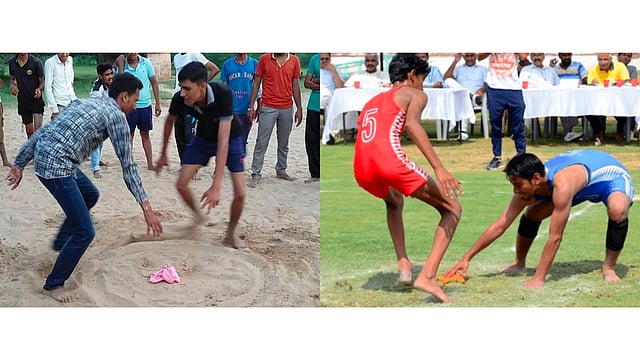
Dog and the Bone, or Rumal Jhapatta, is a team-based game where participants run to a piece of cloth (or other small item) positioned between two groups, grab the piece of cloth, and return to their starting area without being tagged.
Rumal Jhapatta originates from an Indian state, primarily Rajasthan; as such, it is characterized by speed, quickness, and strategy. Because of its minimal equipment requirements, the game can be played almost anywhere; therefore, it has been widely played throughout India, especially in schools.
Kho Kho: Speed, Agility, and Heritage
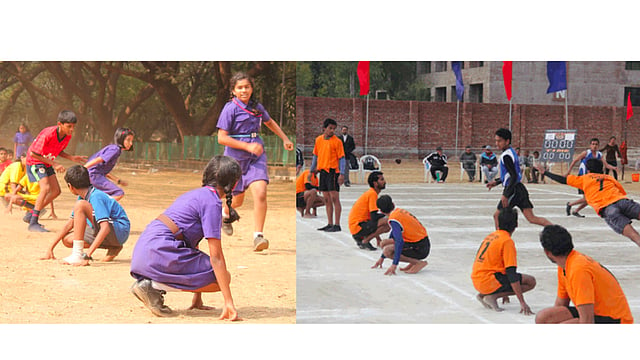
Kho Kho is one of the best-known traditional sports in India. It has its roots in several storylines from the Mahabharat and has preserved its historic traditions and concepts of chasing and evading.
In the 20th century, Kho Kho evolved into a modern sport with a standardized set of rules; it is played as a recreational and competitive activity. This pastime helps develop endurance, quickness, agility, and teamwork among its participants.
Stapoo (Skip/Jump): A Timeless Global Game with Indian Heritage

Stapoo (Jump or Skip) is played by many nations. In India, it is usually referred to as Kith-Kith or Langadi. There is much debate about the source of its origin, but evidence indicates that the game has roots in ancient Rome. Roman soldiers played a version of the game to help them develop their physical skills before being assembled into battalions.
In India, children have turned Stapoo into a fun playground game. Though jumping on grids drawn on the floor sounds very easy, it improves your balance, coordination, and focus.
Gilli Danda: Indian Style Bat and Ball Sports
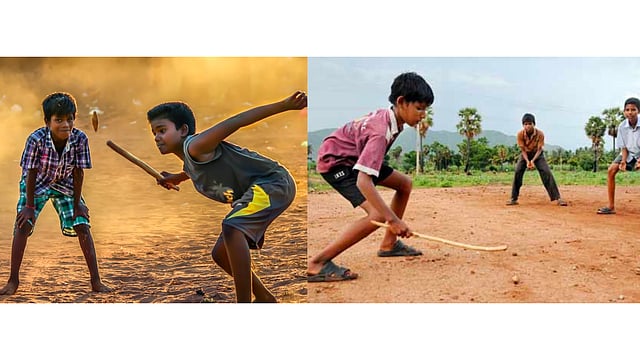
Frequently compared to the popular sports such as cricket and baseball, Gilli Danda requires hitting a small stick (gilli) using another longer stick (danda). Gilli Danda has a long history in rural areas of India and has contributed to developing other bat and ball games.
The game is a combination of accuracy, timing, and eye and hand coordination.
Kabaddi: A Combination of Strength and Strategy
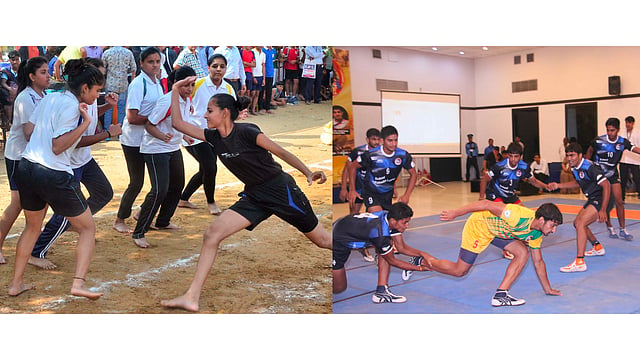
Having originated in the ancient state of Tamil Nadu, Kabaddi is a physically demanding game. With its origins dating back thousands of years, Kabaddi is a game that is played both nationally and internationally now.
This physically and mentally challenging game is one of the favorites in India.
About the Author