
Know What to Wear in Sri Lanka in 2026
Sri Lanka is known for its dynamic culture warm neighborliness, and rich cultural heritage. Conventional clothing in Sri Lanka reflects centuries of social impact from South Asia, colonial history, and neighborhood traditions. Whereas advanced design is common in cities nowadays, conventional outfits still hold a critical place in ceremonies, celebrations, and daily life. If you are arranging to visit Sri Lanka in 2026, understanding the country’s conventional clothing can help you appreciate its social excellence even more.
The Differences of Sri Lankan Conventional Clothing
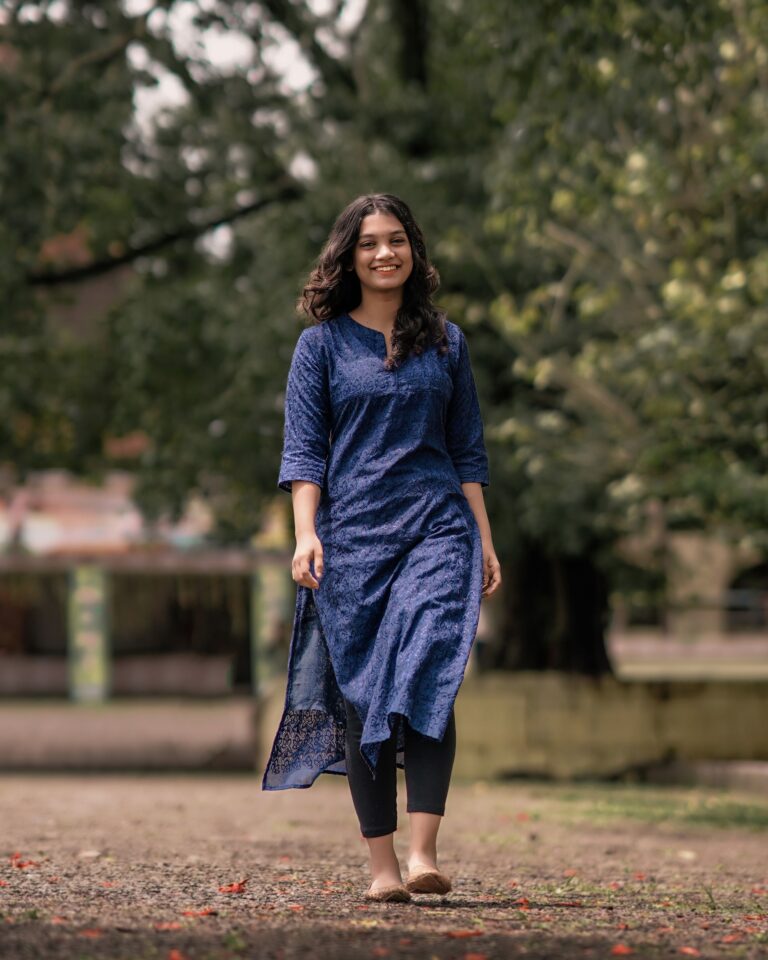
Sri Lanka does not have one single national outfit. In step, the nation grandstands an assortment of conventional styles impacted by diverse districts, religions, and communities. Clothing conventions vary among Sinhalese, Tamil, Muslim, and Burgher communities making a colorful mix of design over the island.
Traditional clothing is frequently chosen according to age, marital status, social status, and the type of event being attended. In spite of modernization, numerous Sri Lankans proudly wear traditional articles of clothing gladly during weddings, religious ceremonies, and happy celebrations.
The Rich Sri Lankan Sari
The sari remains one of the most notorious conventional outfits for ladies in Sri Lanka. Compared to Indian sarees, Sri Lankan saris are smooth pieces of clothing made from long pieces of fabric wrapped flawlessly around the body. They are accessible in different textures, colors, and designs depending on the occasion.
Married ladies and more seasoned ladies commonly wear full saris for formal get-togethers and ordinarily wear them. More youthful young ladies may wear less difficult forms with modern touches. In numerous districts, sari styles shift somewhat, exhibiting neighborhood conventions and interesting hanging methods.
Half Sari for More youthful Women.
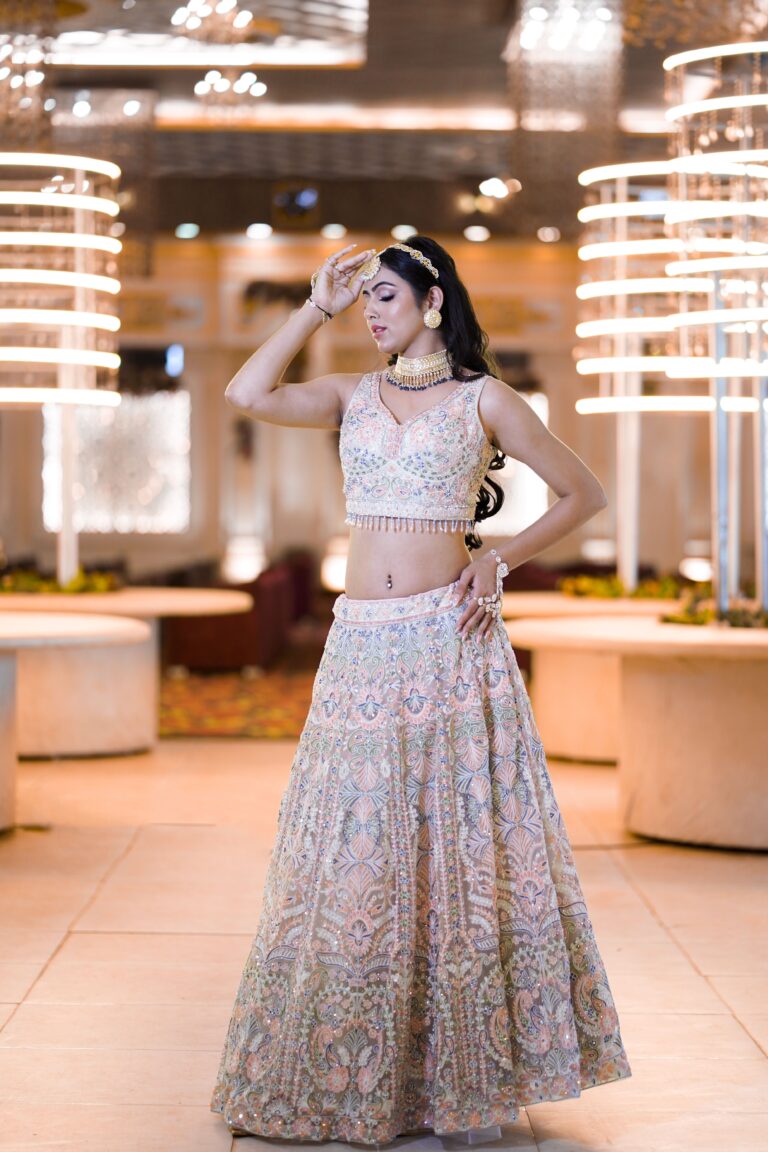
A half sari is another well-known conventional fashion, particularly among high school young ladies. This clothing ordinarily incorporates a skirt, pullover, and a scarf-like cloth hung over one shoulder. The half sari is regularly considered a move; recently, ladies have started wearing full saris regularly.
The plan combines style and consolation while keeping up conventional values. A diverse range of Sri Lanka includes special weaving, textures, and enhancing components in half saris.
Traditional Clothing for Men
Men in Sri Lanka customarily wear sarongs or pants. A sarong is a long piece of cloth wrapped around the midriff and is considered comfortable for Sri Lanka’s tropical climate. Sarongs are commonly worn at domestic, amid social occasions, and sometimes indeed for casual outings.
For formal events, men may match sarongs with conventional shirts or coats. Straightforwardness and consolation are key highlights of men’s conventional design in Sri Lanka.
The Redde and Hatte Combination
The Redde and Hatte equipment is another classic component of Sri Lankan conventional clothing. The “Redde” is a wraparound cloth worn around the abdomen, whereas the “Hatte” is a fitted shirt, frequently made from cloth or cotton.
This clothing is particularly prevalent amid conventional ceremonies and weddings. The furniture is appreciated for its exquisite appearance and comfortable design, making it appropriate for Sri Lanka’s warm weather.
Traditional Mold in Cutting-edge Sri Lanka
In 2026, Sri Lanka proceeds to adjust its convention with current design patterns. Whereas Western clothing is broadly worn in urban zones, conventional articles of clothing are still profoundly regarded and socially noteworthy. Guests can still witness lovely saris, sarongs, and Redde-Hatte outfits amid celebrations, sanctuary visits, and family celebrations, keeping Sri Lanka’s wealthy mold legacy alive.
About the Author