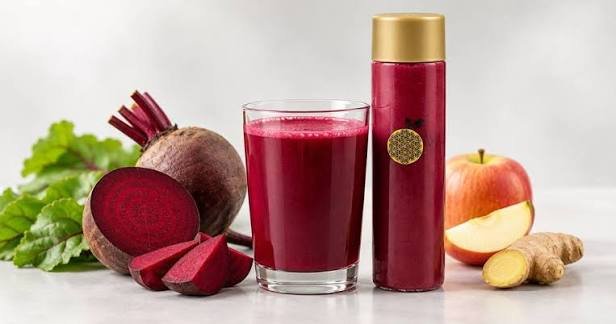

Looking for a refreshing homemade drink with a beautiful natural colour? Beetroot juice is an excellent option to try. Made with fresh beetroot and a few everyday ingredients, this vibrant drink has a naturally earthy flavour and can be customised with lemon, ginger, carrot, apple, or mint.
Beetroot is widely used in Indian kitchens, not just in curries and salads but also in fresh juices and smoothies. Preparing beetroot juice at home is simple, and you do not need an elaborate list of ingredients or special cooking skills.
Personally, I enjoy recipes that let the main ingredient shine while using a little lemon or ginger to balance its flavour. If you find plain beetroot juice too earthy, a few simple additions can make it much more enjoyable.
Also Read: Arishfa Khan Age, Bio, Family, Career, Net Worth in 2026-27
Let’s explore how to prepare a fresh glass of beetroot juice in just a few minutes.
Beetroot Juice Recipe at a Glance
| Preparation detail | Information |
|---|---|
| Preparation time | 10 minutes |
| Cooking time | None |
| Total time | 10 minutes |
| Servings | 2 glasses |
| Difficulty | Easy |
| Cuisine | Indian |
| Best served | Fresh and chilled |
Ingredients for Homemade Beetroot Juice
Here are the ingredients required to prepare approximately two servings.
- 2 medium-sized fresh beetroots
- ½ lemon
- 1 small piece of fresh ginger (optional)
- ½ to 1 cup cold water
- 4 to 5 mint leaves (optional)
- A pinch of black salt (optional)
- Ice cubes (optional)
Choosing the right beetroot: Select firm, fresh beetroot with smooth skin and a deep reddish-purple colour. Smaller or medium-sized beetroots are often convenient to prepare and blend.
How to Make Beetroot Juice at Home
You can prepare beetroot juice using either a blender or a juicer. Both methods are easy and produce a refreshing drink.
Method 1: Beetroot Juice Using a Blender
Step 1: Wash the Beetroot
Wash the beetroot thoroughly under running water to remove dirt and impurities.
Step 2: Peel and Chop
Remove the outer skin using a vegetable peeler. Cut the beetroot into small cubes so that it blends easily.
Step 3: Add Ingredients to the Blender
Transfer the chopped beetroot into a blender jar. Add half a cup of cold water and ginger if you enjoy a slightly spicy flavour.
Step 4: Blend Until Smooth
Blend for approximately 30 to 60 seconds, or until the mixture becomes smooth. Add more water if the consistency is too thick.
Step 5: Strain the Juice
Pour the mixture through a fine sieve or clean muslin cloth if you prefer a smoother drink. You can skip this step if you want to retain more of the fibre.
Step 6: Add Lemon Juice
Squeeze half a lemon into the juice. Add a pinch of black salt if desired and stir well.
Step 7: Serve Fresh
Pour into glasses, add ice cubes if preferred, and garnish with mint leaves.
Method 2: Beetroot Juice Using a Juicer
If you own a juicer, preparing beetroot juice becomes even easier.
- Wash and peel the beetroot.
- Cut it into pieces that fit into your juicer.
- Feed the pieces into the juicer gradually.
- Collect the extracted juice in a clean container.
- Add freshly squeezed lemon juice and stir.
- Serve immediately with ice cubes if desired.
You can also add a small piece of ginger while extracting the juice for extra flavour.
Tips for Making the Perfect Beetroot Juice
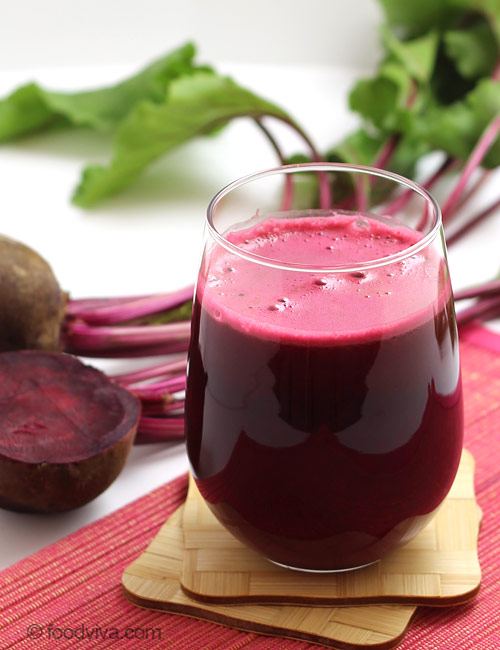
A few simple tricks can improve the flavour and consistency of your homemade juice.
- Use fresh beetroot: Fresh, firm beetroot generally gives a better flavour.
- Balance the earthy taste: Add lemon, apple, or orange if you find plain beetroot juice too strong.
- Do not add too much water: Start with a small quantity and adjust gradually.
- Keep it chilled: Use cold water or refrigerate the beetroot before preparing the juice.
- Avoid unnecessary sweeteners: Beetroot has a natural sweetness, so taste the juice before adding sugar or honey.
- Retain the pulp if possible: If using a blender, leaving the pulp in provides more dietary fibre.
- Serve immediately: Freshly prepared beetroot juice generally has the best flavour and texture.
Delicious Beetroot Juice Variations to Try
Plain beetroot juice is a good starting point, but you can experiment with other fruits and vegetables to create different flavour combinations.
1. Beetroot Carrot Juice
This combination balances the earthy flavour of beetroot with the natural sweetness of carrots.
Additional ingredients:
- 1 medium-sized carrot
- ½ cup water
Blend the carrot with beetroot and water. Strain if desired and add lemon juice before serving.
2. Beetroot Apple Juice
Apple adds natural sweetness and makes beetroot juice taste fruitier.
Additional ingredients:
- 1 small apple
- ½ cup cold water
Remove the apple seeds, chop the fruit, and blend it with beetroot. You can skip additional sugar because the apple provides natural sweetness.
3. Beetroot Lemon Ginger Juice
If you prefer a refreshing drink with a little sharpness, try this combination.
Add an extra squeeze of lemon and a small piece of ginger to the basic recipe. Blend everything together and serve chilled.
4. Beetroot Orange Juice
Orange gives beetroot juice a citrusy flavour and natural sweetness.
Replace some of the water with freshly squeezed orange juice. Blend with beetroot and strain if necessary.
5. Beetroot Cucumber Juice
For a lighter vegetable-based drink, add half a cucumber to the original recipe.
Cucumber adds freshness and creates a milder flavour. A little mint and lemon make this combination even more refreshing.
6. Beetroot Pineapple Juice
Pineapple adds a sweet and tangy flavour that works beautifully with beetroot.
Add half a cup of chopped pineapple to the blender along with beetroot and water. Blend until smooth and serve chilled.
Nutritional Value of Beetroot Juice
Beetroot contains several nutrients, including folate, potassium, and naturally occurring nitrates. It also contains betalains, the plant pigments responsible for its distinctive colour.
Here is an approximate nutritional breakdown for 200 ml of plain beetroot juice without added sugar:
| Nutrient | Approximate amount |
|---|---|
| Calories | 70–90 kcal |
| Carbohydrates | 15–20 g |
| Protein | 2–3 g |
| Fat | Less than 1 g |
| Fibre | Varies with straining |
These values are estimates and depend on the amount of beetroot used and the juicing method. Straining removes much of the pulp and reduces the fibre content.
What Are the Nutritional Benefits of Beetroot?
1. Contains Natural Nitrates: Beetroot contains dietary nitrates, which the body converts into nitric oxide. Nitric oxide plays a role in regulating blood vessel function and circulation.
2. Provides Folate: Folate supports normal cell division and red blood cell formation.
3. Contains Antioxidant Pigments: Betalains give beetroot its deep colour and have been studied for their antioxidant properties.
4. Provides Potassium: Potassium is an essential mineral involved in normal muscle function and fluid balance.
Beetroot juice can contribute useful nutrients to a balanced diet, but it should not be considered a treatment for any medical condition.
When Is the Best Time to Drink Beetroot Juice?
You can enjoy beetroot juice at different times of the day. There is no universal requirement to drink it on an empty stomach or at a particular hour.
Here are a few practical suggestions:
- In the morning: Enjoy a small glass alongside a balanced breakfast.
- Before exercise: Some people consume beetroot juice before physical activity because of its dietary nitrate content. The effects and ideal timing vary.
- In the afternoon: A chilled glass can be a refreshing alternative to sugary packaged beverages.
- Alongside meals: Pair it with a balanced meal rather than using it as a meal replacement.
If you are new to beetroot juice, begin with a small serving and observe how your body responds.
How to Store Homemade Beetroot Juice
Freshly prepared beetroot juice is best consumed immediately. However, if you need to store it, follow these precautions:
- Transfer the juice into a clean, airtight container.
- Refrigerate it promptly at 4°C or below.
- Prefer consuming it within 24 hours.
- Stir or shake before serving because natural separation may occur.
- Discard it if you notice an unusual smell, taste, or appearance.
Avoid leaving fresh juice at room temperature for extended periods.
Frequently Asked Questions
1. Can I drink beetroot juice every day?
Many people can include moderate portions of beetroot juice in a balanced diet. However, individual dietary requirements differ. People with kidney stone concerns, low blood pressure, or specific medical conditions should seek personalised medical advice.
2. Should I boil beetroot before making juice?
No. You can use properly washed raw beetroot for this recipe. Boiling is not necessary, although cooked beetroot can be used if you prefer a milder flavour.
3. Can I make beetroot juice without a juicer?
Yes. A regular blender works well. Blend chopped beetroot with water and strain the mixture if you prefer a smoother consistency.
4. Does beetroot juice help lower blood pressure?
Dietary nitrates in beetroot may help support blood vessel function and can have a modest blood-pressure-lowering effect in some people. However, beetroot juice is not a substitute for prescribed blood pressure medication or medical treatment.
5. Why does my beetroot juice taste earthy?
Beetroot naturally has an earthy flavour. Adding lemon, ginger, apple, orange, or carrot can help balance it and make the juice more pleasant.
6. Can I add sugar to beetroot juice?
Yes, but it is generally unnecessary because beetroot already contains natural sugars. Try adding apple or orange if you want a sweeter flavour.
7. Why does my urine sometimes turn pink or red after drinking beetroot juice?
Some people experience temporary reddish or pinkish urine after consuming beetroot. This is known as beeturia. However, persistent or unexplained blood-like discolouration should be evaluated by a healthcare professional.
8. Is beetroot juice better than eating whole beetroot?
Both have nutritional value. Whole beetroot generally provides more fibre because the pulp remains intact. Juicing makes it easier to consume beetroot in liquid form, but straining removes much of its fibre.
Also Read: Top 40 Tamil Nadu Food Recipes in 2026
Conclusion
Beetroot juice is a colourful, refreshing homemade drink that requires only a handful of ingredients and a few minutes of preparation. Whether you enjoy it plain or combine it with carrot, apple, ginger, lemon, or orange, there are plenty of ways to adjust the flavour to your liking.
My recommendation is to start with the basic beetroot and lemon combination. Once you get comfortable with its earthy taste, experiment with different fruits and vegetables to discover your favourite version.
A little preparation is all it takes to turn fresh beetroot into a delicious addition to your everyday menu.
About the Author