
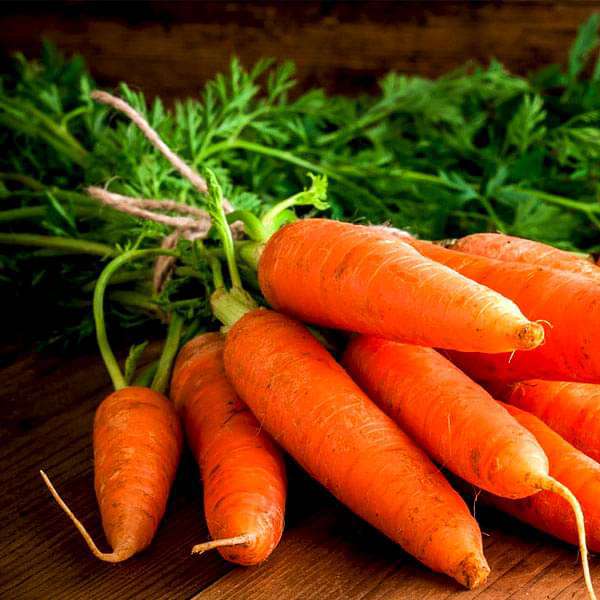
Carrot is a very popular root vegetable which we see at the table very often and we value it for its color which is very bright and for its mild sweet taste and nutrition. They are especially high in beta-carotene, which the body converts into vitamin A. Also, they provide dietary fibre, potassium, and other healthy plant compounds which in turn make them a great addition to a balanced diet.
Overview of Carrots
Carrots, which are of the scientific name Daucus carota, are root vegetables that come in a few colours but which are also mostly known to be orange. Their colour, which is a trademark, comes from carotenoids, which include beta-carotene.
Beta-carotene acts as a provitamin A carotenoid, which means the body puts it to use for vitamin A. Vitamin A is important for normal vision, immune function and also plays a role in many other basic processes.
Carrots may be eaten raw, steamed, roasted, boiled or used in soups, salads and other dishes. What is also that they have some of their carotenoids made more available for absorption, which happens when they are prepared and served with a little bit of fat.
Top 10 Health Benefits of Carrots
Supports Vision Health.
Carrots are also to credit with large deposits of beta-carotene. The vitamin A that is very important for good vision is produced by the body from beta-carotene.
Provides free radical fighters.
Carrot intake is a source of carotenoids and other plant chemicals which in turn have antioxidant properties. These compounds play a role in the body’s defence against oxidative stress.
Support your digestive health.
Carrot intake provides fibre, which in turn promotes regularity of bowel movements and normal digestive health. Also, fibre from carrots adds to the volume of the diet and may cause a sensation of fullness.
Supports the immune system.
Vitamin A plays a key role in the health of the immune system. Also from carrots, which contain beta-carotene, a precursor of Vitamin A, which in turn supports the body’s vitamin A levels. Thus carrots may be included in a health diet which in turn supports normal immune health.
May improve heart health.
Carrots supply fibre, potassium and antioxidant compounds. As part of a diet which includes a wide variety of vegetables and other whole foods, they can play a role in a heart-healthy eating plan.
May assist in weight management.
Carrots are low in calories but high in fibre and water. They also may serve as a filling addition to your meals and snacks.
Support for skin health.
Vitamin A plays a role in the health of our skin and tissues. Carrots contain carotenoids, which in turn add to your vitamin A intake, as well as their antioxidant components, which in turn add to the nutritional value.
Provides Basic Nutrients.
In terms of beta-carotene, which is true of all carrots, they also provide fibre and potassium and lower levels of other vitamins and minerals. They are an easy way to put variety into your meals.
Supports Healthy Blood Sugar Levels.
Whole carrots are a great source of fibre and also have a low carb content per serving. They do well in balanced meals, which in turn is better than a diet heavy in processed or sugary foods.
Includes a Variety of Foods in Your Diet.
Carrot usage is very flexible in terms of meals. You can eat them raw, cook them, and put them in soups, salads, curries and other dishes, which means they are a very convenient option for everyday eating.
Importance of Carrots
Carrots are a great choice, which is a result of their many health benefits and uses. They have high levels of beta-carotene, which in turn gives them their provitamin A value; also, they are a good source of fibre and other plant-based compounds, which in total create a well-rounded diet. Also, different carrot types may have different carotenoid make-up and colours.
Key Facts About Carrots
Scientific name: Daucus carota
Food type: Root vegetable
Major nutrient: Beta-carotene/provitamin A
Other Nutrients: Fibre, potassium and other trace elements.
Common colour: Orange
Common uses: Include in soups, salads, juice.
Possible Side Effects of Carrots
Carrot consumption is a healthy option for the general population when included as a part of a regular diet. In some reports, however, we see that over time, very large amounts of carrots may cause carotenemia, a harmless condition that causes the skin to take on a yellow-orange colour from the overabundance of carotenoids. Also, people with a carrot allergy should stay away from them, as they may have an allergic reaction which, if serious, may require care from a health professional.
Carrot juice actually has less fibre than whole carrots, which is why it is best to eat whole or at most lightly processed carrots when you are trying to increase your fibre intake.
Conclusion
Carrots are a healthful and varied vegetable which puts to table the fact that they contain beta carotene, fibre, potassium and antioxidants. Their beta-carotene content in particular is of note as it is converted into vitamin A, which in turn supports proper vision and immune health.
Include carrots as part of a diverse diet that also features a wide range of veggies, fruits, whole grains, proteins and healthy fats, which in turn supports a healthy, balanced diet.
FAQs on Health Benefits of Carrots
Are carrots good for the eyes?
Yes. Carrot intake is a great source of beta-carotene, which the body in turn converts into vitamin A, which is important for normal vision.
Can carrots help with digestion?
Yes. Their dietary fibre supports regular bowel movements and normal digestive health.
Are carrots suitable for weight management?
They do. Whole carrots are low in calories and also contain fibre, which may aid in fullness.
Do carrots benefit more from being eaten raw or cooked?
Both can be very healthful. In cooking, some carotenoids’ availability is increased; in raw carrots, you preserve natural texture and fibre.
Do carotene side effects result from overconsumption of carrots?
Very large and extended exposure can cause carotenemia, which in turn may produce a yellow-orange colour of the skin. This is usually harmless and goes away upon reduction of carotenoid-rich foods.
About the Author