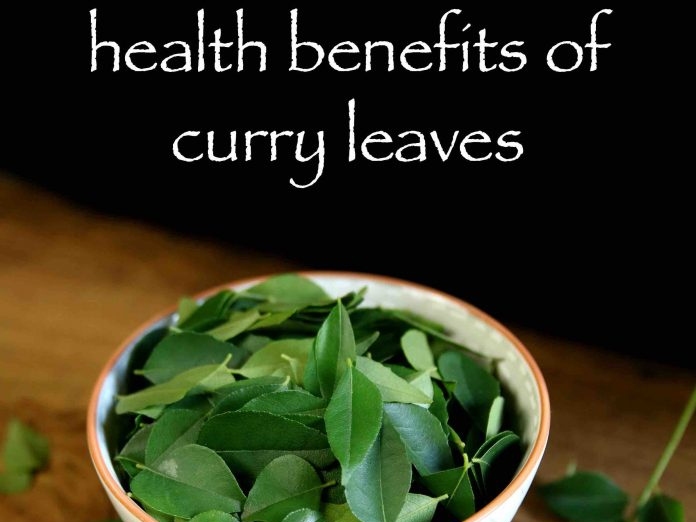

Curry leaves are a common ingredient that, although very familiar in Indian kitchens, goes largely unnoticed. From the sound they make and the smell that is produced when put in hot oil to the taste they add to dal, poha, chutney, and curries, they are very much a part of day-to-day Indian cooking. I grew up around homemade meals which saw the use of curry leaves mostly for their flavor as opposed to their health benefits. But what is little known is that they, in fact, have high nutritional value and also are used in traditional medicine, which in 2026 will get people to pay more attention to them
A Little Leaf that is Very Nutritious
Scientifically named Murraya koenigii, curry leaves are from the Indian subcontinent, which in turn are very much a part of South Asian cuisine. They have in them plant compounds that are high in antioxidants, as well as vitamins A, C, and E, and minerals like iron and calcium.
Their antioxidants play a role in protecting cells from oxidative stress, which is in fact what has put curry leaves in the spotlight beyond use in the kitchen. While it may be easy to think of them as a health remedy which will do it all, it’s better to see them as part of a whole, varied and healthy diet.
Supporting Digestion and Metabolism
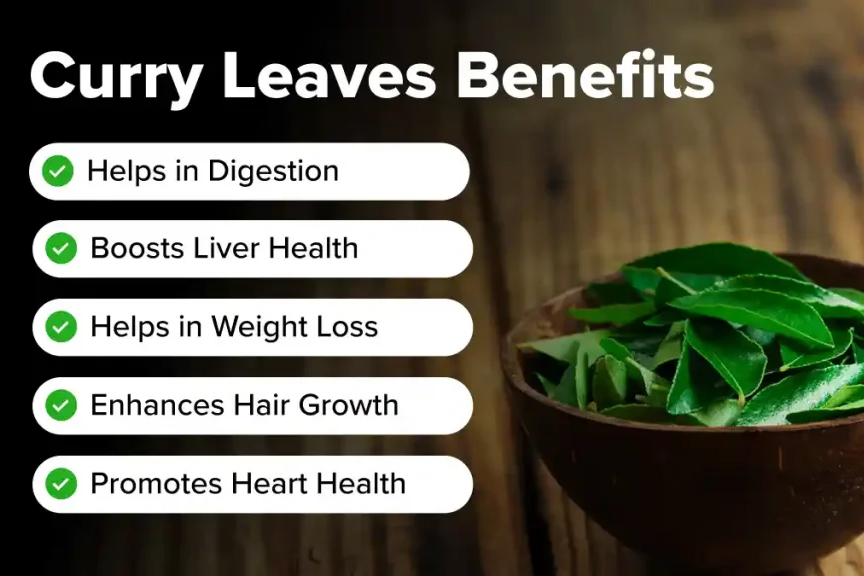
Curry leaves have been used for generations to support digestive health. Also, they are a source of dietary fiber and many plant compounds, which in turn support normal digestion. To include a bit of flavor and at the same time increase the amount of plant-based nutrients on your plate, include fresh curry leaves in your meals.
Research reports also look at the role of curry leaves in blood glucose regulation. Some studies report which components in the leaves may in fact change how glucose is processed. At the same time, it is important to note that curry leaves are not a substitute for prescribed diabetes treatment or a balanced diet.
Benefits for Hair and Skin
Curry leaves’ most common use is in hair care. They go into a great deal of homemade hair oils and masks, which is a large part of their appeal. While it is a widely held belief that curry leaves improve the health of your hair and may also help to reduce premature greying, which many associate with a better health of the hair, scientific evidence that supports these claims in human studies is still very much in its infancy.
Their antioxidant contents also play a role in healthy skin, which is one aspect of a well-rounded diet. This is an example of how traditional practices may be of interest, which at the same time require to be supported by scientific research.
Heart, Liver and Immune Health
Curry leaves’ antioxidant and anti-inflammatory elements have been looked at for what they may do for heart and liver health. Initial studies report that compounds in curry leaves may play a role in cholesterol management, oxidative stress, and other metabolic issues. That said, most of the data we have is from lab or animal studies, which means that these results may not apply to what we see in human health.
Also, in what is presented by curry leaves’ vitamins and plant compounds to improve normal immune function, we do not see which infections a person is immune to.
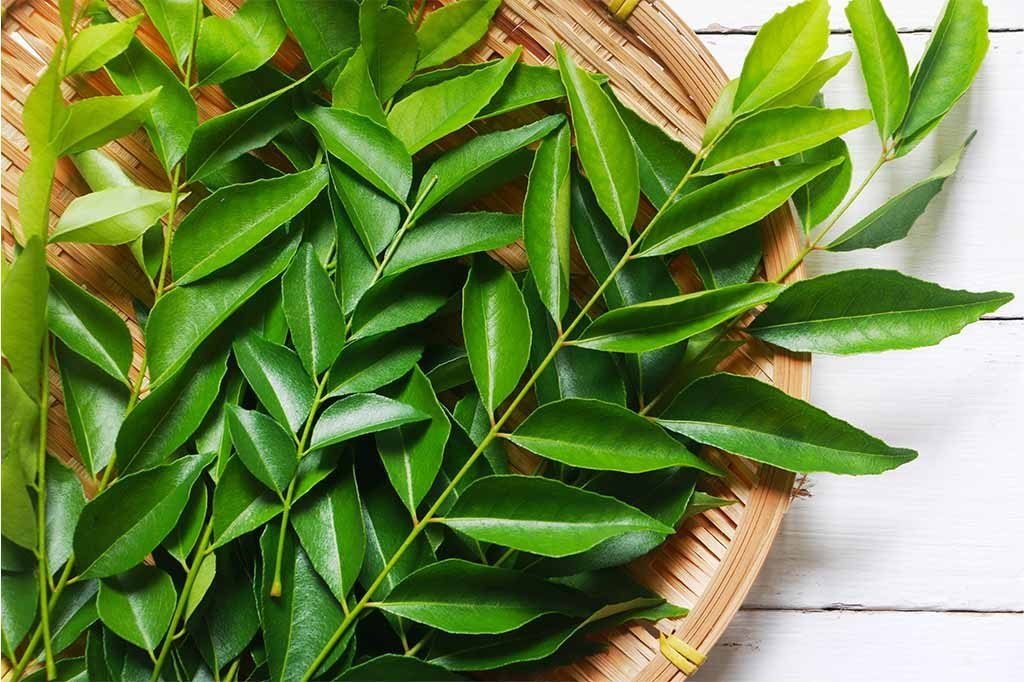
How to Use Curry Leaves in Your Daily Cooking
Just add them to your meals. Fresh curry leaves go into dal, sambar, vegetable dishes, chutneys, rice and curries. An easy tempering of curry leaves, mustard seeds, and what else is required can improve any average meal without putting in a lot of preparation.
Final Thoughts
Curry leaves may be little in size, but they play a large role in Indian cuisine. They are a healthful addition to a balanced diet with their antioxidant and nutrient content and traditional uses. In 2026, as people turn to easy and natural means to better their daily diet, curry leaves present a heritage solution which doesn’t require expensive supplements or complex recipes.
The issue at hand is that of balance and perspective. Curry leaves do enhance a healthy lifestyle, but do not put forth a cure for medical issues. Also, we may improve our health by the use of very basic elements that have been right in our kitchen all the time.
About the Author