
Know About the Best Forts of Rajasthan and the Golden Triangle in 2026
A Traveller’s Guide to India’s Most Powerful Stone Stories
If you’re planning a trip through India’s Golden Triangle and Rajasthan in 2026, here’s something worth knowing before you pack your bags: the forts, not the palaces or the markets, are what will stay with you longest. Eleven fortresses across Delhi, Agra, and Rajasthan hold centuries of Rajput and Mughal history, and together they form the backbone of any serious itinerary through this region.
Start in Delhi.
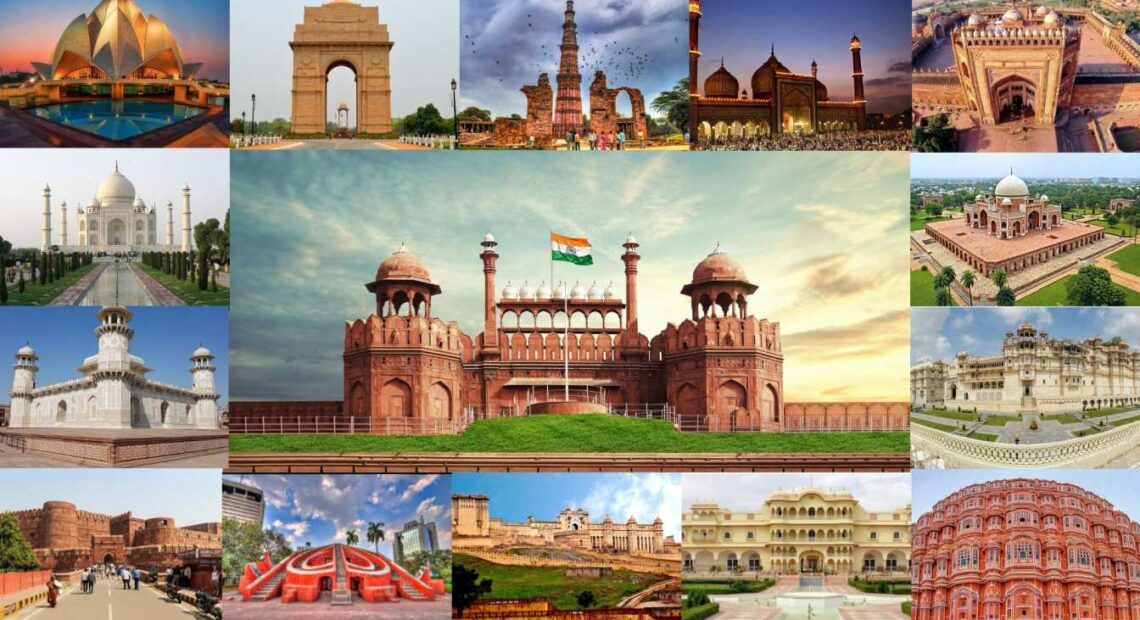
The Red Fort is the obvious must-see, its red sandstone walls rising 33 meters at their tallest, built in the mid-1600s when Shah Jahan shifted his capital here. Arrive early, since the crowds build fast. Less visited but just as compelling is Purana Qila, continuously inhabited for 2,500 years and holding the ruins where Emperor Humayun famously fell to his death. For something offbeat, Feroz Shah Kotla draws locals at dusk who believe the ruins are home to supernatural djinns.
Agra naturally comes next, and while the Taj Mahal steals headlines, Agra Fort deserves equal attention. Its red sandstone exterior gives way to delicate white marble interiors, with river views stretching toward the Taj itself.
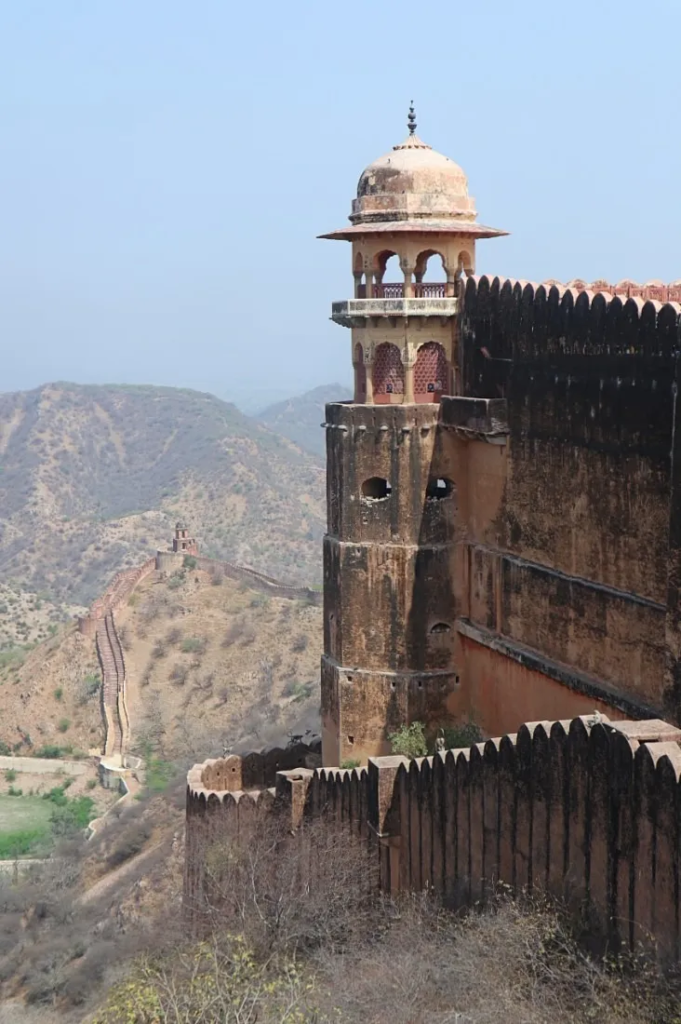
From there, Rajasthan takes over, and this is where the forts become genuinely jaw-dropping. Jaipur alone offers three: Amer Fort, the famous pink-and-yellow palace complex (skip the elephant rides, the animals aren’t treated well); Jaigarh, overlooking Amer with the world’s largest wheeled cannon and arguably better views; and Nahargarh, best saved for sunset when its rampart walk turns gold.
Further afield, Chittorgarh stands as India’s largest fort, sprawling across 700 acres with a history of sieges and sacrifice that still echoes through its Tower of Victory. Kumbhalgarh isn’t far behind, its wall stretching 22 miles, the second-longest fortified wall on Earth after the Great Wall of China.
Jodhpur’s Mehrangarh looms over the blue city below, a fortress Rudyard Kipling once called “the work of giants.” And Jaisalmer Fort remains the rarest of them all in 2026: a living fort where thousands of families still reside, running guesthouses and shops within its golden walls.
Planning the route: Delhi → Agra → Jaipur → Udaipur (with day trips to Chittorgarh and Kumbhalgarh) → Jodhpur → Jaisalmer works well, with trains covering most legs and a private driver recommended for the Udaipur-to-Jodhpur stretch.
A few practical notes for 2026 travellers: dress modestly at every site, visit popular forts like the Red Fort and Amer early to beat the crowds, and politely decline any unofficial guide offering a “special tour” unless you’re happy to tip. Pack comfortable shoes, these forts are vast, and the best way to experience them is on foot, walking the same walls that once held back empires.
About the Author