
Methi: The Bitter Little Seed That Punches Above Its Weight
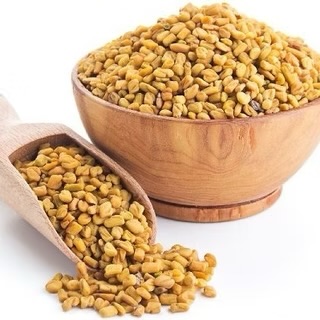
Walk into pretty much any Indian kitchen and you’ll spot methi tucked away somewhere — maybe as dried seeds in a spice box, maybe as fresh green leaves waiting to go into a paratha. Known in English as fenugreek, this small, slightly bitter seed has been a kitchen and medicine cabinet staple for centuries, long before anyone ran a clinical study on it. Turns out, a lot of what grandmothers have sworn by for generations checks out scientifically, too.
Where It All Started
Fenugreek’s story begins in the Mediterranean and parts of Western Asia, where this legume thrived in warm, dry climates. From there, it spread into Indian, Middle Eastern, and North African cooking, earning a permanent spot thanks to its distinctive nutty, bittersweet flavor. But methi was never just about taste — traditional medicine has leaned on it for digestive problems, blood sugar issues, and helping new mothers produce more breast milk. And nutritionally, it’s genuinely impressive, packing in fiber, protein, iron, magnesium, and a good mix of B vitamins and vitamin C.
What It’s Actually Good For
Keeps your gut happy. Methi seeds are rich in soluble fiber, which helps things move smoothly through your digestive system and eases constipation. Beyond that, the seeds seem to have a calming effect on the stomach lining, which is why people often reach for methi water when dealing with heartburn or general indigestion.
Genuinely helps with blood sugar. This is where methi has the strongest research behind it. The fiber slows down carb absorption, and some compounds in the seeds appear to make your body more responsive to insulin. For anyone managing diabetes, adding methi into meals is a small, low-effort change that seems to actually move the needle on blood sugar control.
Your heart gets some love, too. Studies suggest methi can help lower LDL cholesterol — the kind you don’t want too much of — partly by reducing how much fat your gut absorbs. Its antioxidants also protect blood vessels from oxidative stress, which adds up to better blood pressure and a lower long-term risk of heart problems.
Makes weight management a little easier. Since the fiber keeps you feeling full for longer, methi naturally cuts down on overeating. There’s also some evidence that it gives metabolism a gentle nudge, likely connected to how it affects blood sugar and insulin levels.
A go-to for breastfeeding mothers. Methi is a source of phytoestrogens or plant chemicals that may help stimulate milk production. It is one of the oldest and most popular uses of methi among South Asian families, where new mothers are made to eat methi-based dishes right after giving birth.
Reduces inflammation and pain in the joints. Flavonoids and alkaloids present in methi are said to act by obstructing the pathway for inflammation, which is why methi is often recommended in cases of arthritis and overall stiffness of the joints. Using methi regularly may improve the condition gradually.
Good for your skin. Between its antioxidants and vitamins, methi helps protect skin cells and calm irritation or acne. Applied as a paste, its natural mucilage even adds a hydrating effect, leaving skin feeling softer.
A hair care classic for a reason. If you’ve ever seen fenugreek hair masks recommended online, there’s real substance behind it. The protein and nicotinic acid in methi nourish the scalp, and its mild antifungal properties help keep dandruff under control.
Supports your immune system. A combination of minerals, antioxidants, and antimicrobial substances present in methi urine works as a support for the immune system. Methi iron content makes it an aid in the formation of healthy blood cells.
Methi Overview
Scientific name: Trigonella foenum-graecum
Other names: Fenugreek
Classification: Annual herb of the legume family
Uses: Culinary, medicinal, animal feeding
Place of origin: South Asia and Mediterranean regions
Main nutrients: Fiber, protein, irons, magnesium
Flavor: Bitter, nutty, mildly sweet
How it can be applied: The product can be in form of seeds, dried or fresh leaves.
Some Interesting Facts to Know about Methi
While methi spice is safe for people if used in small quantities for cooking, a bigger dosage can be harmful. Stomach upset, bloating, and diarrhea are the most common complaints if you overdo it. Some people also notice their sweat or urine smells a bit different after eating methi regularly — harmless, just a little surprising if you’re not expecting it. Because it can lower blood sugar, anyone on diabetes medication should keep a close eye on their levels to avoid going too low, and the same goes for people on blood thinners, since methi may increase bleeding risk. Pregnant women in particular should be cautious with large amounts, as it’s been linked to uterine contractions. When in doubt, a quick chat with your doctor is always the safer bet.
About the Author