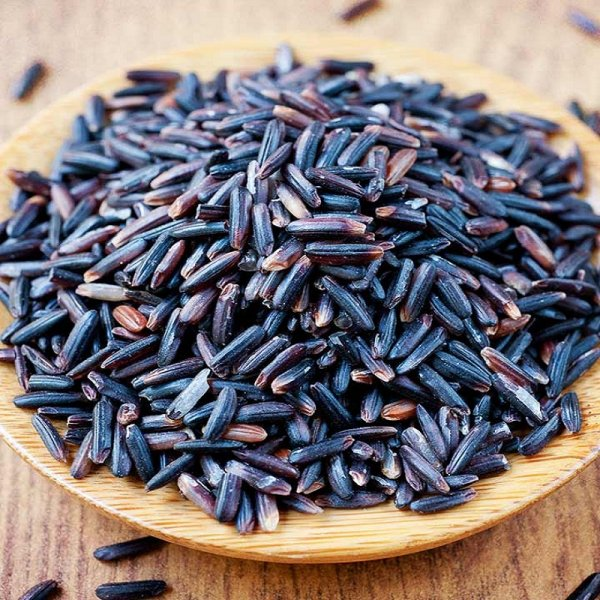

Black rice, also known as “forbidden rice,” has seen great growth in 2026 among health-conscious people. What sets black rice apart from white rice is its dark color, which is a result of anthocyanins, the same group of plant pigments present in blueberries and purple grapes. For years, black rice was a specialty in certain Asian regions. Presently, it is a food of choice because of its nutritional value, unique taste, and health benefits.
Black Rice Benefit
In black rice, one of the key benefits is its high antioxidant content. Anthocyanin and other antioxidant compounds in it play a role in protecting cells from oxidative stress, which is a result of free radical action. Over time, this oxidative stress may cause cell damage. By including a variety of colorful plant foods like black rice in a balanced diet, you also increase your intake of natural protective compounds.
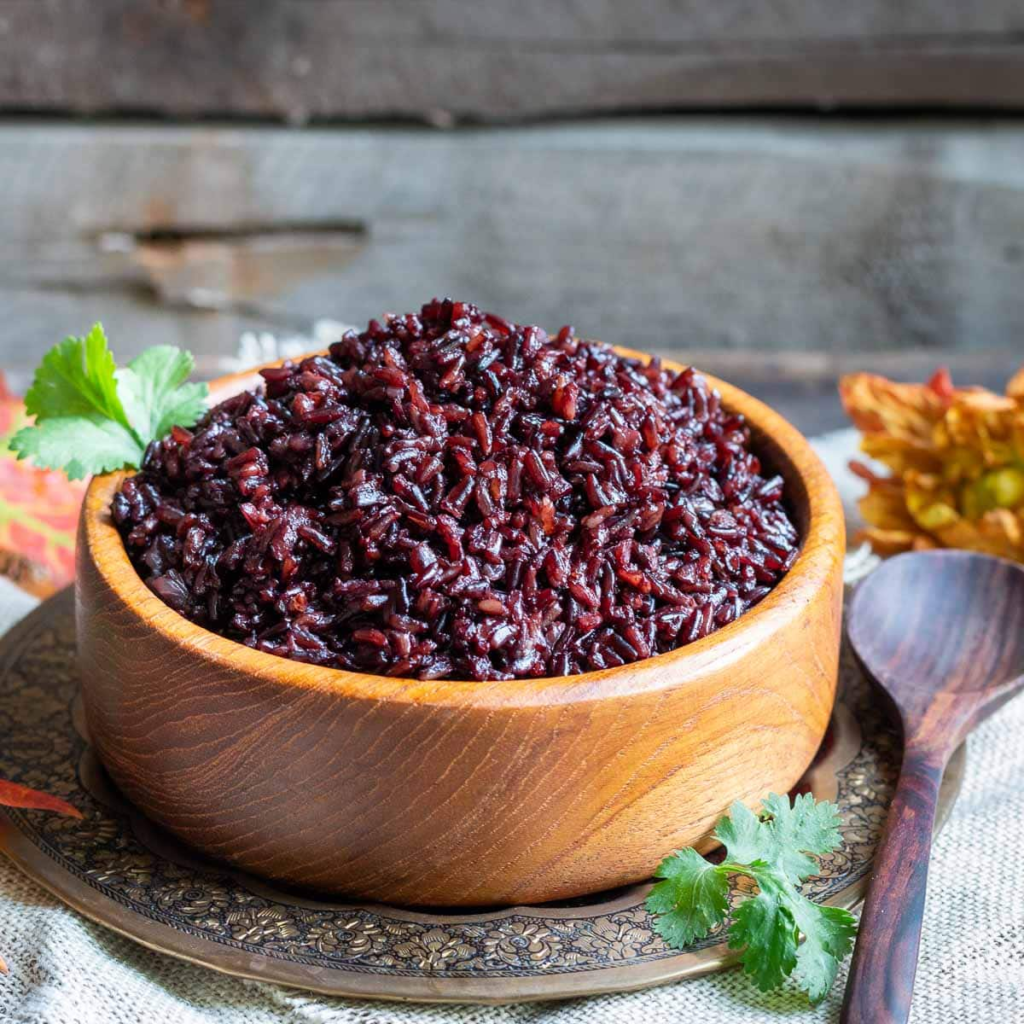
Black rice is also good for heart health. It has dietary fibre and a variety of plant compounds which are a part of a heart-friendly eating plan. Fibre is key in that it supports healthy digestion and also plays a role in maintaining healthy cholesterol levels when included in a total balanced diet. Also try replacing highly refined grains with more whole grain options, which in turn will improve the nutritional value of your meals.
Another black rice benefit is that it is high in fiber. Dietary fiber plays a role in that it helps food move through the digestive system and also supports regular bowel movements. Also, it can help you feel full after you eat. Because of that, black rice is a good option for those trying to put together full meals while also trying to maintain a balanced calorie intake. That said, just including black rice in your diet isn’t a sure-fire way to lose weight; also in play are the overall diet, physical activity, sleep, and lifestyle.
Black rice is a great option for those who are trying to better manage their blood sugar. In comparison to very refined products, we see that less processed whole grains have the advantage of more fiber and nutrients. Fiber slows the digestive process and the release of glucose into the blood. Also, it is true that the health benefit of any food is based in large part on serving size, preparation method, and what it is paired with. What we do see is that people with diabetes or other blood sugar issues should look at what their individual dietary needs are instead of thinking of black rice as a “free” food item.
Black rice has a wide range of nutrients that go beyond the antioxidants and fiber it has to offer. It gives you carbs for energy and also has a little bit of protein, minerals, vitamins, and other plant compounds. The nutritional makeup of black rice may vary by the type of rice and how it is processed. We can include black rice in a healthy diet by choosing the minimally processed kind and preparing it with veggies, pulses, lean protein, or other healthy foods.
Conclusion
Black rice also plays a role in a healthy digestive system, which is due to its fibre. Fiber is a food source for some good microorganisms in the gut. Also, a wide variety of whole grains, vegetables, fruits, legumes, nuts, and seeds is, in general, more beneficial for gut health than putting all your eggs in one basket with one particular food.
Black rice does have a lot of health benefits, but it shouldn’t be looked at as a cure-all. You don’t have to eat it in great quantities to see health results, and it doesn’t, in fact, treat or prevent disease. Also if you have a certain medical issue, food allergy, or diet-related condition, it is best to check in with a health care expert before you make big changes to what you put in your body.
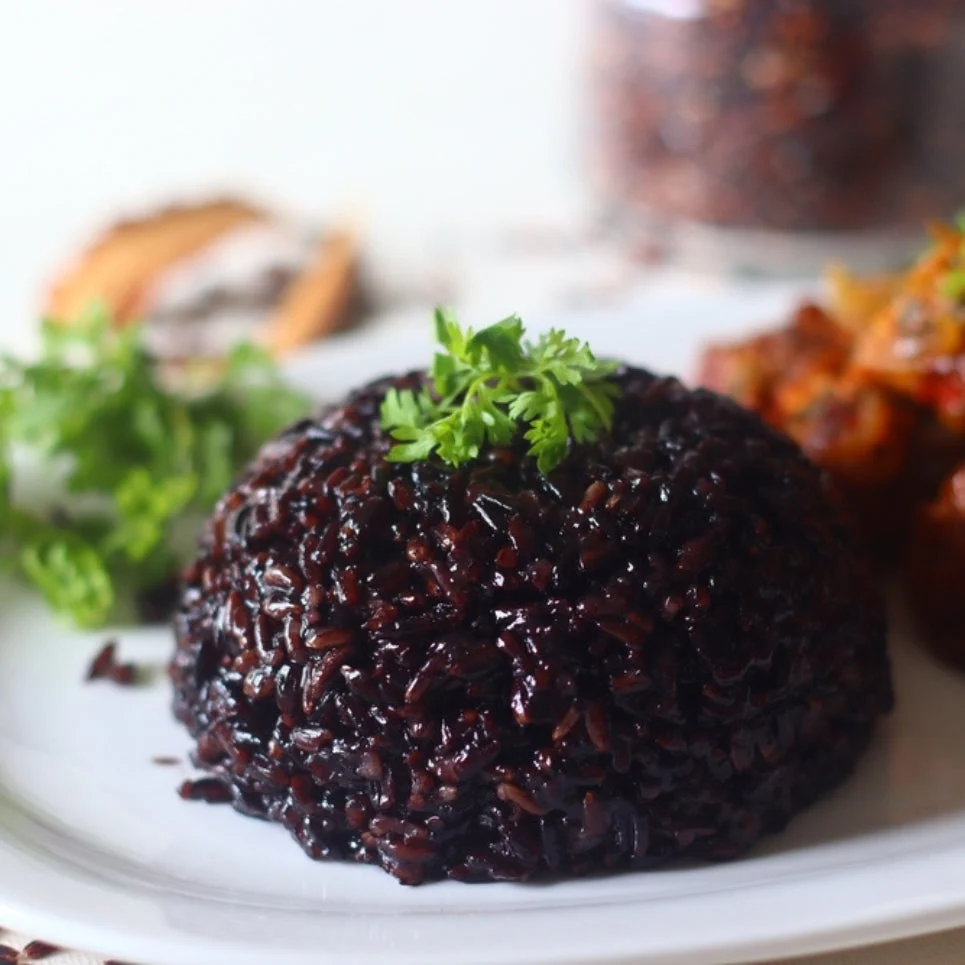
In 2026, black rice is also drawing attention for its versatility. It is used in traditional rice dishes, salads, bowls, porridges, and even desserts. It has a slight nutty flavor and chewy texture, which sets it apart from white rice. We recommend checking the instructions that come with the particular variety, as cooking times may vary.
In total, black rice is a whole grain that also brings variety to healthful diets. Its dark color is a result of anthocyanins, which also play a role in its high fiber and other nutrient content, which in turn makes it a great alternative to very refined grains. It may also play a role in antioxidant protection, digestive health, heart-friendly diets, and in improving overall diet quality. As health interest in traditional nutritious foods continues to rise, in 2026 black rice does well as an easy and flexible ingredient that one should include in a balanced lifestyle.
About the Author